The Ante-Nicene Church · AD 180–313 · External witness
Zenobia of Palmyra
captured 272; d. c. 274+ · Queen of Palmyra · Protector of Paul of Samosata · Palmyra → Rome
External witness

Who Zenobia of Palmyra was
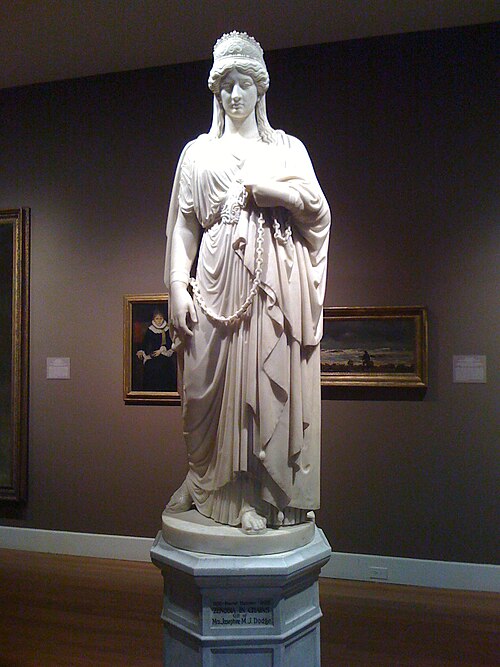
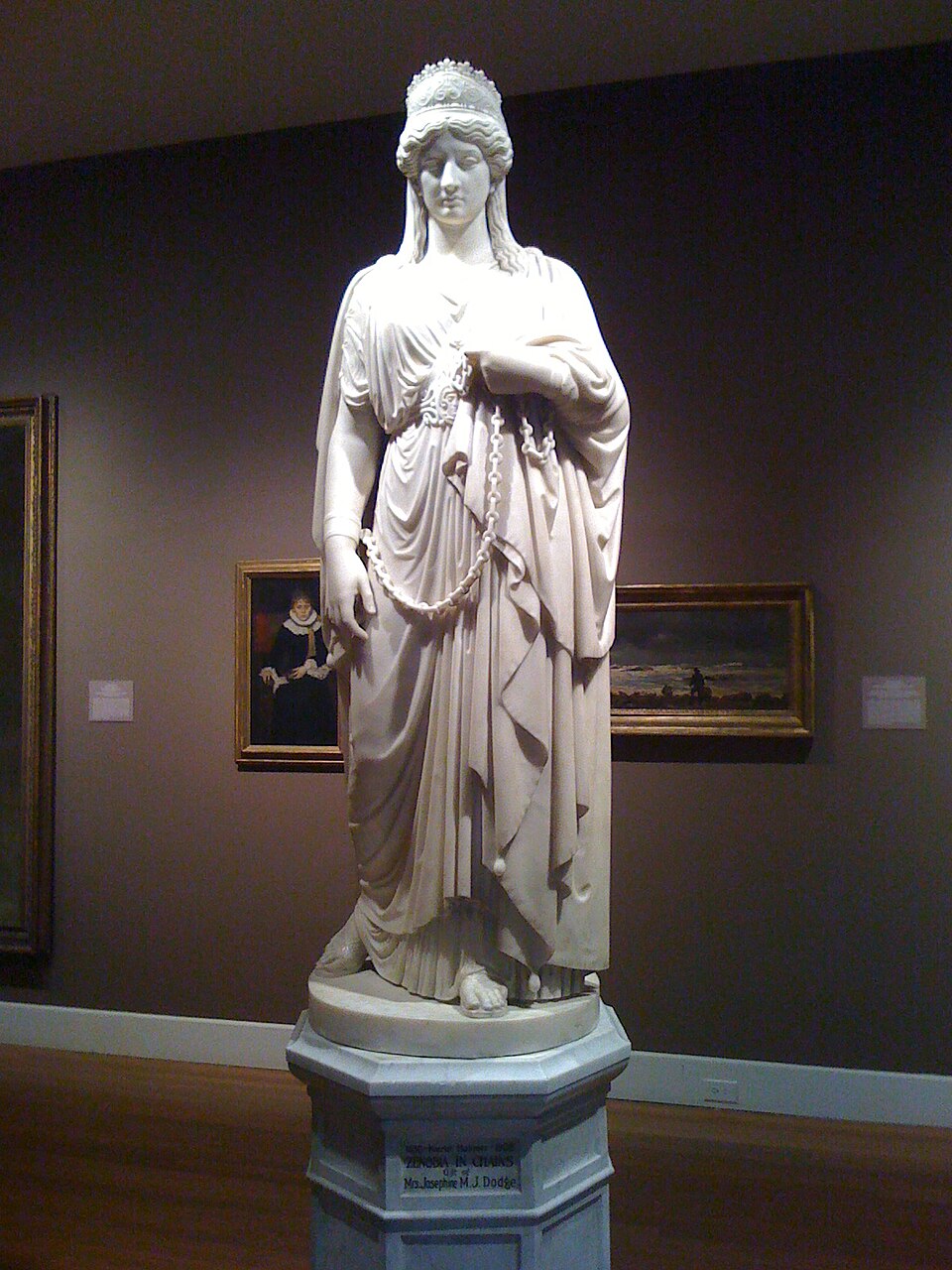
The warrior-queen who carved an eastern empire out of Rome’s crisis — and enters the church’s record as the power behind Paul of Samosata, her high officer at Antioch, whom her protection kept in the church building for four years after his deposition. Athanasius, looking back, called her “a Jewess and a patroness of Paul of Samosata” — her actual religion was eclectic patronage. Defeated by Aurelian in 272, she was led in his triumph; with her fall Paul lost his shield, and the synod’s sentence finally took effect.
Also listed in non-christian witnesses and women.
Common questions
When did Zenobia live?
Zenobia of Palmyra is dated captured 272; d. c. 274+ in the archive, which places Zenobia in the Ante-Nicene Church (AD 180–313). The dating is traditional and approximate; the archive marks it as uncertain rather than fixing a year the sources do not give.
Which early sources mention Zenobia?
Zenobia of Palmyra is named in 2 primary-source passages catalogued here, drawn from Athanasius of Alexandria and The Augustan History. Every passage is quoted from a named public-domain translation, earliest first.
Where was Zenobia from?
The archive associates Zenobia of Palmyra with Palmyra, Rome. The sources record more than one location, so the places are listed in the order the record moves through them.
Who were Zenobia’s contemporaries?
The archive links Zenobia of Palmyra to 3 other figures, including Paul of Samosata, Emperor Aurelian and Domnus of Antioch. Each connection is drawn from a source that places them together, not from inference.
Primary-source mentions (2)
Every passage below is quoted from a named public-domain translation, earliest first.
History of the Arians 71
c. AD 350Zenobia was a Jewess, and a patroness of Paul of Samosata.Athanasius of Alexandria · 71 · source text
Historia Augusta, The Thirty Tyrants 30 (the Roman portrait of the queen)
c. AD 395[The Augustan History gives Zenobia a chapter of her own, and concedes that a woman ruled the East better than the emperors of her day.]The Augustan History · Historia Augusta, The Thirty Pretenders 30
The Historia Augusta, a collection of imperial biographies compiled in Latin in the late fourth century and pseudonymously ascribed to six authors — unreliable on detail, but for some events the only source. Latin text: Susan H. Ballou (through Avidius Cassius) and Hermann Peter. English translation by David Magie, Loeb Classical Library 263 (1932), public domain — the copyright was never renewed.
Connected in the archive
People
Events in this lifetime
- AD 235 · Maximinus Thrax targets the clergy, AD 235
- AD 250 · The Decian persecution, AD 250
- AD 251 · The Novatianist schism, AD 251
- AD 257 · The Valerian persecution, AD 257
- AD 260 · Gallienus’ edict of toleration, AD 260
- AD 268 · Antioch deposes Paul of Samosata, AD 268
- AD 272 · Aurelian awards the Antioch church, AD 272
Place
Places served
The one place the sources put Zenobia.
- 1Rome