The Ante-Nicene Church · AD 180–313 · External witness
Emperor Philip the Arab
d. AD 249 · Roman Emperor (244–249) · Reputed Christian sympathizer · Arabia → Rome → Verona
External witness
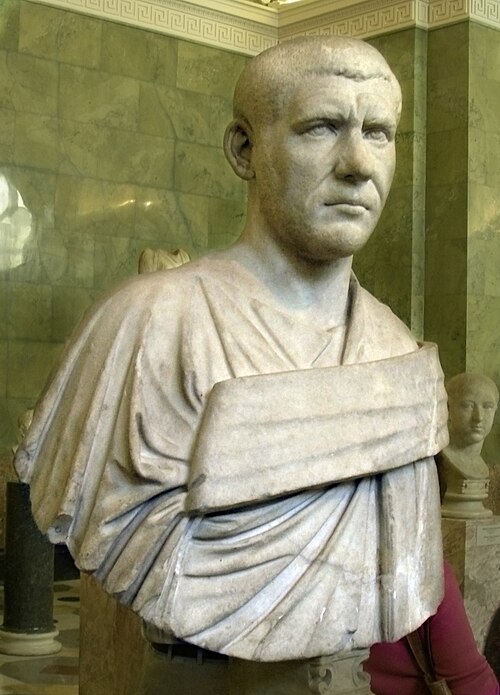
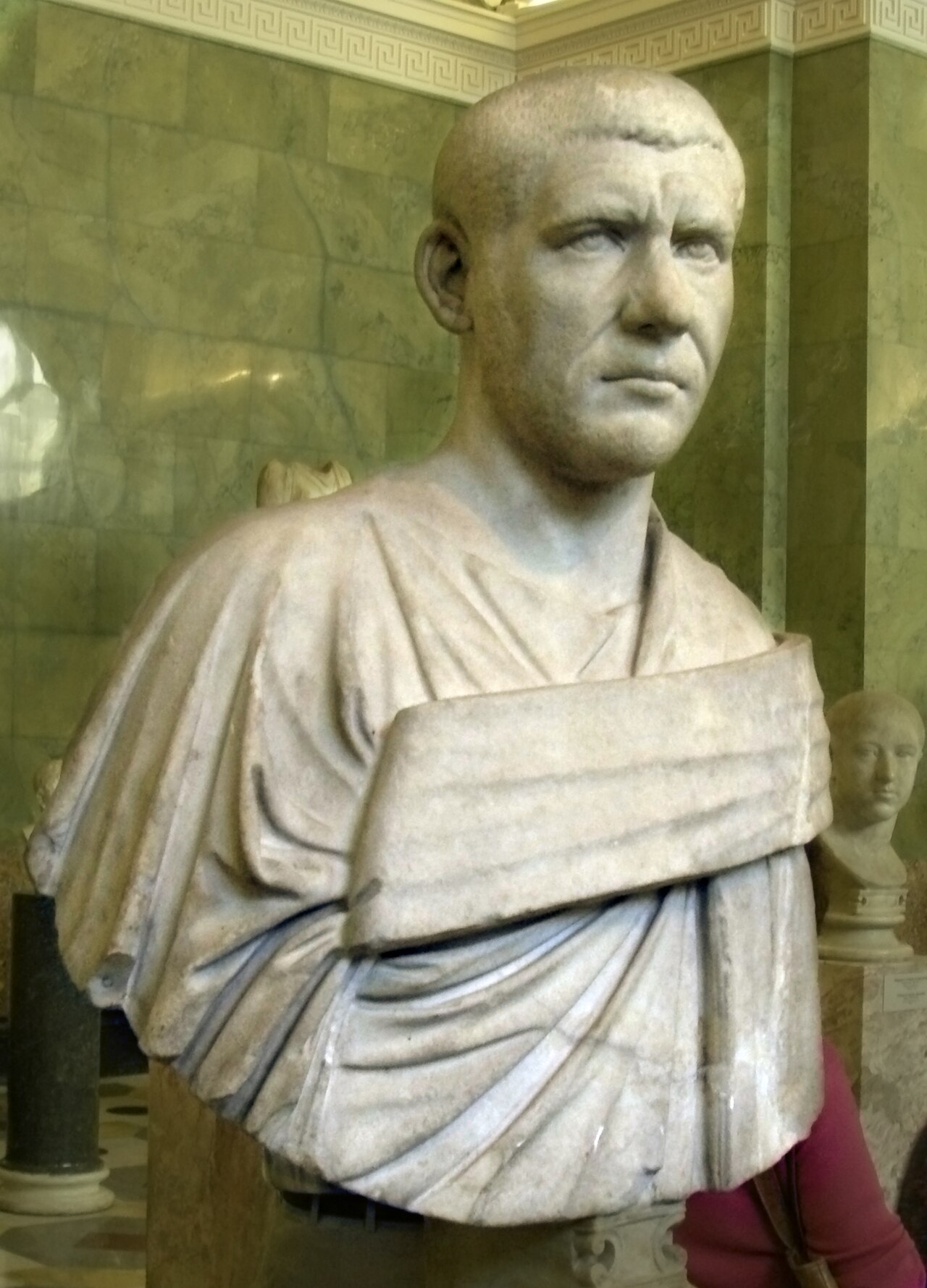

Who Emperor Philip the Arab was
The emperor around whom the church told its most startling third-century story: that he was himself a Christian, and that at the paschal vigil a bishop (tradition names Babylas of Antioch) refused him entry until he took his place among the penitents — “and it is said that he obeyed readily.” Eusebius reports the tale with a cautious ‘it is said’; Origen wrote letters to Philip and his empress. Whatever his private faith, his reign was kind to the church — and its end at Verona brought Decius, and the storm, in reaction against him.
Also listed in non-christian witnesses and roman emperors.
Common questions
When did Emperor Philip die?
Emperor Philip the Arab is dated d. AD 249 in the archive, which places Emperor Philip in the Ante-Nicene Church (AD 180–313).
Which early sources mention Emperor Philip?
Emperor Philip the Arab is named in 3 primary-source passages catalogued here, drawn from Eusebius of Caesarea and Jerome of Stridon. Every passage is quoted from a named public-domain translation, earliest first.
Where was Emperor Philip from?
The archive associates Emperor Philip the Arab with Arabia, Rome, Verona. The sources record more than one location, so the places are listed in the order the record moves through them.
Who were Emperor Philip’s contemporaries?
The archive links Emperor Philip the Arab to 3 other figures, including Babylas of Antioch, Origen of Alexandria and Emperor Decius. Each connection is drawn from a source that places them together, not from inference.
Primary-source mentions (3)
Every passage below is quoted from a named public-domain translation, earliest first.
Ecclesiastical History VI.34
c. AD 325It is reported that he, being a Christian, desired on the day of the last paschal vigil to share with the multitude in the prayers of the church, but was not permitted to enter by him who then presided, until he had confessed and numbered himself among those in penance.Eusebius of Caesarea · VI.34 · source text
Ecclesiastical History VI.36 (Origen's letters to Philip and the empress Severa)
c. AD 325He wrote to the Emperor Philip, and also another letter to his wife Severa.Eusebius of Caesarea · Ecclesiastical History VI.36 · source text
Chronicle of Jerome ('the first of all the emperors to be a Christian')
c. AD 380Philippus primus omnium ex Romanis imperatoribus Christianus fuit — Philip was the first of all the Roman emperors to be a Christian.Jerome of Stridon · Chronicle, ann. Abr. · source text
Connected in the archive
People
Named alongside Emperor Philip in the sources
This figure is placed with Emperor Philip by the record — in a council roll, a martyr-act, a letter or a history — without Emperor Philip naming them in return.
Events in this lifetime
- AD 180 · The Scillitan martyrs, AD 180
- AD 190 · The Quartodeciman controversy, AD 190
- AD 202 · Perpetua and Felicity martyred, AD 202
- AD 235 · Maximinus Thrax targets the clergy, AD 235
Place
Places served
The 3 places the sources put Emperor Philip, in the order the record moves through them. This is what the sources attest, not a reconstructed route.