Event · AD 397 · Carthage — with the ratification referred overseas
Carthage confirms the canon, AD 397
Council of Carthage confirms the canon

**The council usually credited with fixing the western canon did not draft it, and said so in the act itself.**
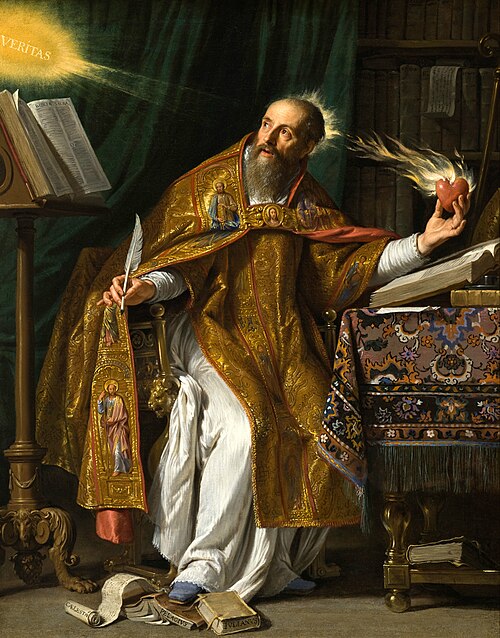
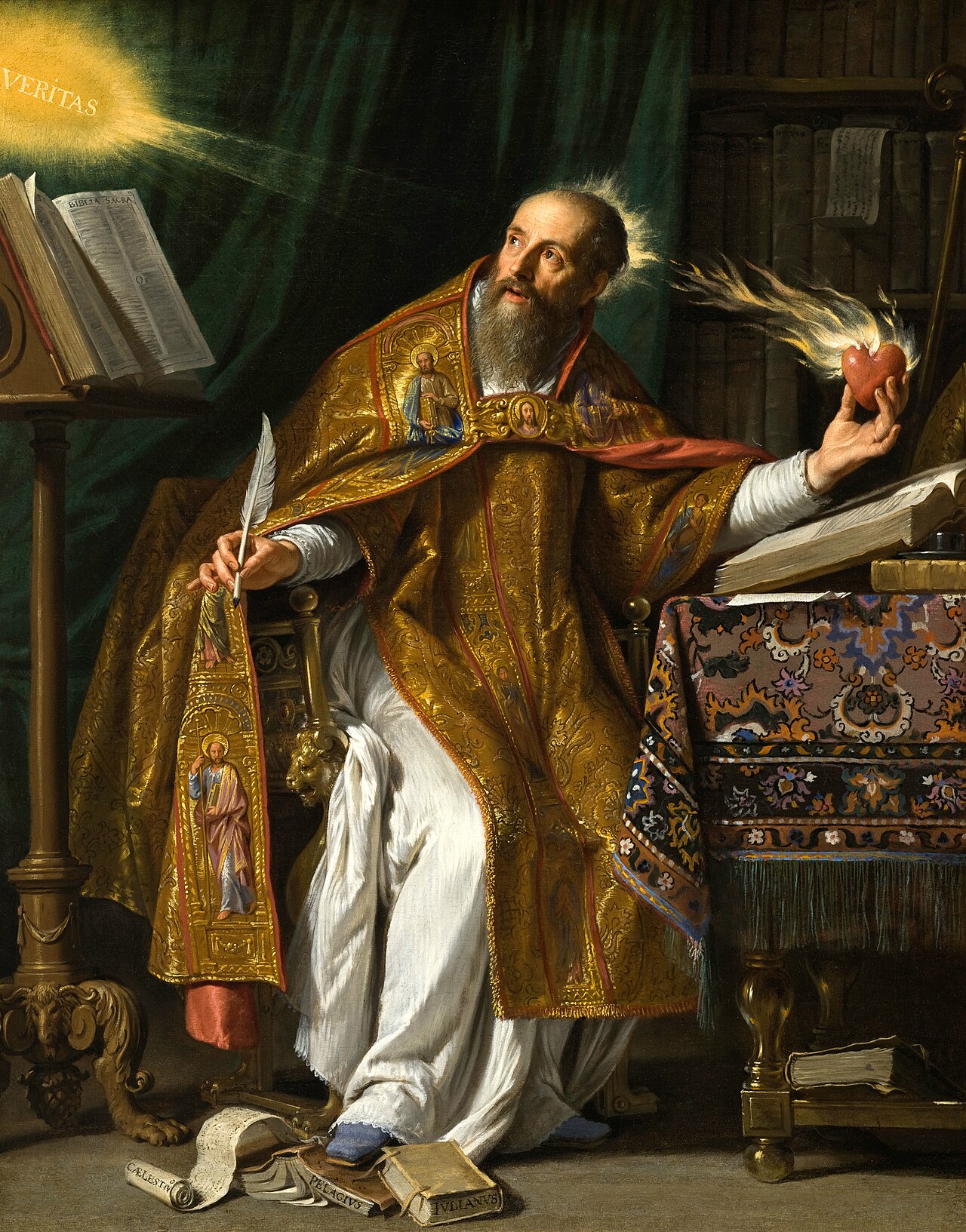
On 28 August 397 the bishops of Africa met at Carthage and enacted a list of the canonical scriptures — the twenty-seven books of the New Testament and an Old Testament including the books the West later called deuterocanonical. **Aurelius of Carthage presided**, as he did over every African council for a generation, and **Augustine, bishop of Hippo for two years, was among the forty-four bishops who signed**, and the same list appears in his *De doctrina Christiana*, whose first three books belong to that same year.
## Three things the record states that the usual summary omits
**One. The canon is older than the council that is remembered for it.** Hefele's judgement, followed since, is that this canon comes from the **synod of Hippo Regius in 393** and that Carthage simply re-enacted it along with many of that synod's other statutes. **The archive credits 393 and dates the confirmation to 397.**
**Two. It was not presented as final.** The act refers the list onward: ***De confirmando isto canone transmarina ecclesia consulatur*** — “for the confirmation of this canon, the church across the sea shall be consulted.” **A provincial council listing the scriptures and then asking Rome to confirm** is a different thing from a council closing the canon, and the record says so.
**Three. The text has been edited in transmission.** The council's acts survive inside the *Codex Canonum Ecclesiae Africanae*, a compilation of African conciliar legislation assembled decades later. **Within the canon itself the listing of Hebrews is suspicious** — *Epistolae Pauli Apostoli xiii., ejusdem ad Hebraeos una*, “thirteen epistles of the apostle Paul, and one of the same to the Hebrews”, where *ejusdem*, “of the same”, looks like a later hand settling a question the council may have left open.
## What it settled and what it did not
**It gave the Latin West a list its bishops were bound to**, thirty years after Athanasius had given the East one in an Easter letter — and the archive holds that letter as its own event. **The two lists agree on the New Testament and differ on the Old**, Athanasius excluding books Carthage includes.
⚠ **And the archive does not call it the closing of the canon.** Jerome was translating and arguing about the Hebrew books in the same decade; the eastern and western Old Testaments never converged; and the question the council referred across the sea took centuries to answer. **What 397 establishes is that by then a list existed which African bishops could enact as law.**
The sources for this event
Every source the record rests on, with what it says and what it cannot carry.
The canon of the Third Council of Carthage, in the Codex Canonum Ecclesiae Africanae
c. AD 419[The list: the Old Testament including Wisdom, Sirach, Tobit, Judith and the Maccabees, and the New Testament in twenty-seven books — with **“thirteen epistles of the apostle Paul, and one of the same to the Hebrews”**, where *of the same* reads like a later correction. The act closes by referring the list onward: ***De confirmando isto canone transmarina ecclesia consulatur*** — **“for the confirmation of this canon the church across the sea shall be consulted.”** ⚠ The wording is itself a manuscript question: this reading is adopted from one witness and is now generally printed.]
**Not held as a text record in this library.** Latin in the *Codex Canonum Ecclesiae Africanae* (the *Statuta Concilii Africani*), the African conciliar compilation which Hefele assigns to Dionysius Exiguus in 419; public-domain English of the African code: H. R. Percival, NPNF 2nd ser. 14 (1900). ⚠ The canon is held by Hefele to derive from **Hippo, 393**, and re-enacted here.
Augustine, On Christian Doctrine II.8 — the same list, the same year
c. AD 397[Augustine gives the rule he applies before he gives the list: the interpreter is to **“follow the judgment of the greater number of Catholic Churches; and among these, of course a high place must be given to such as have been thought worthy to be the seat of an apostle.”** He then lists forty-four Old Testament books and the twenty-seven of the New, counting **fourteen epistles of Paul including Hebrews**. ⚠ The first three books of the work are of 397, the year of the council he attended — **the archive notes the agreement and does not assert which document depends on which.**]
**Not held as a text record in this library**; the archive holds the *Confessions*, the *Letters*, the *Sermons*, the *Enarrationes* and the anti-Donatist works. English: J. F. Shaw, NPNF 1st ser. 2 (1887), public domain.
Athanasius, Festal Letter 39 — the eastern list, thirty years earlier
c. AD 367[Linked for the comparison the archive can make from its own shelves. **The two lists agree exactly on the New Testament and disagree on the Old**: Athanasius puts Esther, Wisdom, Sirach, Judith and Tobit outside the canon and among books “appointed by the Fathers to be read”; Carthage enacts several of them as canonical. **One church, two provinces, thirty years, and a different Old Testament** — recorded rather than harmonised.]
*Festal Letter 39* — held in this library, and held as its own event at AD 367. English: NPNF 2nd ser. 4, public domain.
Read the source text →Figures in this event (2)
Scholarship
- The Canon of the New Testament: Its Origin, Development, and SignificanceBruce M. Metzger, 1987On Hippo, Carthage and the relation of the African canon to Augustine's.
- A History of the Councils of the Church, vol. 2Karl Joseph von Hefele, tr. William R. Clark, 1876The argument that the canon belongs to Hippo 393 and the reading *transmarina ecclesia consulatur*. Public domain.
- The Biblical Canon: Its Origin, Transmission, and AuthorityLee Martin McDonald, 2007Third edition; the African councils set beside the eastern lists.