The Nicene Age · AD 313–400
Augustine of Hippo
Also known as Aurelius Augustinus
354 – 430 · Bishop of Hippo · Theologian of the West · Thagaste → Milan → Hippo Regius
The Nicene Age
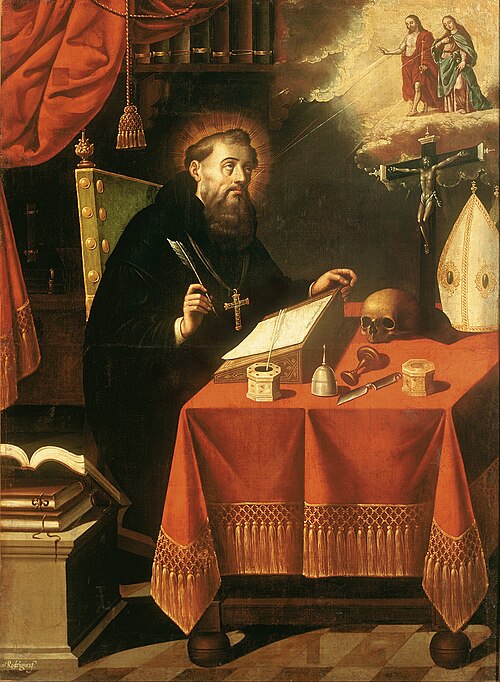
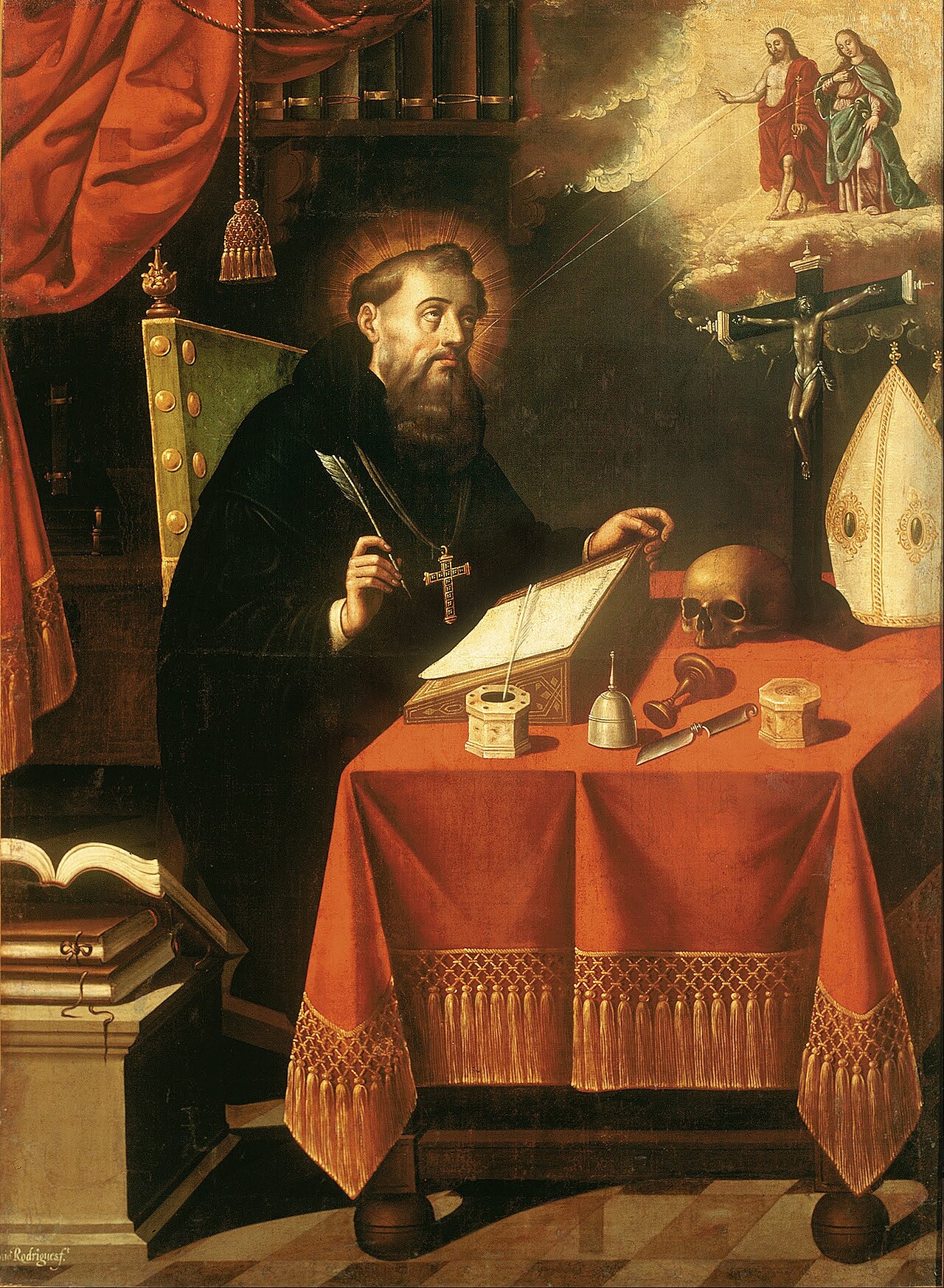
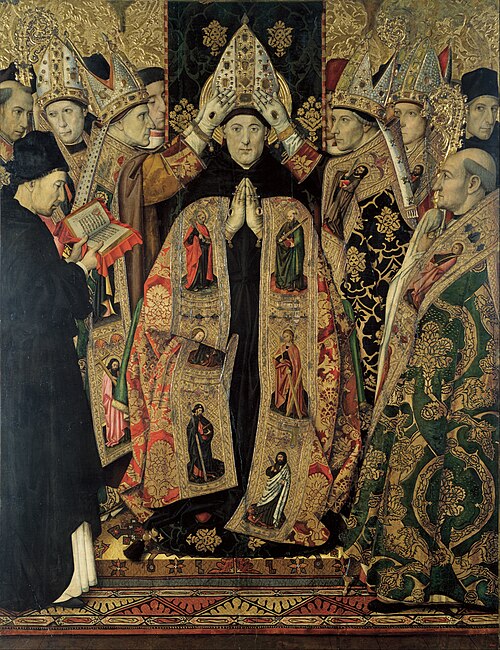
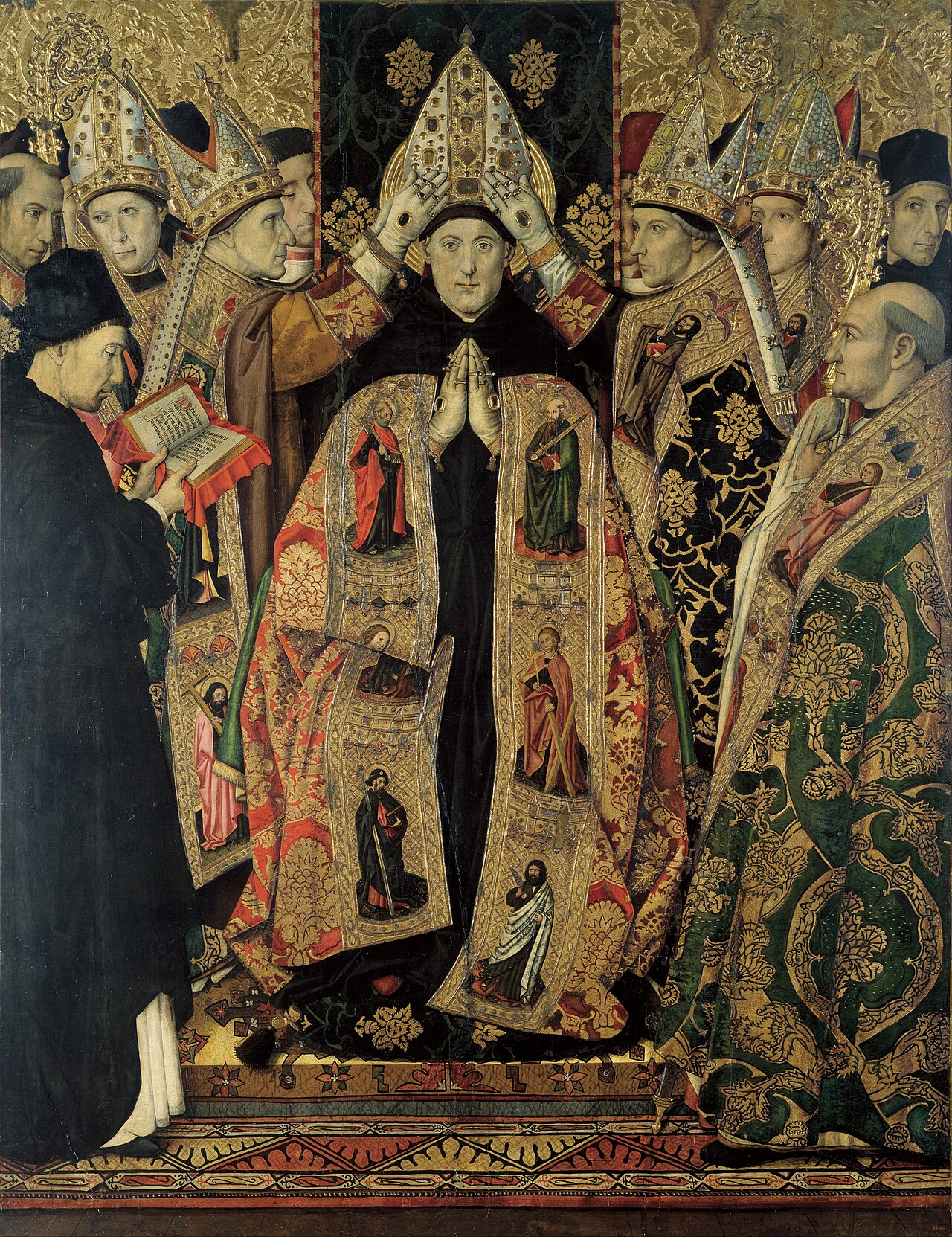


.jpg)
Who Augustine of Hippo was
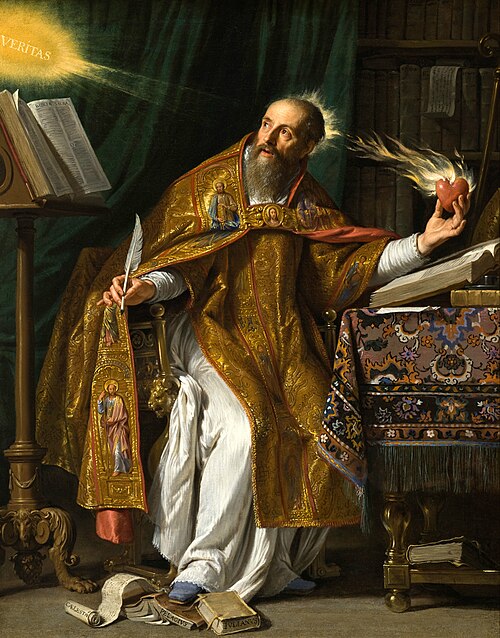
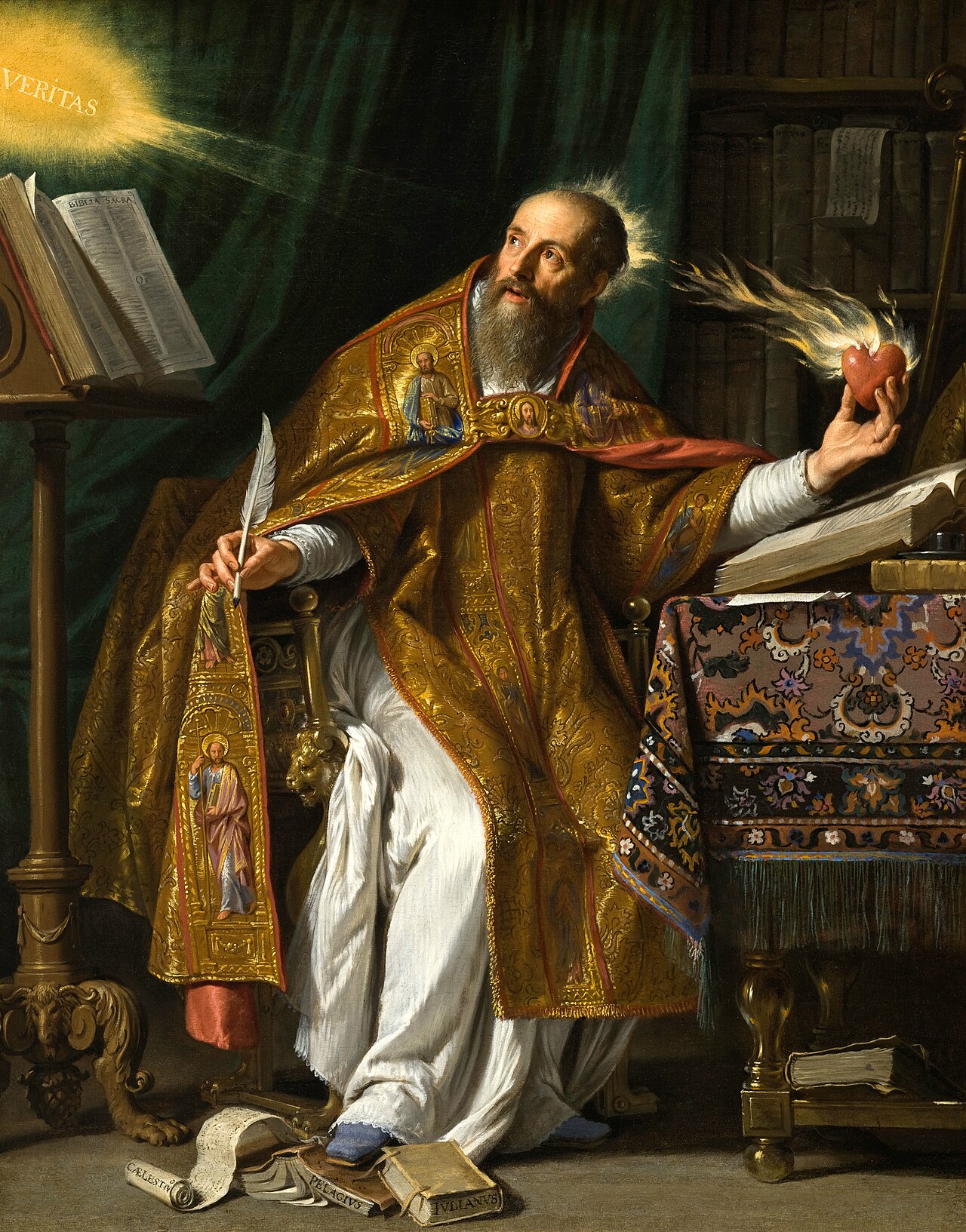
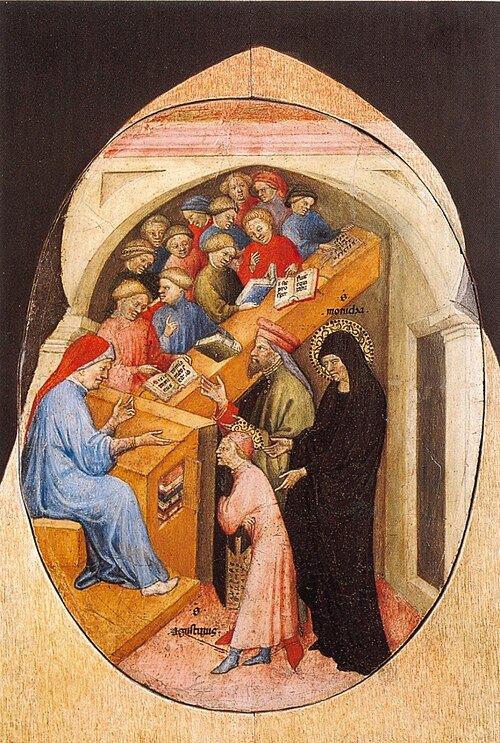
A Numidian schoolmaster’s son burning with ambition and appetite, Augustine spent a decade among the Manichees, took the imperial chair of rhetoric at Milan in 384 — and there met his match: Ambrose’s preaching, his mother Monica’s patience, and the story of Anthony of Egypt. In a Milanese garden in 386 he heard a child chant tolle lege, “take up and read,” opened Paul at random, and surrendered. Baptized by Ambrose at Easter 387, he returned to Africa, was pressed into the priesthood by a congregation that seized him mid-sermon, and became bishop of Hippo in 396. By 400 he had finished the Confessions — the first interior autobiography in world literature; the City of God and the doctrines that named the West’s debates for fifteen centuries lay ahead, and he died in 430 with the Vandals at the gates.
Also listed in bishops beyond the great sees.
Common questions
When did Augustine live?
Augustine of Hippo is dated 354 – 430 in the archive, which places Augustine in the Nicene Age (AD 313–400).
What did Augustine write?
Augustine of Hippo has 2 catalogued writings in the archive: Confessions and Confessions, book X.
Which early sources mention Augustine?
Augustine of Hippo is named in 5 primary-source passages catalogued here, drawn from Jerome of Stridon, Augustine of Hippo, Paulus Orosius and Possidius of Calama. Every passage is quoted from a named public-domain translation, earliest first.
Where was Augustine from?
The archive associates Augustine of Hippo with Thagaste, Milan, Hippo Regius. The sources record more than one location, so the places are listed in the order the record moves through them.
Writings (2)
Confessions
c. 397–400Thou hast made us for Thyself, and our heart is restless until it repose in Thee.Read the interlinear source text →
Confessions, book X
c. 397–400Too late loved I Thee, O Beauty so old and yet so new! Too late loved I Thee! And behold, Thou wert within, and I abroad, and there I searched for Thee.Read the interlinear source text →
Primary-source mentions (5)
Every passage below is quoted from a named public-domain translation, earliest first.
Letter 72 of Jerome (the duel of the two doctors, mid-quarrel)
c. AD 404The Confessions
c. AD 410Thou hast made us for Thyself, and our heart is restless until it rests in Thee… Too late did I love Thee, O Fairness, so ancient and yet so new! Too late did I love Thee. For behold, Thou wert within, and I without, and there did I seek Thee.Augustine of Hippo · source text
Orosius, Histories, dedication (the pupil's tribute: 'you bade me write')
c. AD 417I have obeyed your bidding, most blessed father Augustine — you bade me write against the empty talk of those who call these Christian times worse. (working translation)Paulus Orosius · Histories, prologue
Orosius's Historiae adversus paganos, seven books written in Africa in AD 417–418 at Augustine's request — the first world history written from a Christian standpoint, and the standard work of reference on antiquity for the medieval West. Critical text: Karl Zangemeister, Corpus Scriptorum Ecclesiasticorum Latinorum 5 (1882). English translations: Irving Woodworth Raymond (Columbia, 1936), Roy J. Deferrari, Fathers of the Church 50 (1964), and A. T. Fear, Translated Texts for Historians 54 (Liverpool, 2010); none of the three is in the public domain, so quotations here are rendered from Zangemeister's Latin.
Possidius, Life of Augustine (the forty-year friend's memoir, with the Indiculum of his works)
c. AD 435Gennadius, On Illustrious Men 38 (the catalogue's wary verdict on so much writing)
c. AD 480Connected in the archive
Converted under Ambrose and baptized by him; stirred by Athanasius’s Life of Antony; corresponded (prickly on both sides) with Jerome; preached on Perpetua’s feast
People
- Ambrose of Milan
- Anthony the Great
- Jerome of Stridon
- Vibia Perpetua
- Mani
- Donatus of Carthage
- Marius Victorinus
- Monica of Thagaste
- Optatus of Milevis
- Parmenian of Carthage
- Martin of Tours
- Philastrius of Brescia
- Jovinian
- John Chrysostom
- Simplician of Milan
- Paulus Orosius
- Pelagius
- Agricola the Pelagian
- Aurelius of Carthage
Events in this lifetime
- AD 361 · Julian’s pagan restoration, AD 361
- AD 366 · Damasus and the catacomb epigrams, AD 366
- AD 367 · Athanasius lists the 27 NT books, AD 367
- AD 372 · The martyrdom of Sabbas the Goth, AD 372
- AD 378 · Queen Mavia’s revolt, AD 378
- AD 380 · The Edict of Thessalonica, AD 380
- AD 381 · The Council of Constantinople, AD 381
- AD 381 · The Council of Aquileia, AD 381
- AD 384 · The Altar of Victory petition, AD 384
- AD 390 · Thessalonica and the penance of Theodosius, AD 390
- AD 397 · Carthage confirms the canon, AD 397
Place
Places served
The 3 places the sources put Augustine, in the order the record moves through them. This is what the sources attest, not a reconstructed route.