The Nicene Age · AD 313–400
John Chrysostom
Also known as “the Golden-Mouthed”
c. 347 – 407 · Preacher of Antioch · Archbishop of Constantinople · Antioch → Constantinople
The Nicene Age
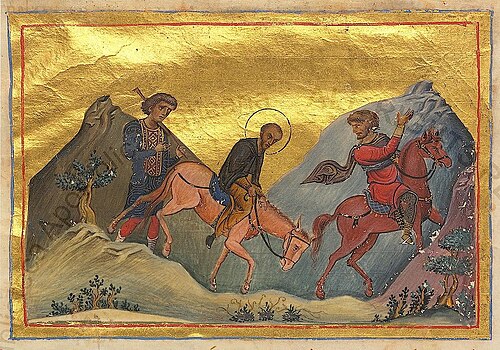
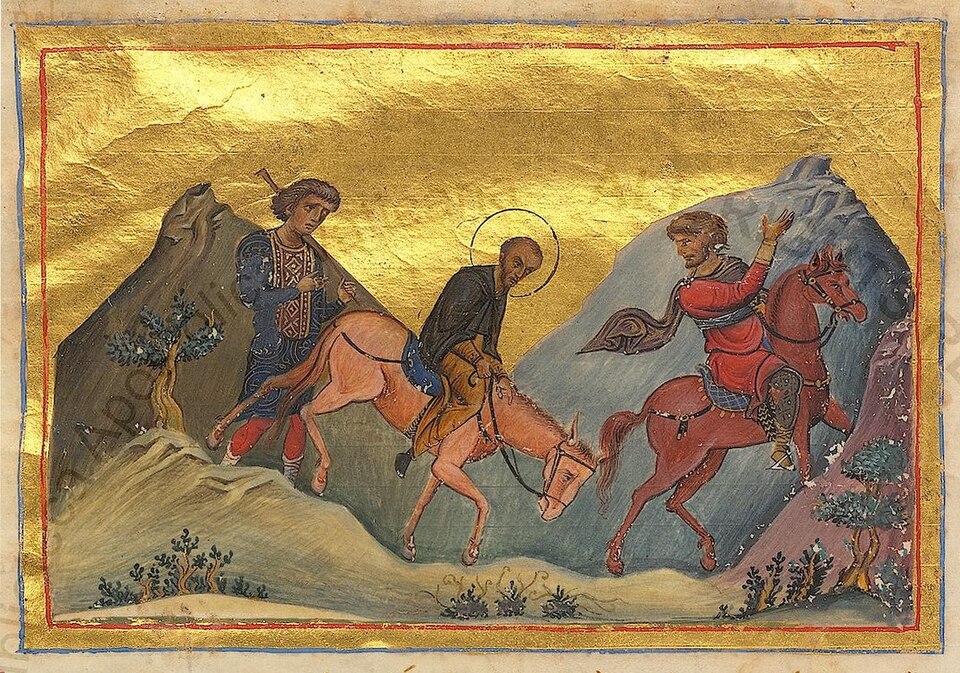
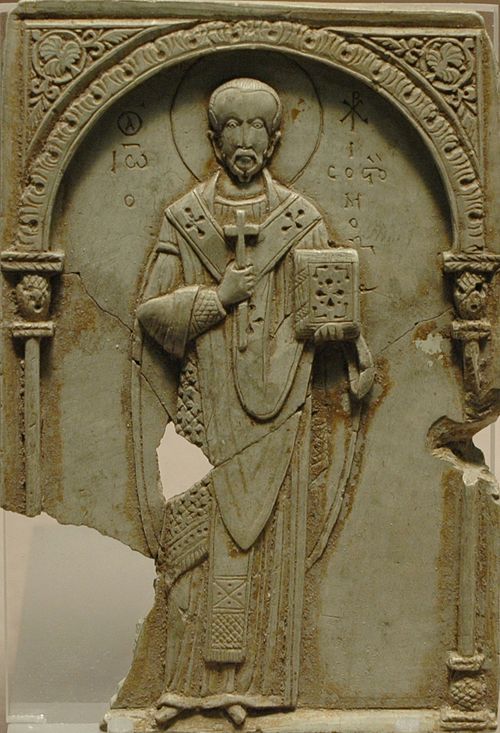
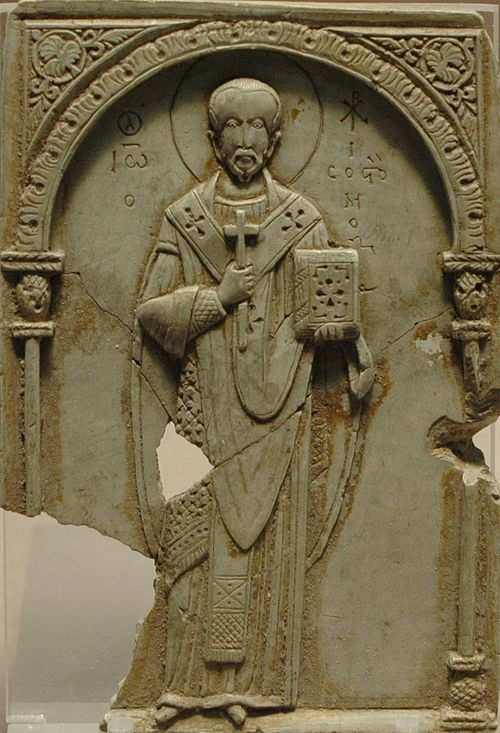

_-_John_Chrysostom_-_detail.jpg)
.jpg)


Who John Chrysostom was
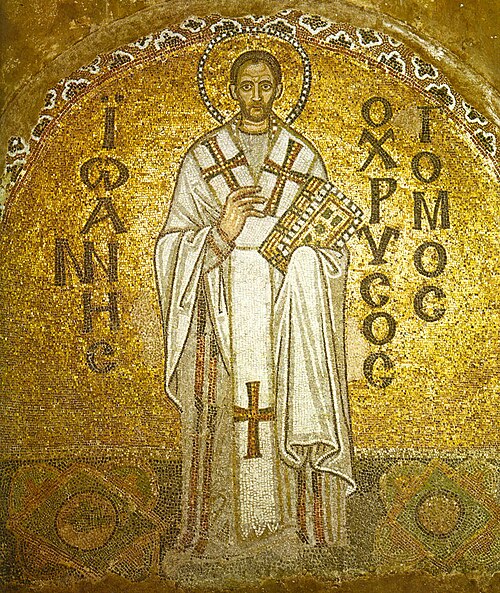
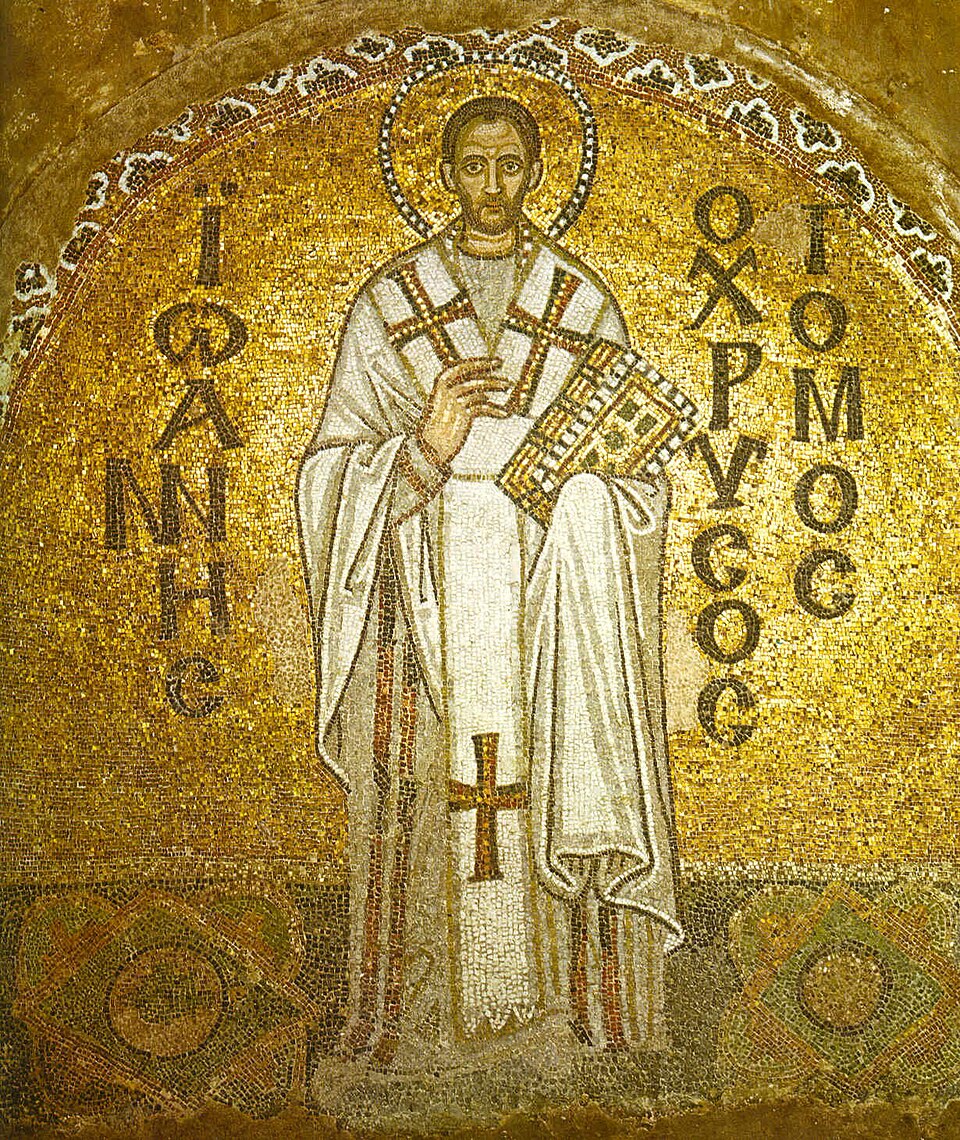
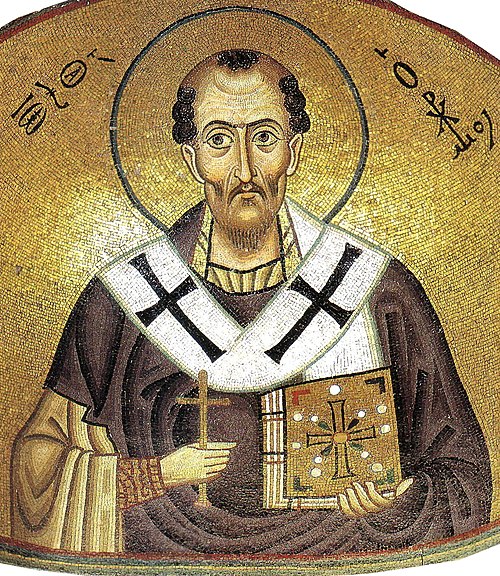
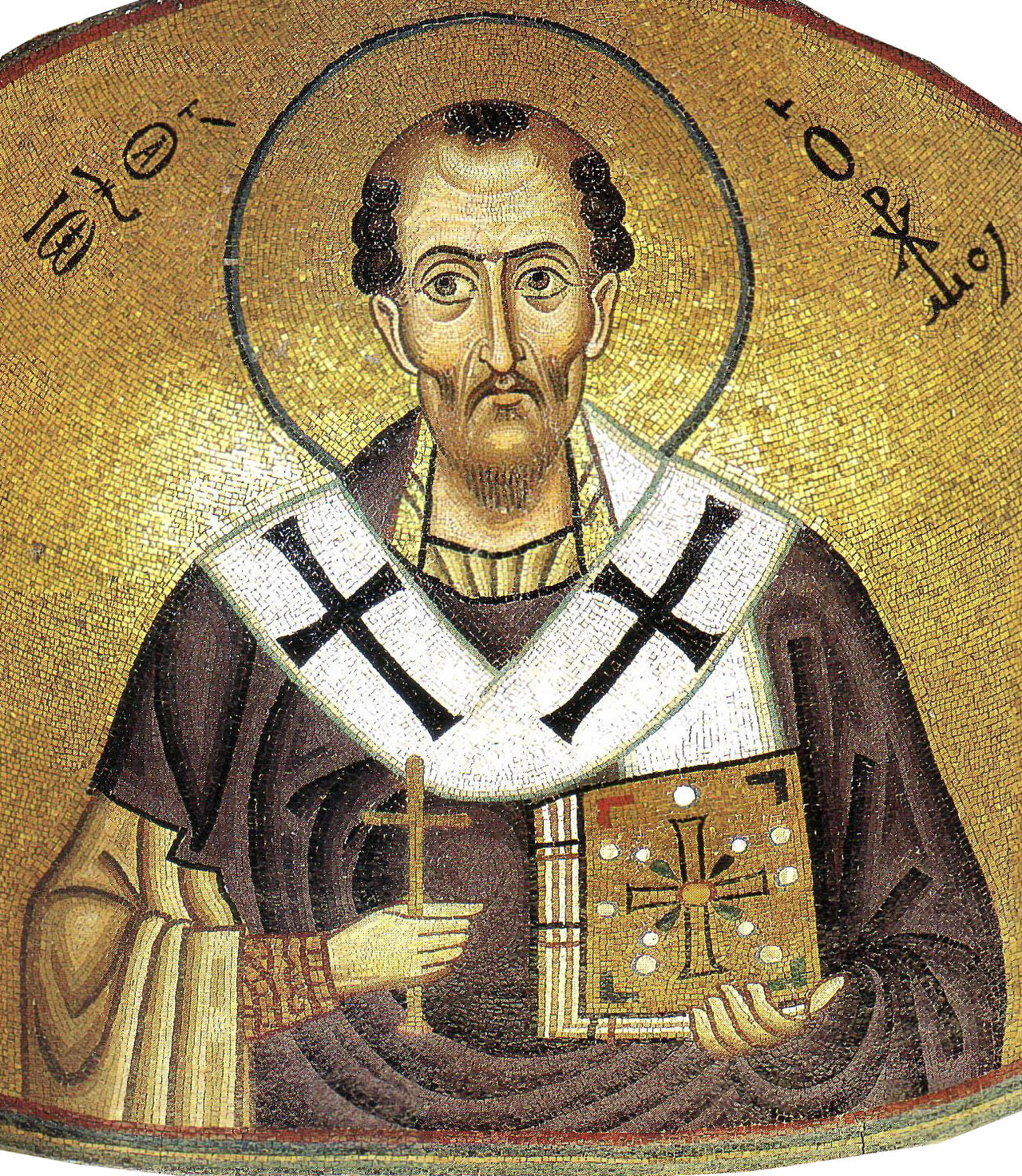
Trained for the law under the great pagan rhetor Libanius — who, asked to name his successor, sighed, “John, had not the Christians stolen him” — John half-ruined his health as a mountain ascetic, then spent twelve years as Antioch’s preacher, expounding Scripture verse by verse to packed congregations; some six hundred homilies survive, plainspoken, socially fearless, and so lucid that posterity named him Chrysostomos, “Golden-Mouth.” Kidnapped (in effect) to be archbishop of Constantinople in 398, he sold the episcopal plate for the poor, disciplined lax clergy, and preached against the court’s luxury until the empress Eudoxia and a cabal of bishops contrived his deposition and exile. Marched to death across Anatolia in 407, his last words were his life’s refrain: “Glory be to God for all things.”
Also listed in the bishops of Constantinople.
Common questions
When did John Chrysostom live?
John Chrysostom is dated c. 347 – 407 in the archive, which places John Chrysostom in the Nicene Age (AD 313–400). The dating is traditional and approximate; the archive marks it as uncertain rather than fixing a year the sources do not give.
What did John Chrysostom write?
John Chrysostom has 2 catalogued writings in the archive: Homilies on Matthew and On the Priesthood.
Which early sources mention John Chrysostom?
John Chrysostom is named in 4 primary-source passages catalogued here, drawn from John Chrysostom, Palladius of Helenopolis, Socrates Scholasticus and Sozomen. Every passage is quoted from a named public-domain translation, earliest first.
Where was John Chrysostom from?
The archive associates John Chrysostom with Antioch, Constantinople. The sources record more than one location, so the places are listed in the order the record moves through them.
Writings (2)
Homilies on Matthew
c. 390For what is the profit, when His table indeed is full of golden cups, but He perishes with hunger? First fill Him, being an hungered, and then abundantly deck out His table also.Read the interlinear source text →
On the Priesthood
c. 386The priestly office is discharged upon earth, but holds the rank of heavenly things — and rightly so, for it was neither man nor angel… but the Paraclete Himself who established this ministry.Read the interlinear source text →
Primary-source mentions (4)
Every passage below is quoted from a named public-domain translation, earliest first.
On the Priesthood (De Sacerdotio)
c. AD 390The priestly office is discharged upon earth, but ranks among heavenly ordinances… The priest must be sober and clear-sighted, and possess a thousand eyes in every direction, as one who lives not for himself alone but for so great a multitude.John Chrysostom · source text
Palladius, Dialogue on the Life of John Chrysostom (the defense brief from exile)
c. AD 408Ecclesiastical History VI.3–21 (the rise, the Oak, and the exile)
c. AD 440He studied rhetoric under Libanius the sophist, and philosophy under Andragathius the philosopher.Socrates Scholasticus · Ecclesiastical History VI.3 · source text
Church History VIII.2–28 (the fuller narrative, with Innocent's letters)
c. AD 445Connected in the archive
Fellow student of Basil in Antioch’s schools; deposed with the connivance of Theophilus of Alexandria; contemporary of Jerome and Augustine
People
- Jerome of Stridon
- Augustine of Hippo
- Basil the Great
- Meletius of Antioch
- Diodore of Tarsus
- Libanius of Antioch
- Nectarius of Constantinople
- Ammonius the Tall
- Epiphanius of Salamis
- Socrates Scholasticus
Events in this lifetime
- AD 361 · Julian’s pagan restoration, AD 361
- AD 366 · Damasus and the catacomb epigrams, AD 366
- AD 367 · Athanasius lists the 27 NT books, AD 367
- AD 372 · The martyrdom of Sabbas the Goth, AD 372
- AD 378 · Queen Mavia’s revolt, AD 378
- AD 380 · The Edict of Thessalonica, AD 380
- AD 381 · The Council of Constantinople, AD 381
- AD 381 · The Council of Aquileia, AD 381
- AD 384 · The Altar of Victory petition, AD 384
- AD 390 · Thessalonica and the penance of Theodosius, AD 390
- AD 397 · Carthage confirms the canon, AD 397
Place
Places served
The 2 places the sources put John Chrysostom, in the order the record moves through them. This is what the sources attest, not a reconstructed route.