The Nicene Age · AD 313–400
Basil the Great
330 – 379 · Bishop of Caesarea · Legislator of monks · Builder of hospitals · Caesarea in Cappadocia
The Nicene Age
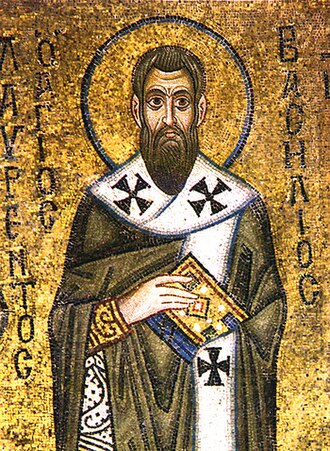
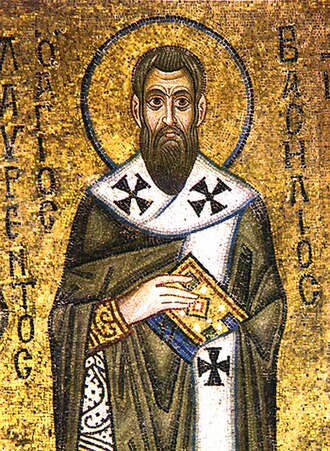
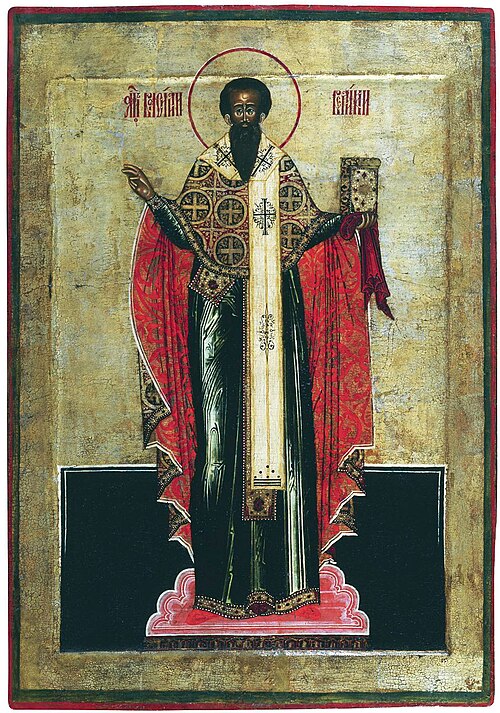
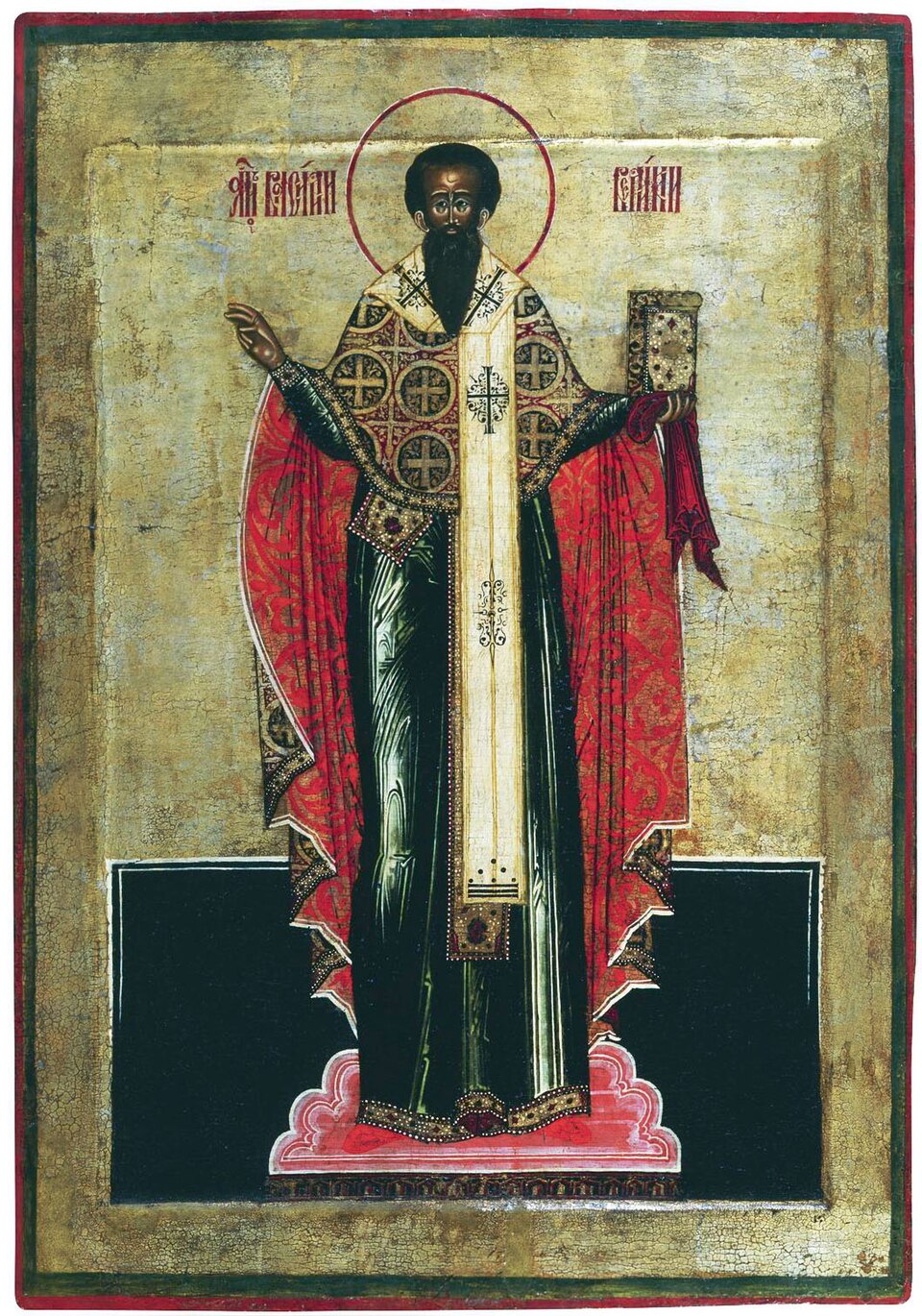
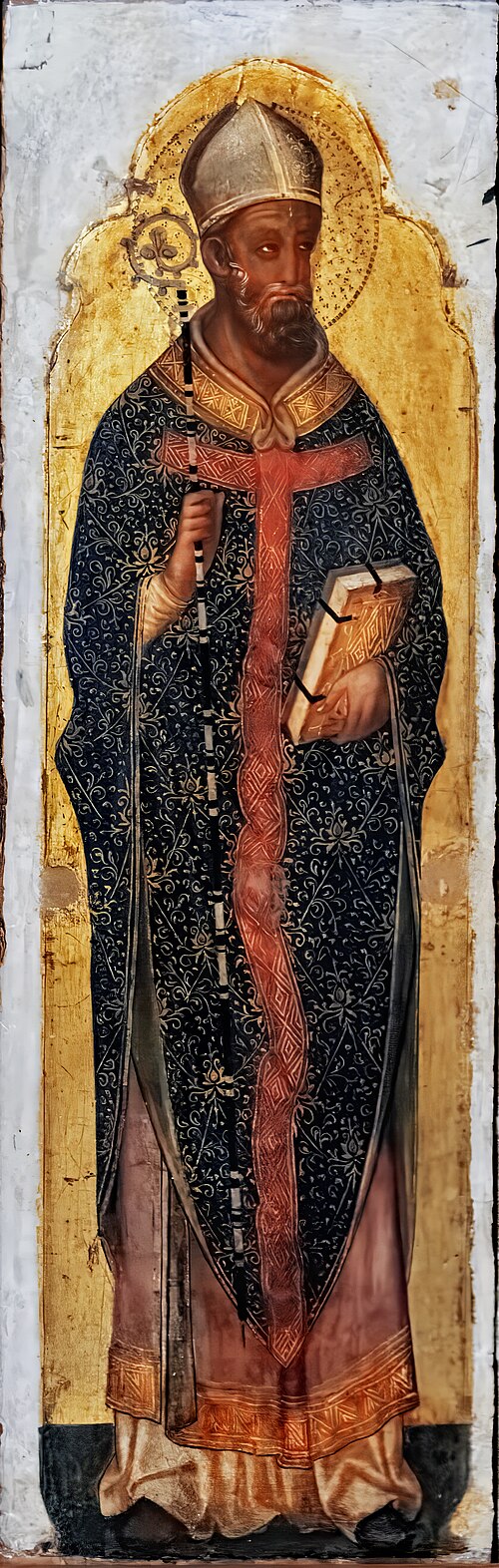
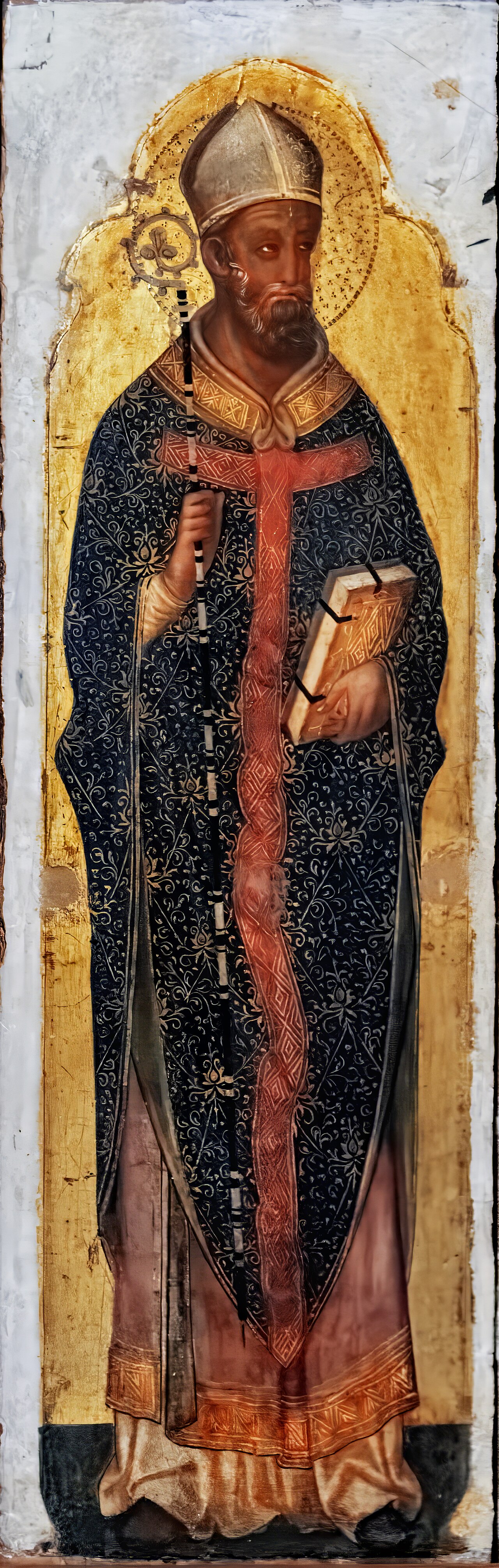
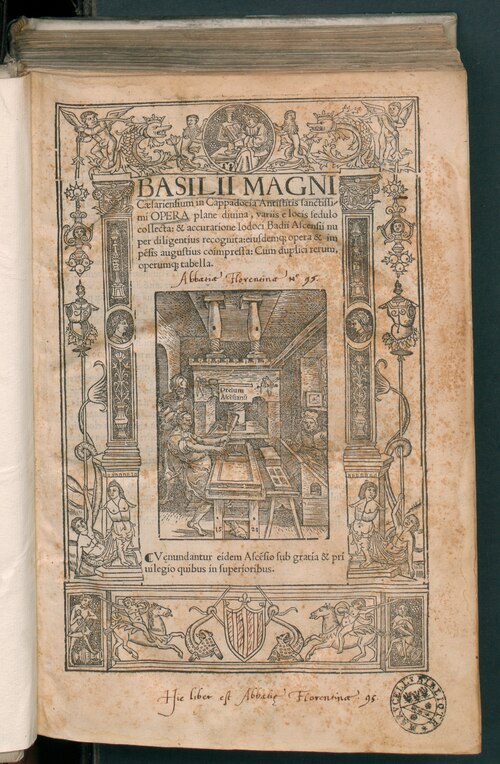
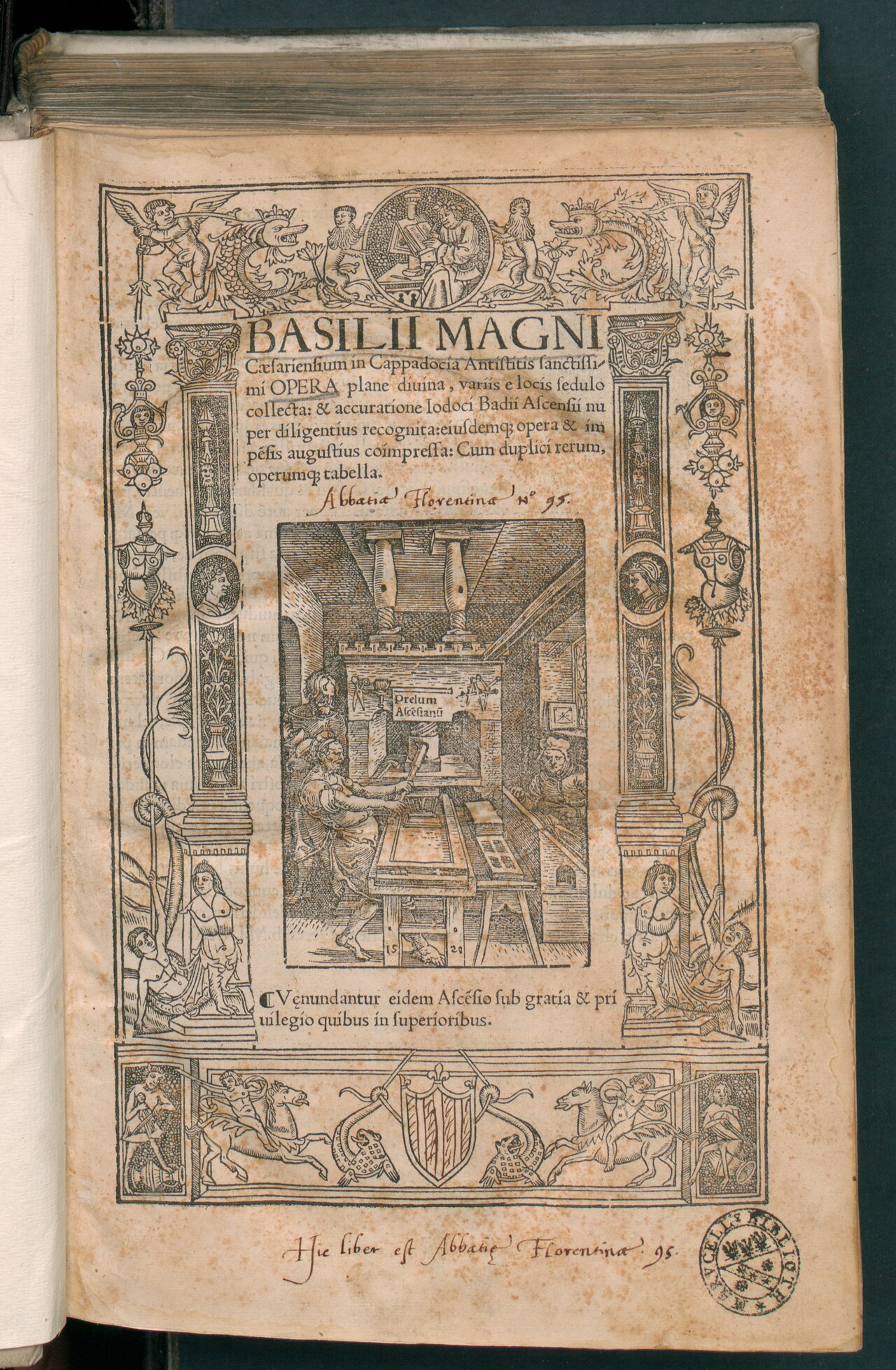
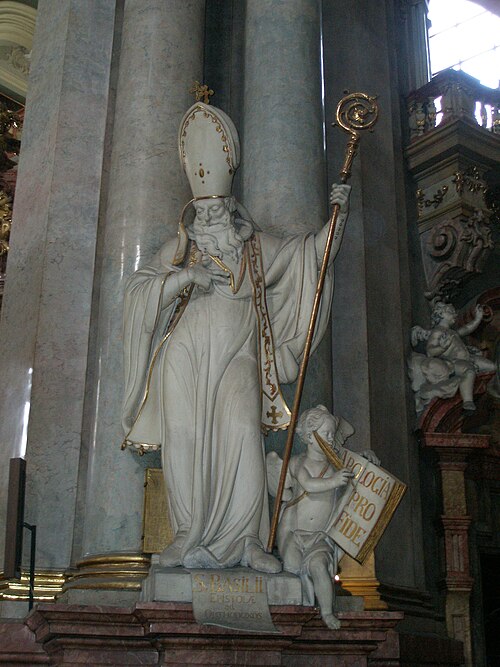
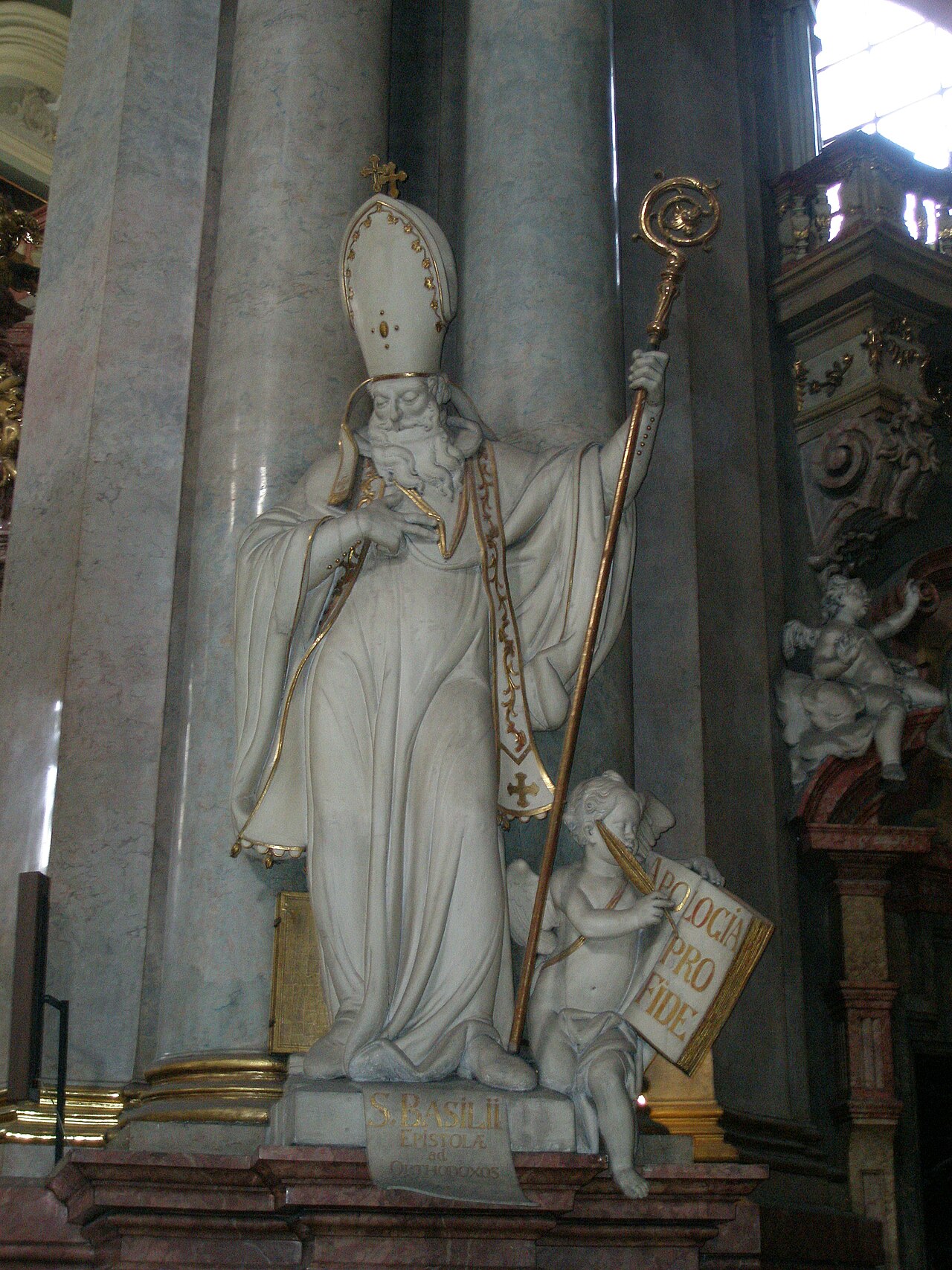


_San_Basilio_-_Jacobello_di_Bonomo_-_Museo_Correr.jpg)

Who Basil the Great was
Educated at Athens beside his friend Gregory of Nazianzus — “we knew two roads only: to the church, and to the lecture-hall” — Basil renounced a brilliant rhetorical career, toured the ascetics of Egypt and Syria, and organized monasticism around community, work, and the poor; his Rules govern Eastern monasteries to this day. As bishop of Caesarea from 370 he built the Basiliad, a “new city” of hospital, hospice, and trade schools that made the old agora obsolete; faced down the prefect of an Arian emperor (“perhaps you have never met a real bishop”); and in On the Holy Spirit secured the divinity of the Spirit for the creed of 381 he did not live to see. He died at forty-nine, worn out, mourned by Jew and pagan alike.
Also listed in bishops beyond the great sees, roman emperors and desert fathers & mothers.
Common questions
When did Basil live?
Basil the Great is dated 330 – 379 in the archive, which places Basil in the Nicene Age (AD 313–400).
What did Basil write?
Basil the Great has 2 catalogued writings in the archive: On the Holy Spirit and Homily: “I Will Tear Down My Barns”.
Which early sources mention Basil?
Basil the Great is named in 4 primary-source passages catalogued here, drawn from Basil of Caesarea, Gregory of Nazianzus, Jerome of Stridon and Theodoret of Cyrrhus. Every passage is quoted from a named public-domain translation, earliest first.
Where was Basil from?
The archive associates Basil the Great with Caesarea in Cappadocia.
Writings (2)
On the Holy Spirit
375Through the Spirit comes our restoration to paradise, our ascension into the kingdom of heaven… our being made God.Read the interlinear source text →
Homily: “I Will Tear Down My Barns”
c. 368The bread which you hold back belongs to the hungry; the coat, which you guard in your locked storage-chests, belongs to the naked; the footwear mouldering in your closet belongs to those without shoes.Read the interlinear source text →
Primary-source mentions (4)
Every passage below is quoted from a named public-domain translation, earliest first.
On the Holy Spirit (De Spiritu Sancto)
c. AD 375‘Glory to the Father with the Son, together with the Holy Ghost.’ …We are bound to number the Spirit with the Father and the Son, and in no wise to separate Him, in the confession of faith, from the Father and the Son.Basil of Caesarea · source text
Oration 43 (the funeral panegyric: 'his words were thunder because his life was lightning')
c. AD 381His words were thunder, because his life was lightning.Gregory of Nazianzus · Oration 43 · source text
On Illustrious Men 116
c. AD 392Basil, bishop of Caesarea in Cappadocia, the city formerly called Mazaca, composed admirable, carefully written books Against Eunomius.Jerome of Stridon · On Illustrious Men 116 · source text
Ecclesiastical History IV.19 (the prefect's threats answered: 'confiscation cannot touch a man who owns nothing')
c. AD 449Confiscation cannot touch one who has nothing, unless you covet these tattered rags, and the few books, which are all my property.Theodoret of Cyrrhus · Ecclesiastical History IV.19 · source text
Connected in the archive
Formed by his sister Macrina; brother of Gregory of Nyssa; soul-friend of Gregory of Nazianzus; correspondent of Athanasius
People
- Macrina the Younger
- Gregory of Nyssa
- Gregory of Nazianzus
- Athanasius of Alexandria
- Gregory Thaumaturgus
- Macrina the Elder
- Naucratius of Annisa
- Eupsychius of Caesarea
- Macedonius of Constantinople
- Sabbas the Goth
- Ephrem the Syrian
- Emmelia of Caesarea
- Eustathius of Sebaste
- Emperor Valens
- Eusebius of Samosata
- Peter of Sebaste
- Eunomius of Cyzicus
- Amphilochius of Iconium
- John Chrysostom
- Ascholius (Acholius) of Thessalonica
- Seleucus
Events in this lifetime
- AD 339 · The persecution of Shapur II, AD 339
- AD 343 · The Council of Serdica, AD 343
- AD 361 · Julian’s pagan restoration, AD 361
- AD 366 · Damasus and the catacomb epigrams, AD 366
- AD 367 · Athanasius lists the 27 NT books, AD 367
- AD 372 · The martyrdom of Sabbas the Goth, AD 372
- AD 378 · Queen Mavia’s revolt, AD 378
Place
Places served
The one place the sources put Basil.