The Nicene Age · AD 313–400
Ephrem the Syrian
c. 306 – 373 · Deacon of Nisibis & Edessa · “Harp of the Spirit” · Nisibis → Edessa
The Nicene Age

.jpg)

.jpg)

Who Ephrem the Syrian was
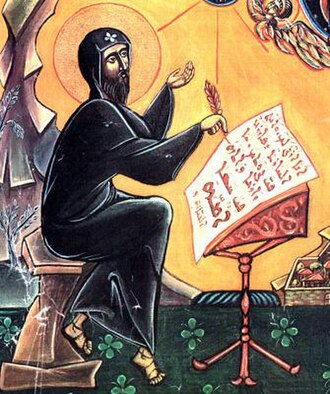
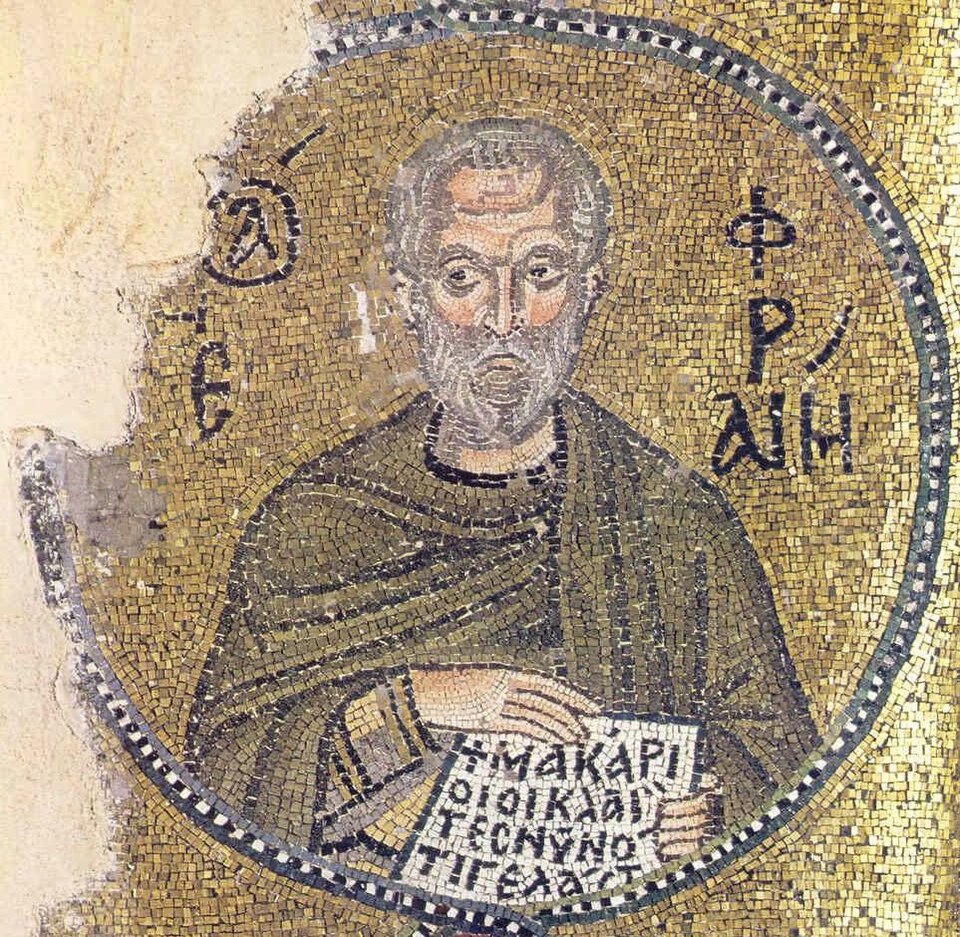
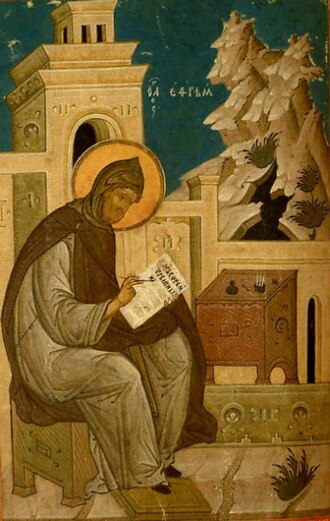
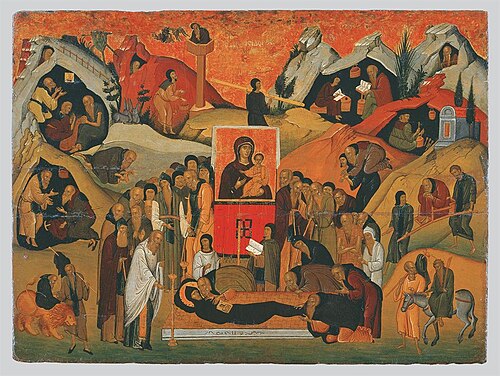
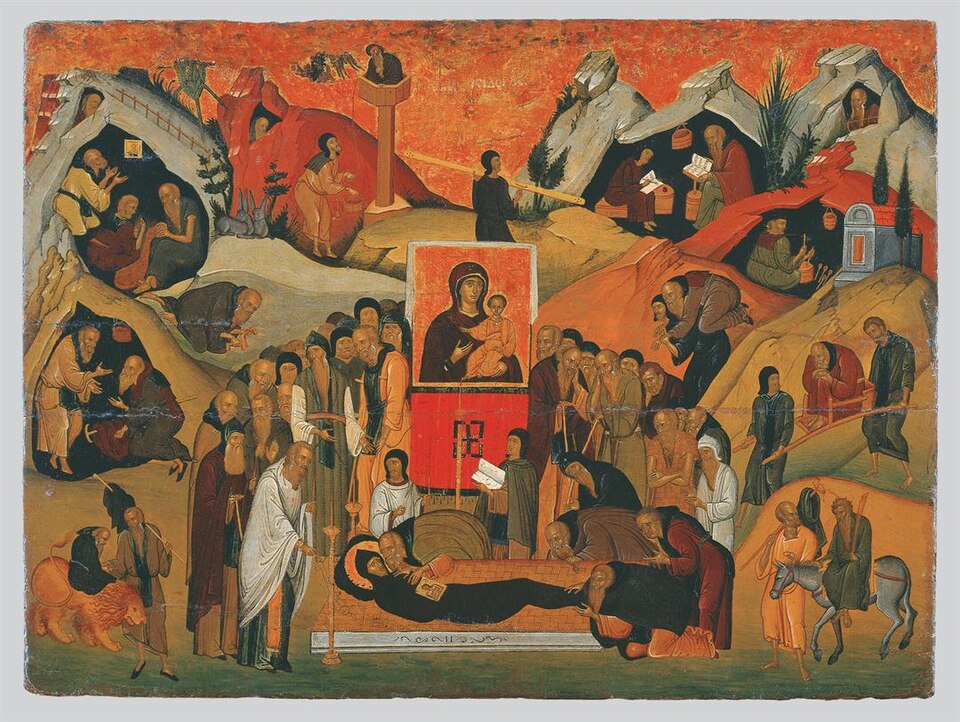
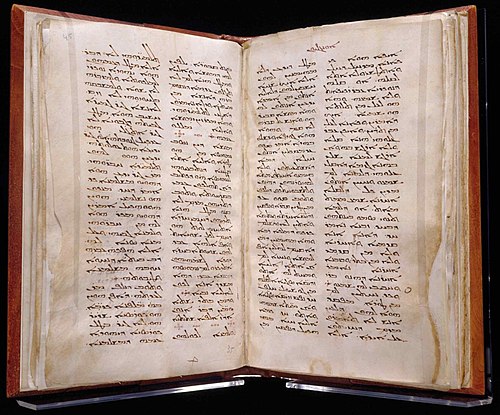
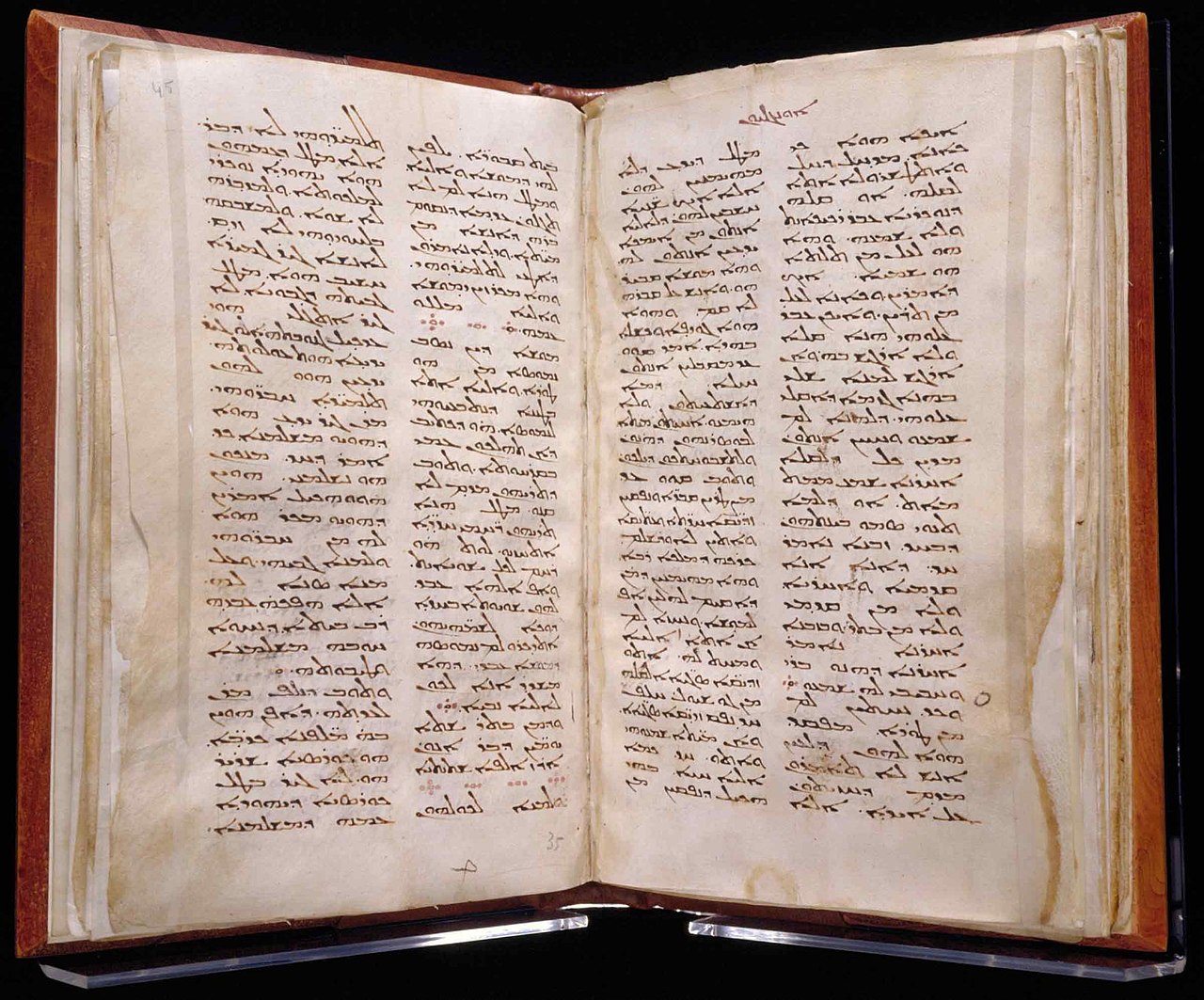
The greatest poet of the patristic age wrote no Latin and no Greek. A deacon and catechist of Nisibis on the Persian frontier, Ephrem taught theology in madrāšê — stanzaic hymns sung by women’s choirs he trained himself — through three Persian sieges, until Rome ceded the city in 363 and he trudged with the refugees to Edessa. Over four hundred hymns survive: on faith, on Paradise, against heresies, cycles for the feasts, laments for Nisibis, all working in paradox and image where the Greeks worked in definition — “the Lord entered her, and became a servant… the Rich went in, and came out poor.” He organized famine relief in Edessa’s winter of 372–3 and died, probably of plague caught at the work, that June.
Common questions
When did Ephrem live?
Ephrem the Syrian is dated c. 306 – 373 in the archive, which places Ephrem in the Nicene Age (AD 313–400). The dating is traditional and approximate; the archive marks it as uncertain rather than fixing a year the sources do not give.
What did Ephrem write?
Ephrem the Syrian has 2 catalogued writings in the archive: Hymns on the Nativity and The Prayer of St. Ephrem (attributed).
Which early sources mention Ephrem?
Ephrem the Syrian is named in 4 primary-source passages catalogued here, drawn from Ephrem the Syrian, Jerome of Stridon, Sozomen and Theodoret of Cyrrhus. Every passage is quoted from a named public-domain translation, earliest first.
Where was Ephrem from?
The archive associates Ephrem the Syrian with Nisibis, Edessa. The sources record more than one location, so the places are listed in the order the record moves through them.
Writings (2)
Hymns on the Nativity
c. 350–370The Lord entered her, and became a servant; the Word entered her, and became silent within her; thunder entered her, and His voice was still; the Shepherd of all entered her — He became a Lamb in her, and came forth bleating.Read the interlinear source text →
The Prayer of St. Ephrem (attributed)
Lenten, and traditionally his; the date is unrecoverableO Lord and Master of my life, take from me the spirit of sloth, faint-heartedness, lust of power, and idle talk; but give rather the spirit of chastity, humility, patience, and love to Thy servant.Read the interlinear source text →
Primary-source mentions (4)
Every passage below is quoted from a named public-domain translation, earliest first.
The Hymns of Ephrem · The Prayer of St Ephrem
c. AD 370Blessed be that Child, who gladdened Bethlehem today! Blessed be the Babe who made manhood young again today!… O Lord and Master of my life, give me not a spirit of sloth, of despond, of lust of power, and of vain speaking. (The Lenten prayer, attributed.)Ephrem the Syrian · source text
On Illustrious Men 115 ('his writings are publicly read in some churches after the scriptures')
c. AD 392Ephrem, deacon of the church at Edessa, attained such distinction that his writings are repeated publicly in some churches, after the reading of the Scriptures.Jerome of Stridon · On Illustrious Men 115 · source text
Church History III.16 (the long Greek notice of the Syrian deacon)
c. AD 445Ecclesiastical History IV.29 (the harp of the Spirit remembered)
c. AD 449Connected in the archive
Commented on Tatian’s Diatessaron, the Syriac gospel of his churches; admired in Basil’s circle within his lifetime
People
- Tatian the Assyrian
- Basil the Great
- Bardaisan of Edessa
- James of Nisibis
- Aphrahat the Persian Sage
- Abraham Kidunaia
- Julian Saba
- Shapur II
- Philippus
Events in this lifetime
- AD 306 · The Council of Elvira, AD 306
- AD 311 · Galerius’ edict of Serdica, AD 311
- AD 313 · The Edict of Milan, AD 313
- AD 314 · The Council of Arles, AD 314
- AD 320 · Silvanus tried before Zenophilus, AD 320
- AD 325 · The Council of Nicaea, AD 325
- AD 339 · The persecution of Shapur II, AD 339
- AD 343 · The Council of Serdica, AD 343
- AD 361 · Julian’s pagan restoration, AD 361
- AD 366 · Damasus and the catacomb epigrams, AD 366
- AD 367 · Athanasius lists the 27 NT books, AD 367
- AD 372 · The martyrdom of Sabbas the Goth, AD 372
Place
Places served
The 2 places the sources put Ephrem, in the order the record moves through them. This is what the sources attest, not a reconstructed route.