The Nicene Age · AD 313–400
Athanasius of Alexandria
c. 296 – 373 · Bishop of Alexandria · Defender of Nicaea · Alexandria
The Nicene Age
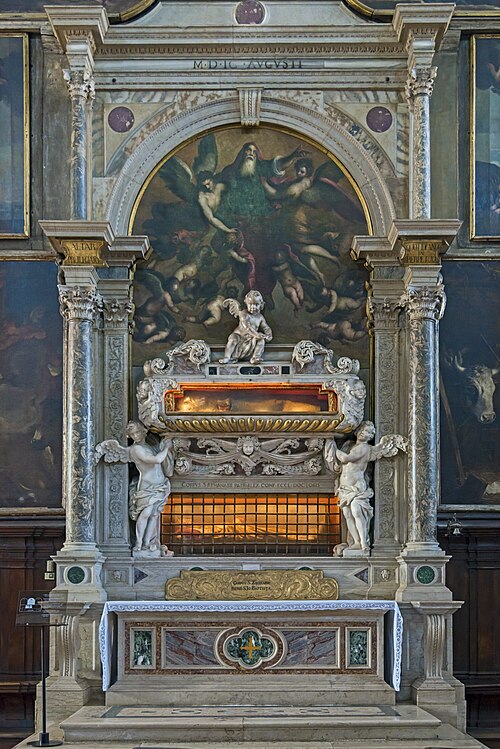
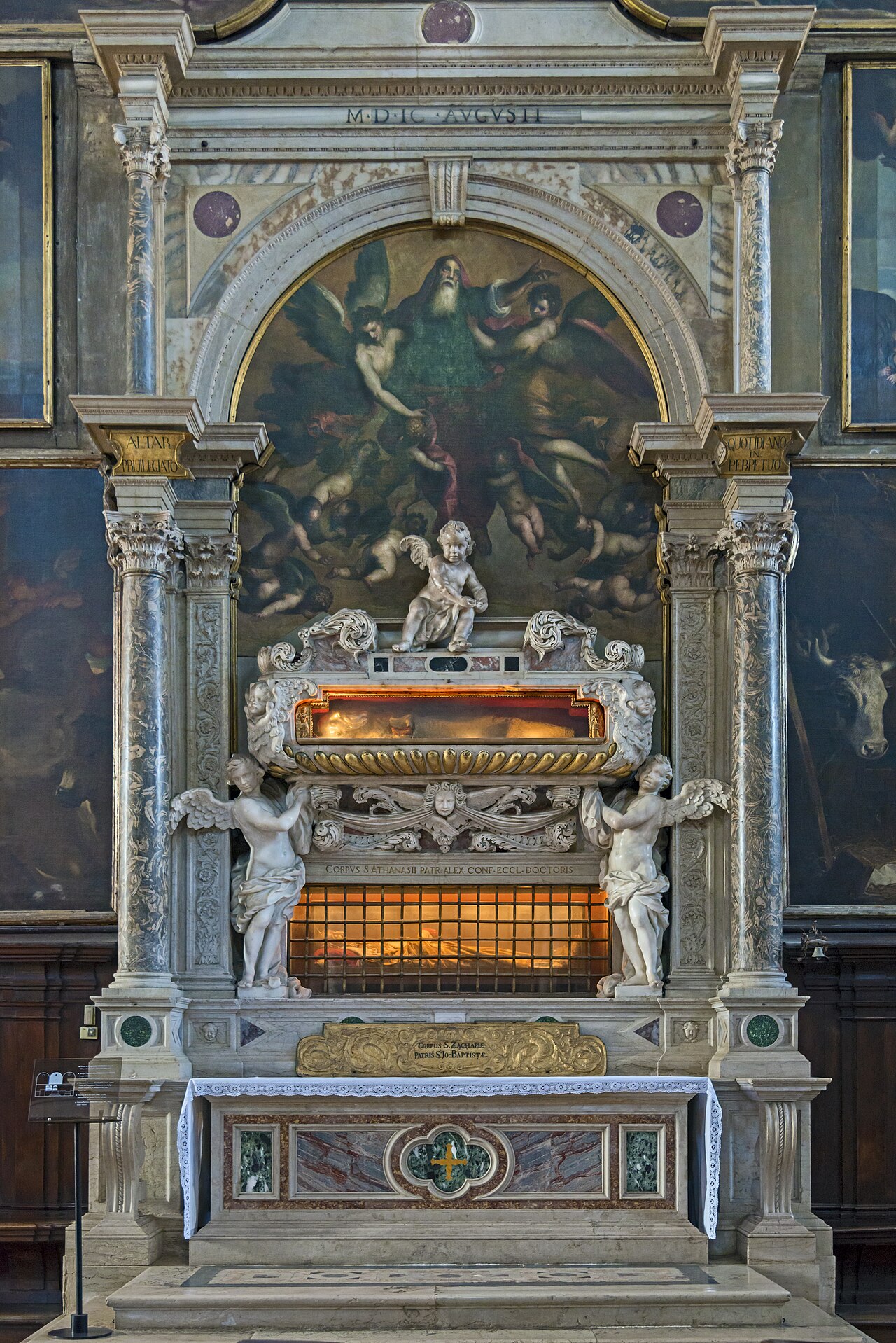


Who Athanasius of Alexandria was
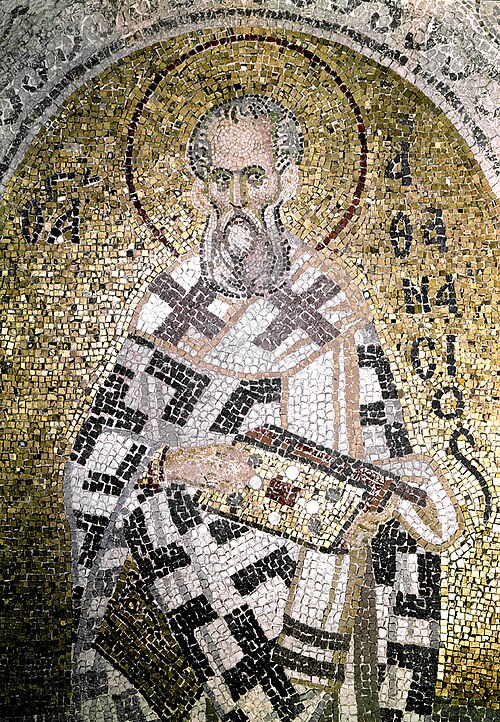
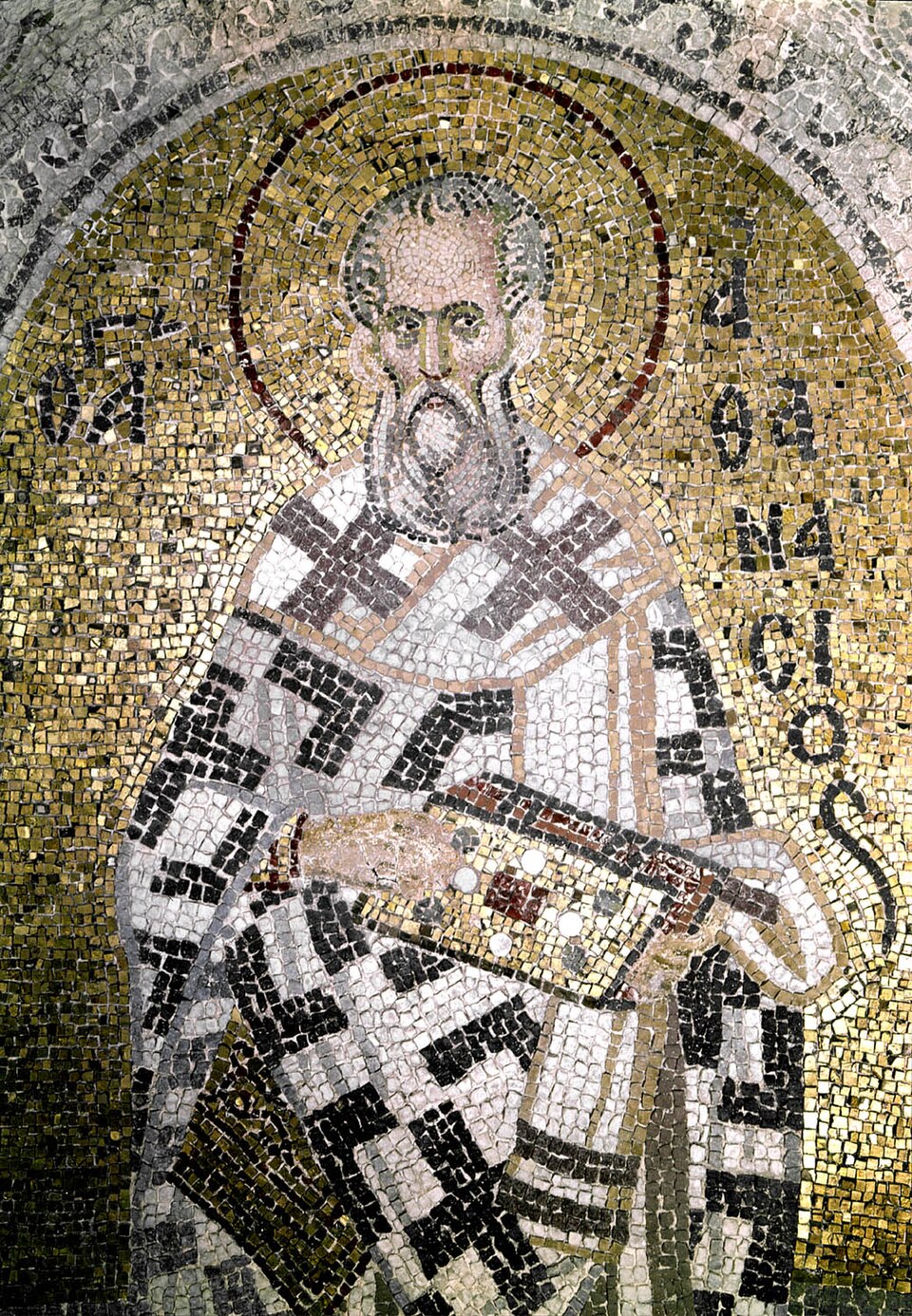
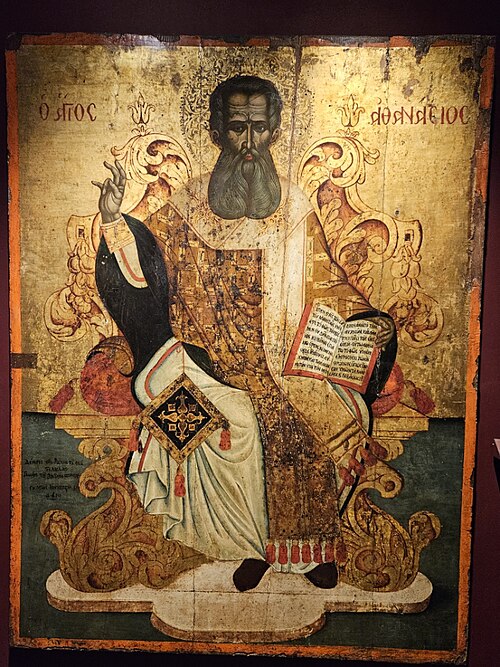
A small, dark, tireless Alexandrian deacon at Nicaea in 325, Athanasius became bishop three years later and spent forty-five years — seventeen of them in five exiles under four emperors — defending the council’s word homoousios: the Son is of one being with the Father. “Athanasius against the world,” the proverb ran. His On the Incarnation, written in youth, remains the classic statement of why God became man; his Life of Antony invented monastic biography; his Orations against the Arians armed a generation; and his Easter letter of 367 gives the first list of the New Testament’s twenty-seven books exactly as they stand. He died in his bed in 373, the argument won in all but name.
Also listed in the bishops of Alexandria.
Common questions
When did Athanasius live?
Athanasius of Alexandria is dated c. 296 – 373 in the archive, which places Athanasius in the Nicene Age (AD 313–400). The dating is traditional and approximate; the archive marks it as uncertain rather than fixing a year the sources do not give.
What did Athanasius write?
Athanasius of Alexandria has 2 catalogued writings in the archive: On the Incarnation of the Word and Festal Letter 39 (the New Testament canon).
Which early sources mention Athanasius?
Athanasius of Alexandria is named in 5 primary-source passages catalogued here, drawn from Athanasius of Alexandria, Emperor Julian, Gregory of Nazianzus and Ammianus Marcellinus. Every passage is quoted from a named public-domain translation, earliest first.
Where was Athanasius from?
The archive associates Athanasius of Alexandria with Alexandria.
Writings (2)
On the Incarnation of the Word
c. 318–328He was made man that we might be made God; and He manifested Himself by a body that we might receive the idea of the unseen Father.Read the interlinear source text →
Festal Letter 39 (the New Testament canon)
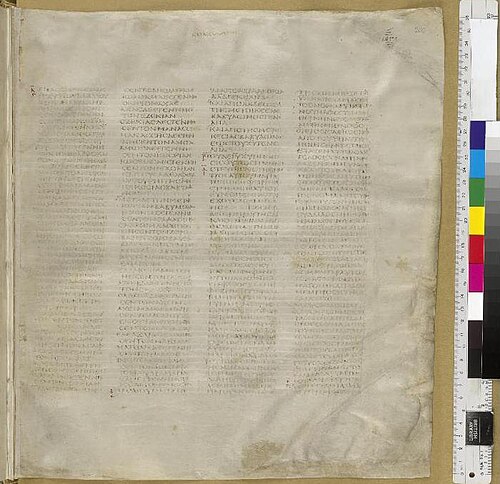
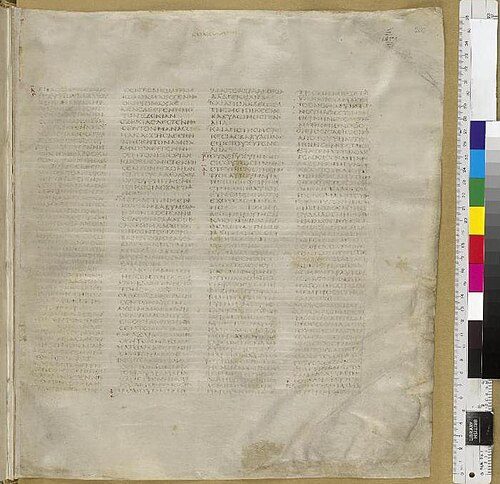
367These are fountains of salvation, that they who thirst may be satisfied with the living words they contain. In these alone is proclaimed the doctrine of godliness. Let no man add to these, neither let him take ought from these.Read the interlinear source text →
Primary-source mentions (5)
Every passage below is quoted from a named public-domain translation, earliest first.
On the Incarnation of the Word (De Incarnatione)
c. AD 350For He was made man that we might be made God; and He manifested Himself by a body that we might receive the idea of the unseen Father; and He endured the insolence of men that we might inherit immortality.Athanasius of Alexandria · source text
Julian, Edict to the Alexandrians (the emperor demands 'the enemy of the gods' depart)
c. AD 362I command that Athanasius, the enemy of the gods, depart from the city.Emperor Julian · Edict to the Alexandrians · source text
Oration 21 ('In praising Athanasius, I shall be praising virtue itself')
c. AD 380In praising Athanasius, I shall be praising virtue itself.Gregory of Nazianzus · Oration 21 · source text
Res Gestae XV.7 (the bishop in the pagan historian's Rome dispatches)
c. AD 390On Illustrious Men 87
c. AD 392Athanasius, bishop of Alexandria, hard pressed by the wiles of the Arians, fled to Constans, emperor of Gaul.Jerome of Stridon · On Illustrious Men 87 · source text
Connected in the archive
Deacon to bishop Alexander at Nicaea; biographer of Anthony; vindicated posthumously by the generation of Basil and the council of 381
People
- Anthony the Great
- Constantine the Great
- Basil the Great
- Gregory of Nazianzus
- Alexander of Alexandria
- Colluthus of Alexandria
- Arius
- Constantine II
- Eusebius of Nicomedia
- Potamon of Heraclea
- Arsenius of Hypsele
- Gregory of Cappadocia
- Ischyras of the Mareotis
- Maximin of Trier
- Pachomius the Great
- Emperor Constans
- Maximus of Jerusalem
- Paul of Constantinople
- Julius I of Rome
- Balacius the Dux
- Theodore of Heraclea
- Leontius of Antioch
- Paulinus of Trier
- Eustathius of Antioch
- Ezana (Aizanas) of Axum
- Hieracas of Leontopolis
- Emperor Constantius II
- George of Cappadocia
- Macedonius of Constantinople
- Emperor Jovian
- Serapion of Thmuis
- Liberius of Rome
- Hilary of Poitiers
- Theodore of Tabennese
- Audius of Mesopotamia
- Lucifer of Cagliari
- Eusebius of Vercelli
- Ursacius of Singidunum
- Marcellus of Ancyra
- Emperor Valens
- Lucius of Alexandria
- Valens of Mursa
- Peter II of Alexandria
- Frumentius of Axum
- Servatius of Tongeren
- Cyril of Jerusalem
- Apollinaris of Laodicea
- Evagrius of Antioch
- Didymus the Blind
- Isidore the Hosteller
- Sazana of Axum
- Moses the Saracen
- Patrophilus of Scythopolis
Events in this lifetime
- AD 301 · Hripsime and her company, AD 301
- AD 303 · The Great Persecution begins, AD 303
- AD 303 · The search of the church at Cirta, AD 303
- AD 306 · The Council of Elvira, AD 306
- AD 311 · Galerius’ edict of Serdica, AD 311
- AD 313 · The Edict of Milan, AD 313
- AD 314 · The Council of Arles, AD 314
- AD 320 · Silvanus tried before Zenophilus, AD 320
- AD 325 · The Council of Nicaea, AD 325
- AD 339 · The persecution of Shapur II, AD 339
- AD 343 · The Council of Serdica, AD 343
- AD 361 · Julian’s pagan restoration, AD 361
- AD 366 · Damasus and the catacomb epigrams, AD 366
- AD 367 · Athanasius lists the 27 NT books, AD 367
Place
Places served
The one place the sources put Athanasius.