The Nicene Age · AD 313–400
Gregory of Nazianzus
Also known as “the Theologian”
329 – 390 · Archbishop of Constantinople · “The Theologian” · Nazianzus → Constantinople
The Nicene Age
.jpg)
.jpg)


Who Gregory of Nazianzus was
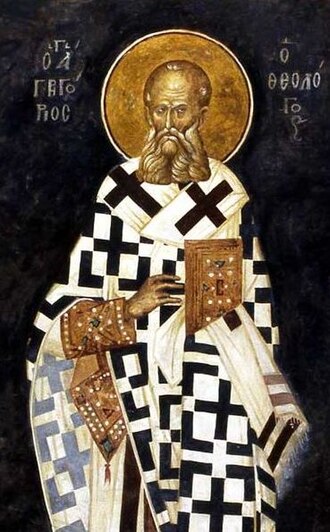
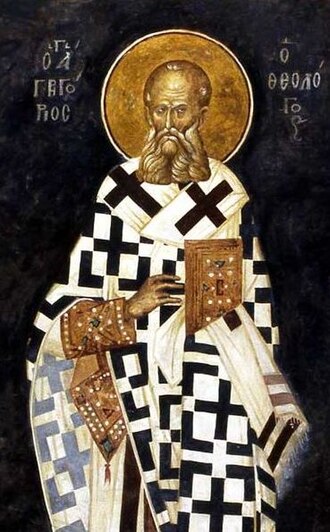
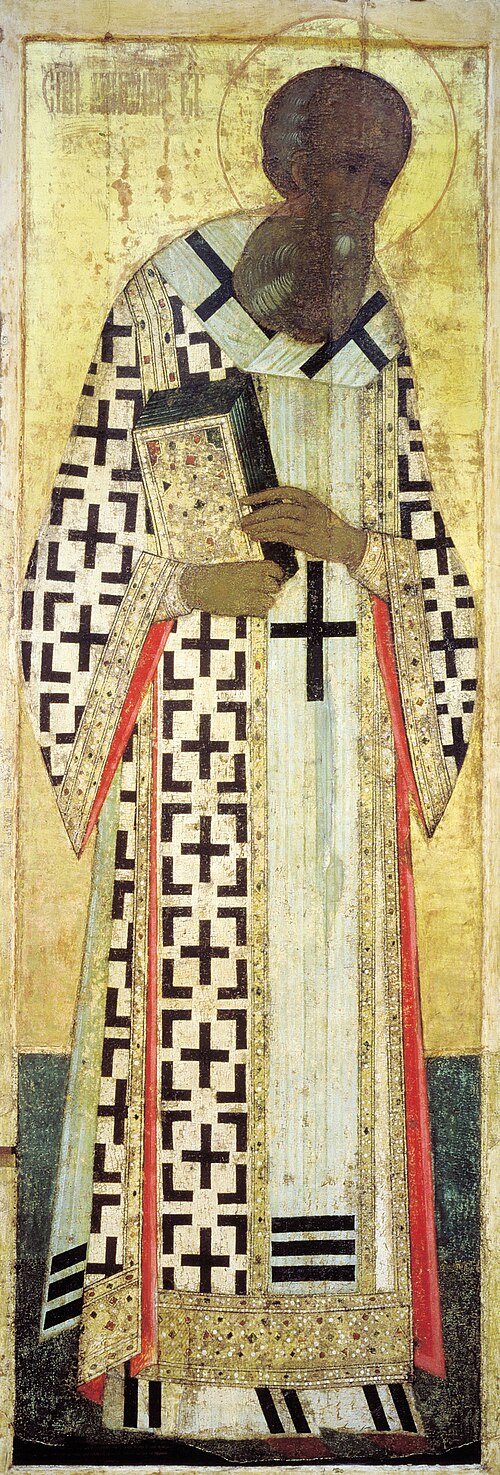
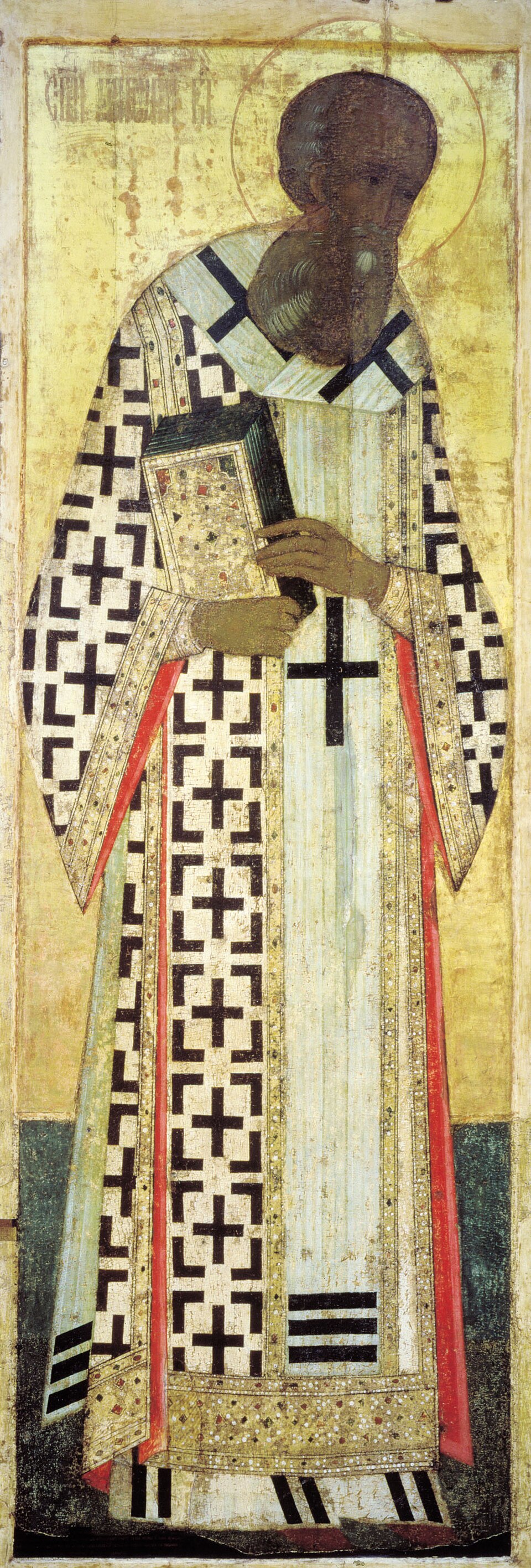
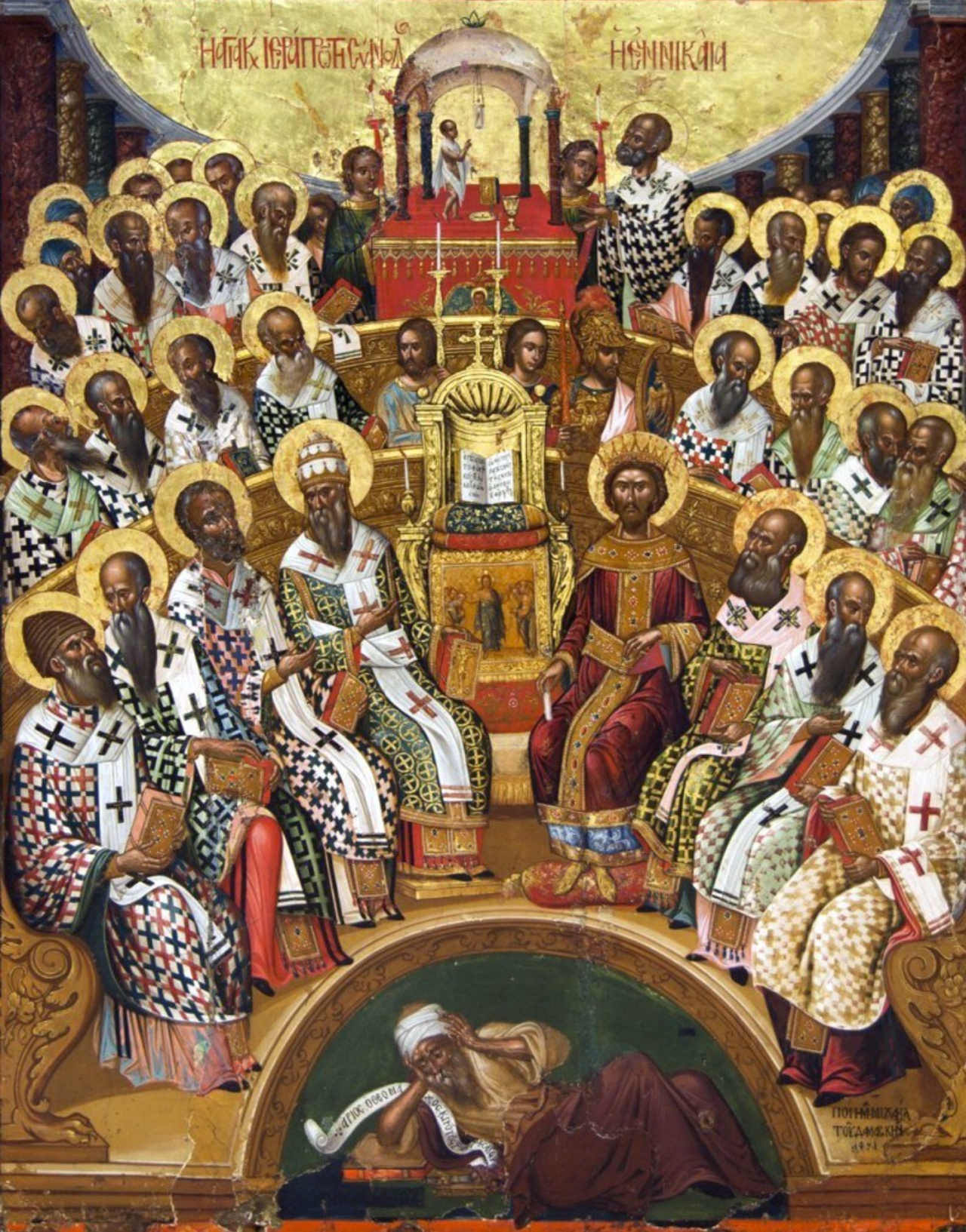
The reluctant genius of the fourth century, Gregory wanted a life of contemplative retirement and was serially ambushed into ordinations — by his father, by Basil, finally by the Nicene remnant of Constantinople, who in 379 called him to a city whose every church was Arian. In the chapel of the Anastasia (“Resurrection”) he preached the Five Theological Orations that earned him, alone with the apostle John, the byzantine title “the Theologian”: the doctrine of the Trinity argued with a poet’s precision. He presided briefly over the council of 381, resigned mid-session when his election was contested — his farewell address is a masterpiece of wounded grace — and retired to write poems, including the first Christian verse autobiography.
Also listed in the bishops of Constantinople.
Common questions
When did Gregory live?
Gregory of Nazianzus is dated 329 – 390 in the archive, which places Gregory in the Nicene Age (AD 313–400).
What did Gregory write?
Gregory of Nazianzus has 2 catalogued writings in the archive: Five Theological Orations and Letter to Cledonius (against Apollinaris).
Which early sources mention Gregory?
Gregory of Nazianzus is named in 4 primary-source passages catalogued here, drawn from Basil of Caesarea, Gregory of Nazianzus, Jerome of Stridon and Socrates Scholasticus. Every passage is quoted from a named public-domain translation, earliest first.
Where was Gregory from?
The archive associates Gregory of Nazianzus with Nazianzus, Constantinople. The sources record more than one location, so the places are listed in the order the record moves through them.
Writings (2)
Five Theological Orations
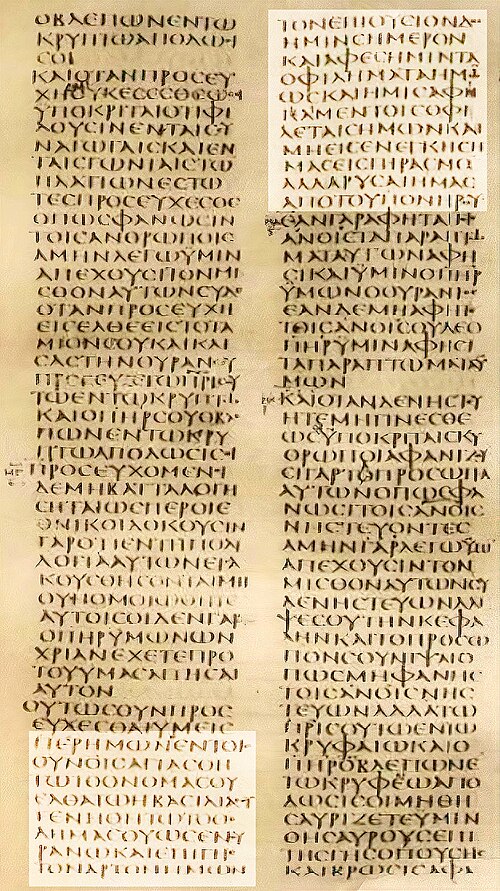
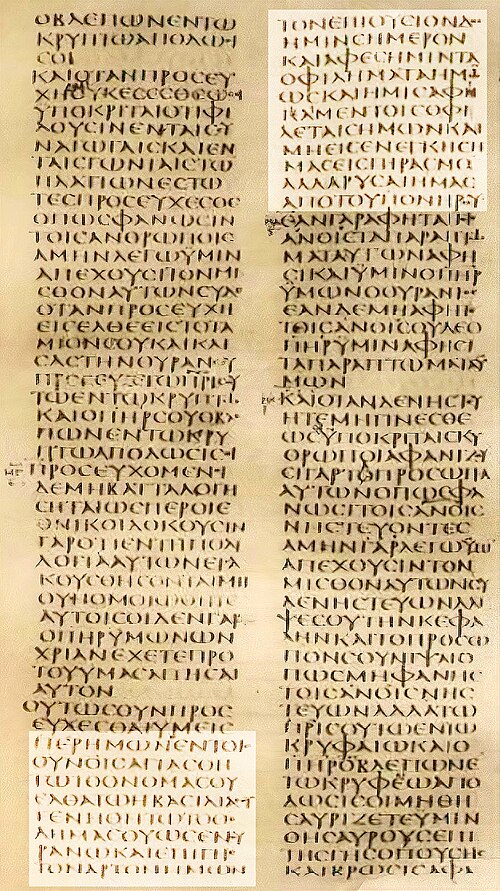
380No sooner do I conceive of the One than I am illumined by the splendour of the Three; no sooner do I distinguish Them than I am carried back to the One.Read the interlinear source text →
Letter to Cledonius (against Apollinaris)
c. 382For that which He has not assumed He has not healed; but that which is united to His Godhead is also saved.Read the interlinear source text →
Primary-source mentions (4)
Every passage below is quoted from a named public-domain translation, earliest first.
Letter 14 of Basil (the friendship's own correspondence)
c. AD 371The Orations of Gregory of Nazianzus
c. AD 380Christ is born, glorify ye Him. Christ from heaven, go ye out to meet Him. Christ on earth, be ye exalted… (Or. 7, for Caesarius:) He was and would remain a Christian — preferring Christ to all the emperor could give.Gregory of Nazianzus · source text
On Illustrious Men 117 ('my teacher, whom I call master')
c. AD 392Gregory, bishop of Nazianzus, a most eloquent man, my preceptor, by whom I was instructed in the Scriptures.Jerome of Stridon · On Illustrious Men 117 · source text
Ecclesiastical History V.7 (installed in the capital by the emperor)
c. AD 440Connected in the archive
Athens roommate and lifelong friend of Basil; his letters demolished Apollinarianism; the young Jerome sat in his Constantinople lectures
People
- Basil the Great
- Gregory of Nyssa
- Jerome of Stridon
- Cyril of Jerusalem
- Emperor Julian the Apostate
- Mark of Arethusa
- Caesarius of Nazianzus
- Gorgonia of Nazianzus
- Athanasius of Alexandria
- Gregory the Elder of Nazianzus
- Nonna of Nazianzus
- Eusebius of Samosata
- Maximus the Cynic
- Demophilus of Constantinople
- Apollinaris of Laodicea
- Amphilochius of Iconium
- Emperor Theodosius I
- Nectarius of Constantinople
- Evagrius Ponticus
Events in this lifetime
- AD 339 · The persecution of Shapur II, AD 339
- AD 343 · The Council of Serdica, AD 343
- AD 361 · Julian’s pagan restoration, AD 361
- AD 366 · Damasus and the catacomb epigrams, AD 366
- AD 367 · Athanasius lists the 27 NT books, AD 367
- AD 372 · The martyrdom of Sabbas the Goth, AD 372
- AD 378 · Queen Mavia’s revolt, AD 378
- AD 380 · The Edict of Thessalonica, AD 380
- AD 381 · The Council of Constantinople, AD 381
- AD 381 · The Council of Aquileia, AD 381
- AD 384 · The Altar of Victory petition, AD 384
- AD 390 · Thessalonica and the penance of Theodosius, AD 390
Place
Places served
The 2 places the sources put Gregory, in the order the record moves through them. This is what the sources attest, not a reconstructed route.