The Nicene Age · AD 313–400
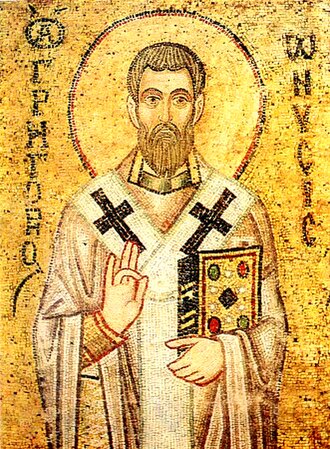
Gregory of Nyssa
c. 335 – c. 395 · Bishop of Nyssa · Mystical theologian · Nyssa, Cappadocia
The Nicene Age
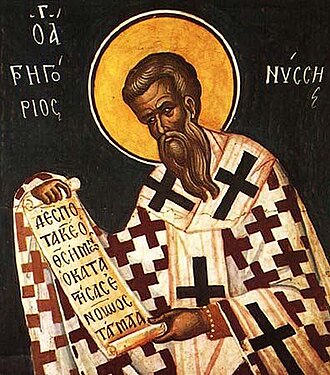
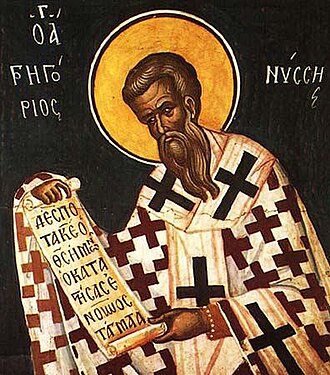
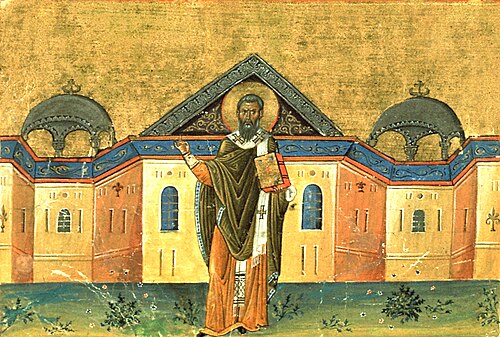
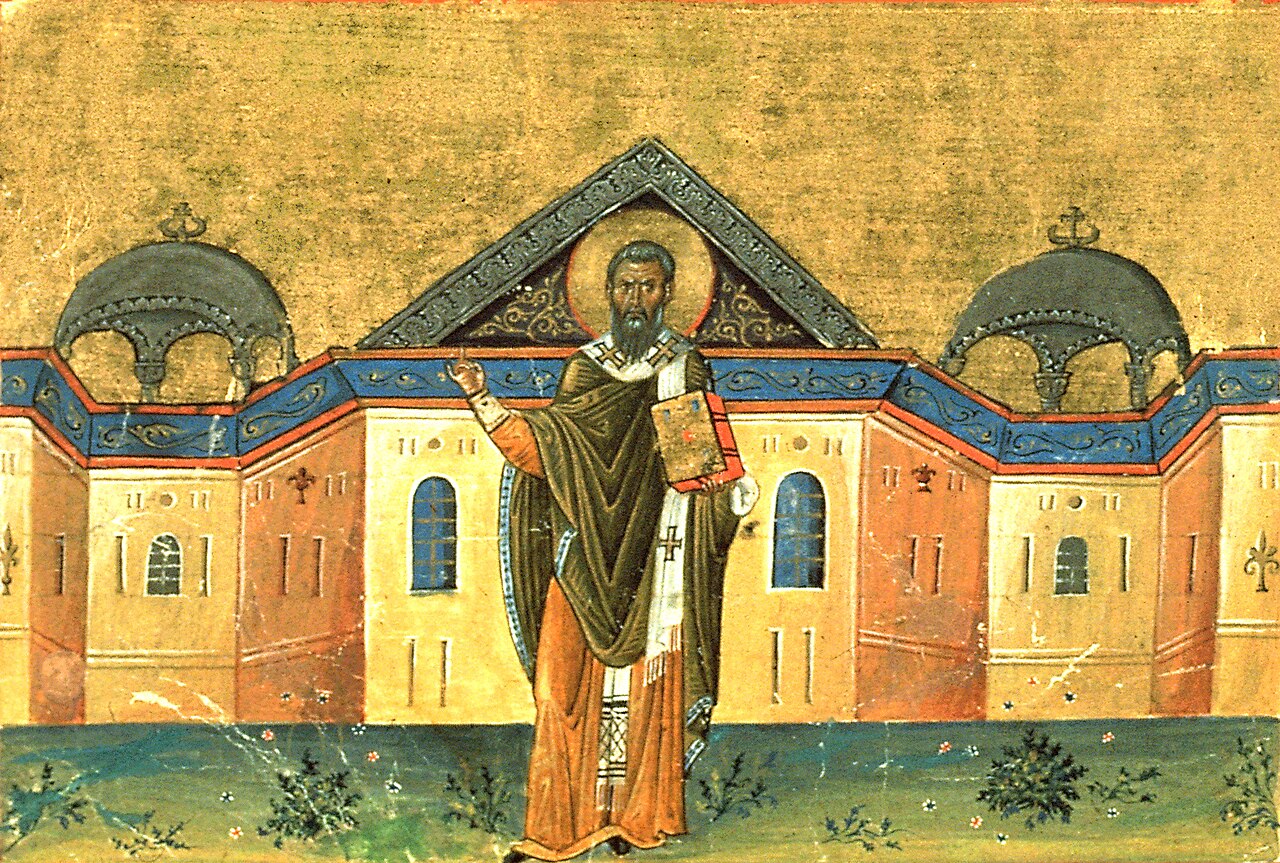
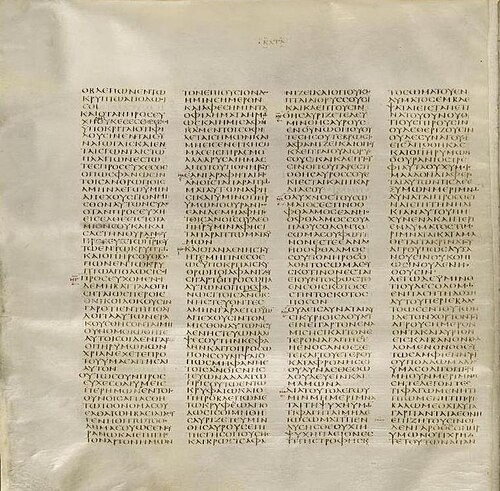
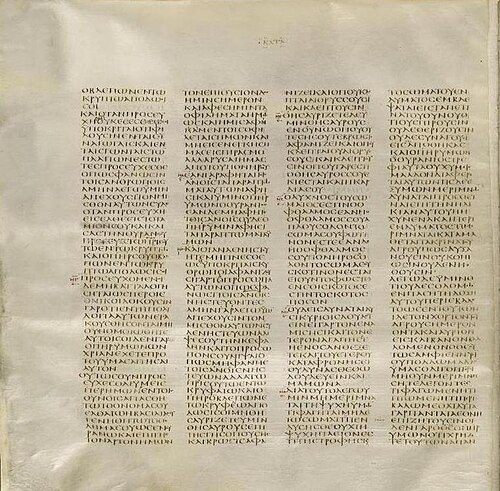

.jpg)


Who Gregory of Nyssa was
The younger brother — of Basil, who made him bishop of the small town of Nyssa (“I do not want you to be distinguished by your see but to distinguish it”), and of Macrina, at whose deathbed he set his profoundest dialogue. Deposed by Arian intrigue, restored, then suddenly indispensable after Basil’s death, Gregory finished his brother’s fights (Against Eunomius), completed his Hexaemeron, and preached at the council of 381 and imperial funerals. But his originality lies in the mystical works: the Life of Moses and homilies on the Song of Songs, where perfection is epektasis — an infinite stretching-forward into an infinite God, desire without terminus. Christian mysticism’s vocabulary begins here.
Also listed in bishops beyond the great sees.
Common questions
When did Gregory live?
Gregory of Nyssa is dated c. 335 – c. 395 in the archive, which places Gregory in the Nicene Age (AD 313–400). The dating is traditional and approximate; the archive marks it as uncertain rather than fixing a year the sources do not give.
What did Gregory write?
Gregory of Nyssa has 2 catalogued writings in the archive: The Life of Moses and On the Soul and the Resurrection.
Which early sources mention Gregory?
Gregory of Nyssa is named in 4 primary-source passages catalogued here, drawn from Basil of Caesarea, Gregory of Nyssa, Jerome of Stridon and Theodoret of Cyrrhus. Every passage is quoted from a named public-domain translation, earliest first.
Where was Gregory from?
The archive associates Gregory of Nyssa with Nyssa, Cappadocia. The sources record more than one location, so the places are listed in the order the record moves through them.
Writings (2)
The Life of Moses
c. 390This truly is the vision of God: never to be satisfied in the desire to see him. But one must always, by looking at what he can see, rekindle his desire to see more.Read the interlinear source text →
On the Soul and the Resurrection
c. 380His deathbed dialogue with Macrina on death, the soul, and the resurrection — grief given the form of philosophy, with his sister as the Teacher.Read the interlinear source text →
Primary-source mentions (4)
Every passage below is quoted from a named public-domain translation, earliest first.
Letter 58 (Basil on his guileless brother)
c. AD 372The Life of Moses
c. AD 380This is truly to see God: never to find satiety of the desiring… The one thing dreadful is to fall from God's friendship; the perfection of life is to be God's friend. Always stretching out to what lies ahead — this is the soul's likeness to the ever-flowing Good.Gregory of Nyssa · source text
On Illustrious Men 128 (the Against Eunomius read aloud to Jerome and Gregory)
c. AD 392Gregory, bishop of Nyssa, the brother of Basil of Caesarea, a few years since read to me and Gregory Nazianzen a work against Eunomius.Jerome of Stridon · On Illustrious Men 128 · source text
Ecclesiastical History V.8 (among the fathers of 381)
c. AD 449Connected in the archive
Brother of Basil and Macrina, whose dying conversation he wrote down; completed Basil’s doctrinal battles at the council of 381
People
- Basil the Great
- Macrina the Younger
- Gregory of Nazianzus
- Meletius of Antioch
- Aelia Flaccilla
- Apollinaris of Laodicea
- Peter of Sebaste
- Eunomius of Cyzicus
Events in this lifetime
- AD 339 · The persecution of Shapur II, AD 339
- AD 343 · The Council of Serdica, AD 343
- AD 361 · Julian’s pagan restoration, AD 361
- AD 366 · Damasus and the catacomb epigrams, AD 366
- AD 367 · Athanasius lists the 27 NT books, AD 367
- AD 372 · The martyrdom of Sabbas the Goth, AD 372
- AD 378 · Queen Mavia’s revolt, AD 378
- AD 380 · The Edict of Thessalonica, AD 380
- AD 381 · The Council of Constantinople, AD 381
- AD 381 · The Council of Aquileia, AD 381
- AD 384 · The Altar of Victory petition, AD 384
- AD 390 · Thessalonica and the penance of Theodosius, AD 390
Place
Places served
The 2 places the sources put Gregory, in the order the record moves through them. This is what the sources attest, not a reconstructed route.
- 1Nyssa
- 2Cappadociaprovince only