The Nicene Age · AD 313–400
Macrina the Younger
c. 327 – 379 · Ascetic · “The Teacher” of the Cappadocians · Annisa, Pontus
The Nicene Age
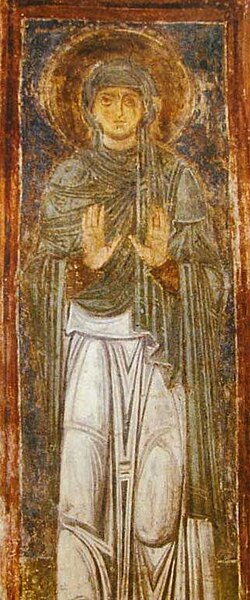
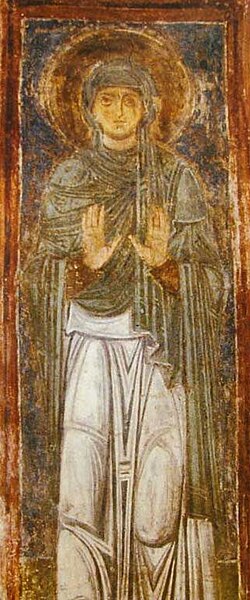
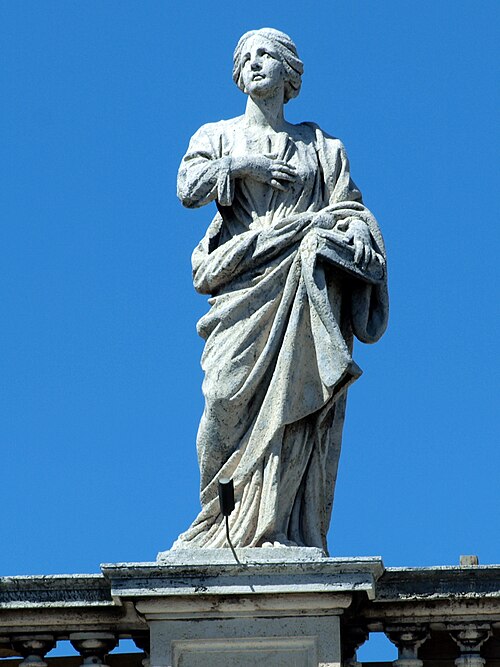
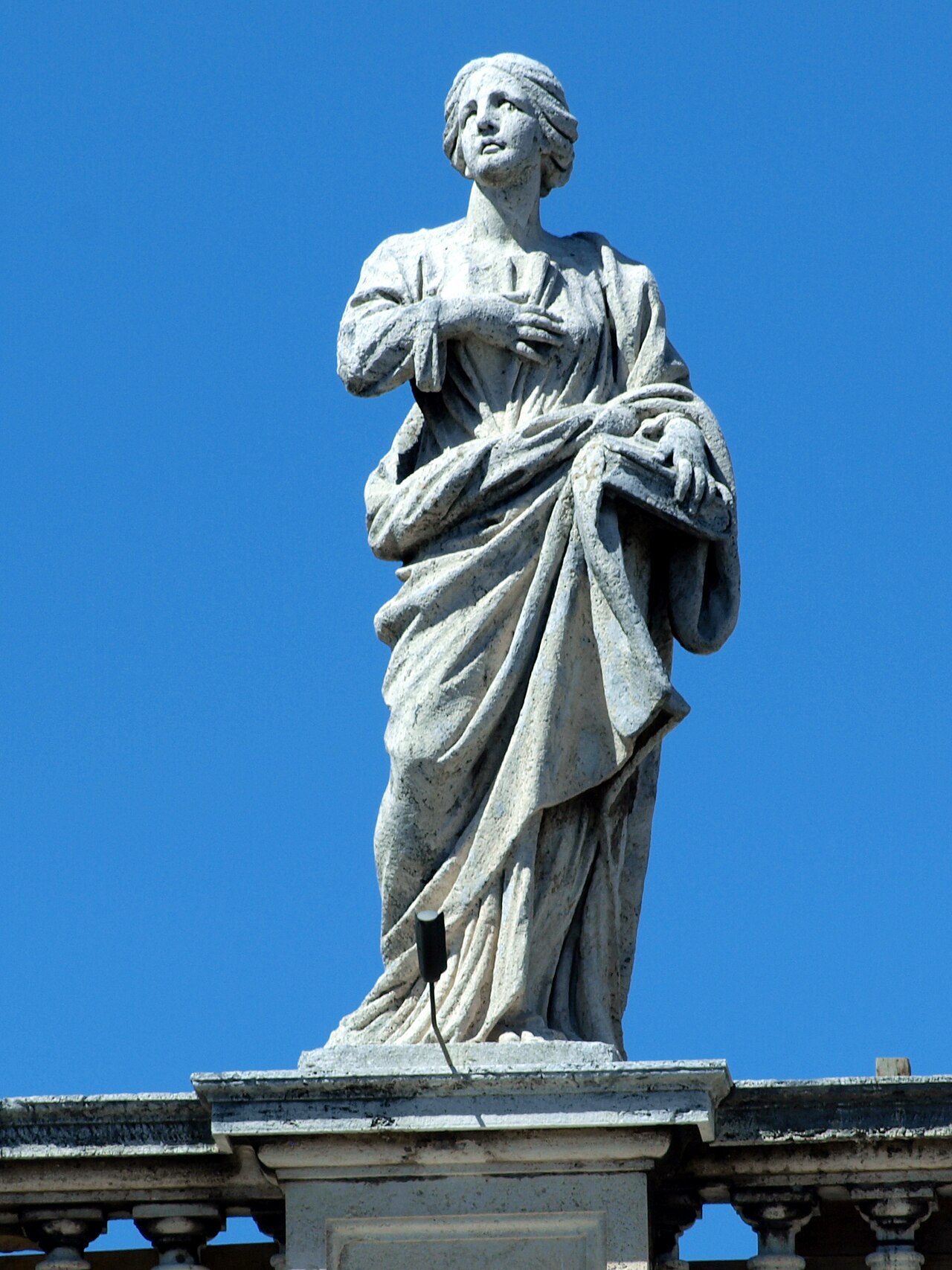


.jpg)

Who Macrina the Younger was
Eldest of ten children in a Pontic family that had kept the faith of Gregory Thaumaturgus through two persecutions, Macrina was betrothed at twelve; when the young man died she declared herself, by that pledge, already married and free — and remade the family estate at Annisa into one of Christianity’s first monastic communities, where former slaves and mistresses kept one table. When her brother Basil came home from Athens “monstrously conceited about his rhetoric,” their brother Gregory reports, it was Macrina who “took him in hand” and turned him toward philosophy in her sense of it. Gregory of Nyssa enshrined her as “the Teacher” in two works: the tender Life of Macrina, and On the Soul and the Resurrection, a deathbed dialogue in which she plays Socrates.
Also listed in women and desert fathers & mothers.
Common questions
When did Macrina live?
Macrina the Younger is dated c. 327 – 379 in the archive, which places Macrina in the Nicene Age (AD 313–400). The dating is traditional and approximate; the archive marks it as uncertain rather than fixing a year the sources do not give.
What did Macrina write?
Macrina the Younger has 2 catalogued writings in the archive: Her deathbed prayer (in Gregory’s Life of Macrina) and On the Soul and the Resurrection (her dialogue with Gregory).
Which early sources mention Macrina?
Macrina the Younger is named in 2 primary-source passages catalogued here, drawn from Gregory of Nyssa. Every passage is quoted from a named public-domain translation, earliest first.
Where was Macrina from?
The archive associates Macrina the Younger with Annisa, Pontus. The sources record more than one location, so the places are listed in the order the record moves through them.
Writings (2)
Her deathbed prayer (in Gregory’s Life of Macrina)
379Thou, O Lord, hast freed us from the fear of death; Thou hast made the end of this life the beginning to us of true life… Thou didst break the flaming sword and didst restore to Paradise the man that was crucified with Thee and implored Thy mercies.Read the interlinear source text →
On the Soul and the Resurrection (her dialogue with Gregory)
c. 380The soul is an essence created, and living, and intellectual, transmitting from itself to an organized and sentient body the power of living… — Macrina, as recorded by her brotherRead the interlinear source text →
Primary-source mentions (2)
Every passage below is quoted from a named public-domain translation, earliest first.
On the Soul and the Resurrection (the dying sister as 'the Teacher' of the whole dialogue)
c. AD 380The Life of Macrina
c. AD 380Thou, O Lord, hast freed us from the fear of death; Thou hast made the end of this life the beginning to us of true life… and dost give our bodies to rest in sleep in due season, and awakest them again at the last trump.Gregory of Nyssa · source text
Connected in the archive
Sister and shaper of Basil, Gregory of Nyssa, and Peter of Sebaste; heir of Gregory Thaumaturgus’s Pontic tradition
People
- Basil the Great
- Gregory of Nyssa
- Gregory Thaumaturgus
- Macrina the Elder
- Chrysapius of Annisa
- Naucratius of Annisa
- Emmelia of Caesarea
- Peter of Sebaste
Events in this lifetime
- AD 339 · The persecution of Shapur II, AD 339
- AD 343 · The Council of Serdica, AD 343
- AD 361 · Julian’s pagan restoration, AD 361
- AD 366 · Damasus and the catacomb epigrams, AD 366
- AD 367 · Athanasius lists the 27 NT books, AD 367
- AD 372 · The martyrdom of Sabbas the Goth, AD 372
- AD 378 · Queen Mavia’s revolt, AD 378
Place
Places served
The 2 places the sources put Macrina, in the order the record moves through them. This is what the sources attest, not a reconstructed route.