The Ante-Nicene Church · AD 180–313
Gregory Thaumaturgus
Also known as Theodore of Neocaesarea
c. 213 – c. 270 · Bishop of Neocaesarea · “The Wonder-worker” · Neocaesarea, Pontus
The Ante-Nicene Church
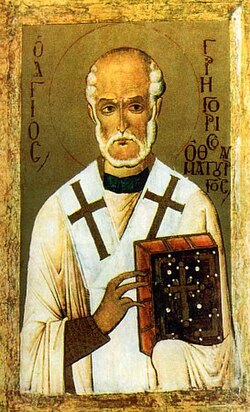
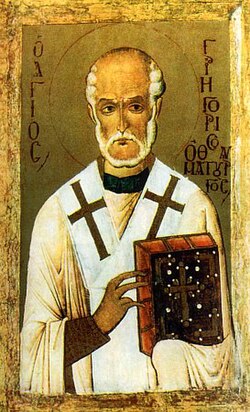
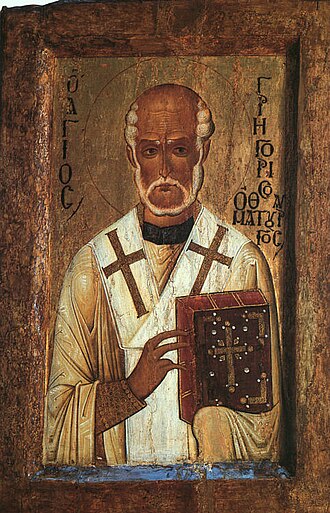
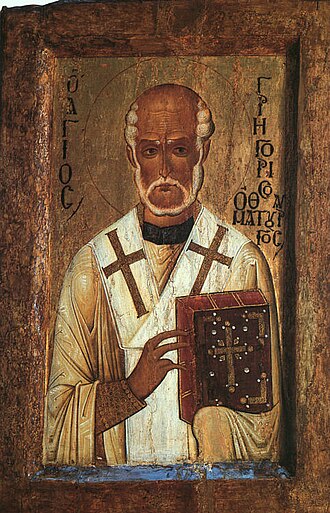
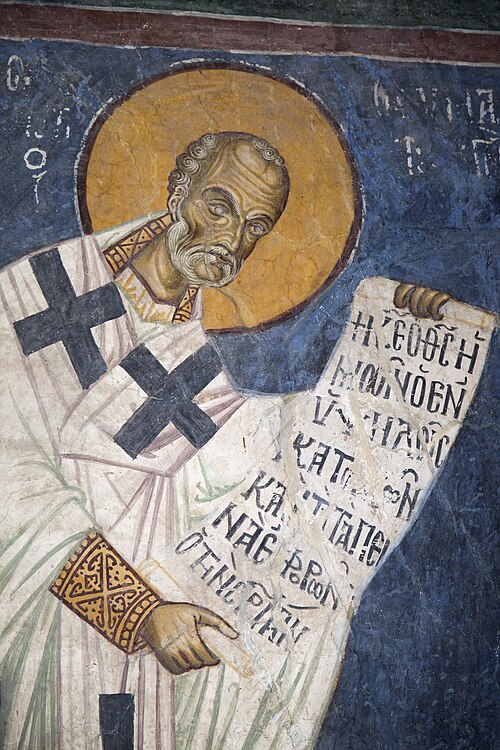
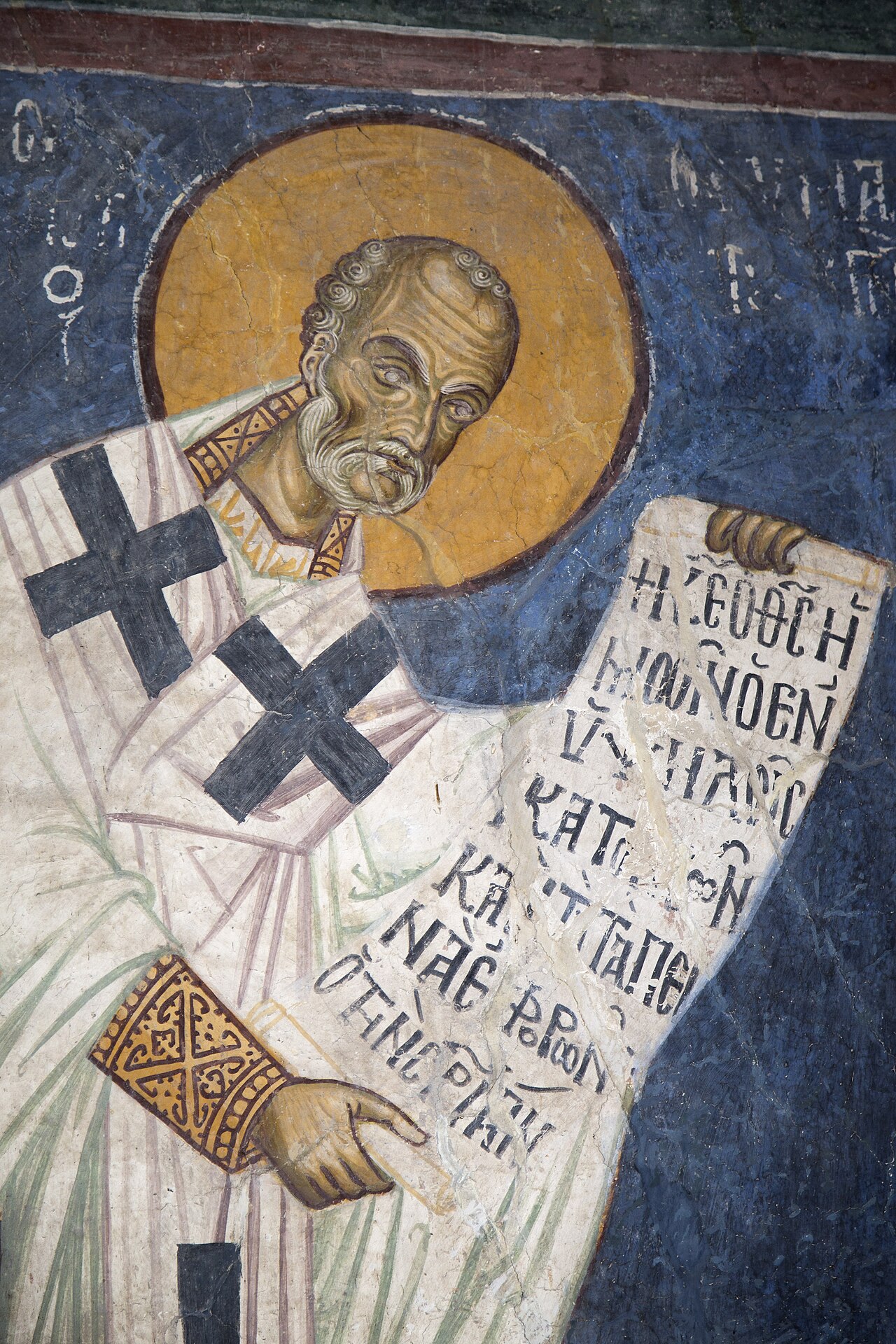
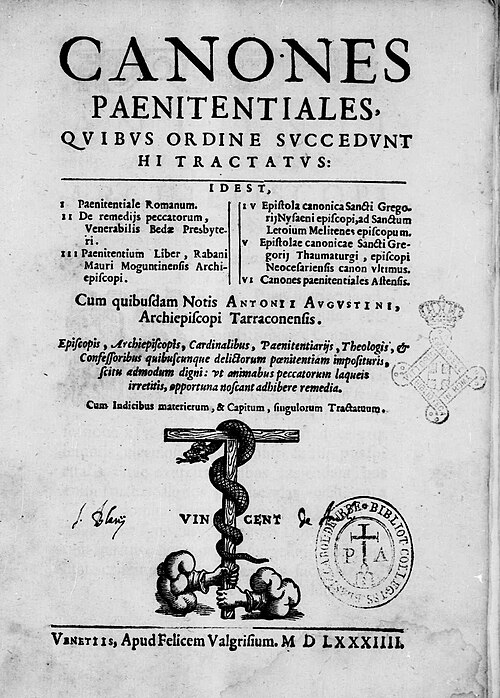
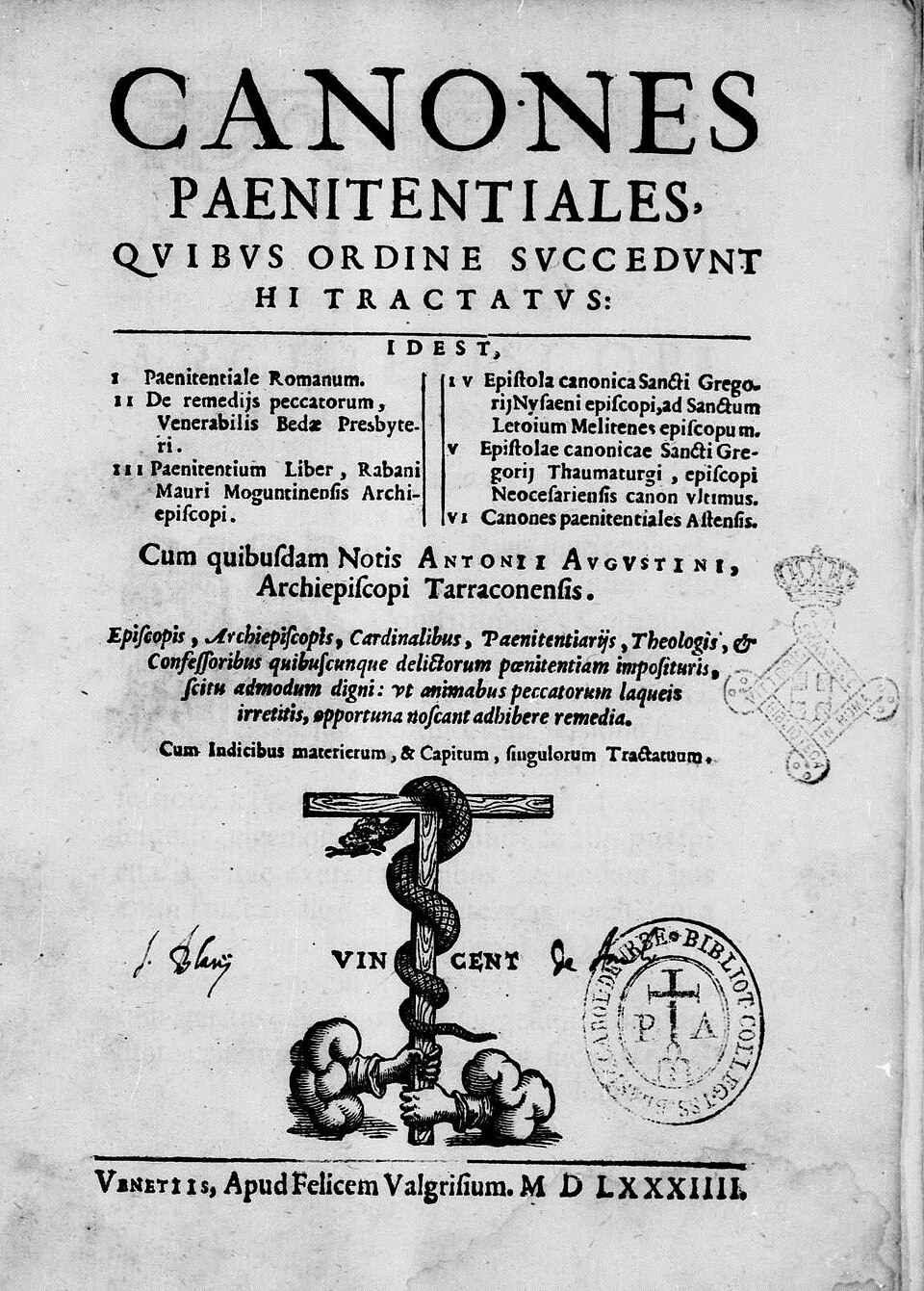


Who Gregory Thaumaturgus was
A pagan law student of Pontus, Gregory stopped at Caesarea en route to law school at Berytus, met Origen, and stayed five years. His farewell Panegyric to Origen is antiquity’s warmest portrait of a teacher and the fullest record of any ancient curriculum — logic, physics, ethics, then the Scriptures. Sent home a bishop around 240, he found (the famous tale runs) seventeen Christians in Neocaesarea and left seventeen pagans at his death. His short Declaration of Faith is a proto-Nicene creed of startling precision; his Canonical Epistle, written after Gothic raiders swept Pontus, is early canon law with a pastor’s face. Basil’s grandmother Macrina the Elder learned the faith from his tradition — making him godfather to the Cappadocians.
Also listed in bishops beyond the great sees and roman emperors.
Common questions
When did Gregory Thaumaturgus live?
Gregory Thaumaturgus is dated c. 213 – c. 270 in the archive, which places Gregory Thaumaturgus in the Ante-Nicene Church (AD 180–313). The dating is traditional and approximate; the archive marks it as uncertain rather than fixing a year the sources do not give.
What did Gregory Thaumaturgus write?
Gregory Thaumaturgus has 2 catalogued writings in the archive: Panegyric to Origen and Declaration of Faith.
Which early sources mention Gregory Thaumaturgus?
Gregory Thaumaturgus is named in 5 primary-source passages catalogued here, drawn from Eusebius of Caesarea, Basil of Caesarea, Gregory of Nyssa and Jerome of Stridon. Every passage is quoted from a named public-domain translation, earliest first.
Where was Gregory Thaumaturgus from?
The archive associates Gregory Thaumaturgus with Neocaesarea, Pontus. The sources record more than one location, so the places are listed in the order the record moves through them.
Writings (2)
Panegyric to Origen
c. 238Like a spark falling into our inmost soul, love was kindled and burst into flame within us — a love at once to the Holy Word… and to this man, His friend and advocate.Read the interlinear source text →
Declaration of Faith
c. 240–265There is one God, the Father of the living Word, who is His subsistent Wisdom and Power and Eternal Image: perfect Begetter of the perfect Begotten, Father of the only-begotten Son.Read the interlinear source text →
Primary-source mentions (5)
Every passage below is quoted from a named public-domain translation, earliest first.
Ecclesiastical History VI.30
c. AD 325Among these Theodorus, the same that was distinguished among the bishops of our day under the name of Gregory… Remaining with him five years, they made such progress in divine things.Eusebius of Caesarea · VI.30 · source text
On the Holy Spirit 29.74 ('Where shall we place the great Gregory, and his words?')
c. AD 375Where will you place the great Gregory, and the words uttered by him?Basil of Caesarea · On the Holy Spirit 29 · source text
Letter 210.5 (Neocaesarea's whole tradition traced to him)
c. AD 376A place among apostles and prophets — a man who walked by the same Spirit as they.Basil of Caesarea · Letter 210 · source text
Gregory of Nyssa, Life of Gregory Thaumaturgus (the wonder-working biography)
c. AD 380[The panegyric that made Gregory a wonderworker in the memory of the church — preached at Neocaesarea a century after his death.]Gregory of Nyssa · Life of Gregory Thaumaturgus
Gregory of Nyssa's De vita Gregorii Thaumaturgi, a panegyric preached at Neocaesarea c. AD 380 — the earliest life of the wonderworker, and the source of most of what is told of him. Greek: Günter Heil, Gregorii Nysseni Opera 10.1 (1990). English translation by Michael Slusser, St Gregory Thaumaturgus: Life and Works, Fathers of the Church 98 (1998); no public-domain English exists.
On Illustrious Men 65
c. AD 392Theodore, afterwards called Gregory, when quite young, in company with his brother Athenodorus, studied at Caesarea under Origen.Jerome of Stridon · On Illustrious Men 65 · source text
Connected in the archive
Converted and trained by Origen; his teaching reached Basil’s family through Macrina the Elder
People
- Origen of Alexandria
- Basil the Great
- Macrina the Younger
- Firmilian of Caesarea
- Athenodorus of Pontus
- Hymenaeus of Jerusalem
- Macrina the Elder
- Basil the Elder
Events in this lifetime
- AD 235 · Maximinus Thrax targets the clergy, AD 235
- AD 250 · The Decian persecution, AD 250
- AD 251 · The Novatianist schism, AD 251
- AD 257 · The Valerian persecution, AD 257
- AD 260 · Gallienus’ edict of toleration, AD 260
- AD 268 · Antioch deposes Paul of Samosata, AD 268
Place
Places served
The 2 places the sources put Gregory Thaumaturgus, in the order the record moves through them. This is what the sources attest, not a reconstructed route.
- 1Neocaesarea
- 2Pontusprovince only