The Nicene Age · AD 313–400
Jerome of Stridon
Also known as Eusebius Sophronius Hieronymus
c. 347 – 420 · Priest · Translator of the Vulgate · Stridon → Rome → Bethlehem
The Nicene Age
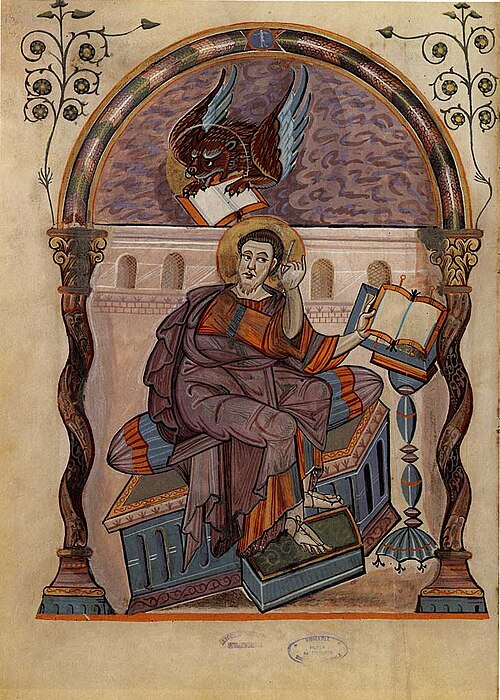
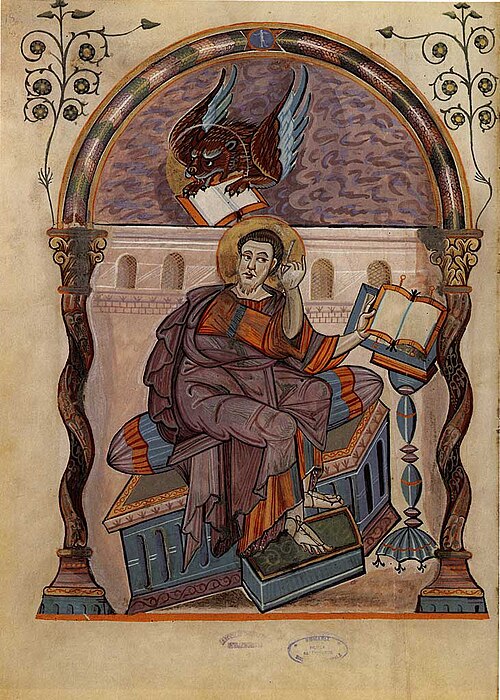


.JPG)


Who Jerome of Stridon was
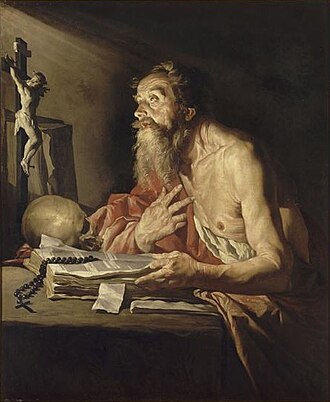
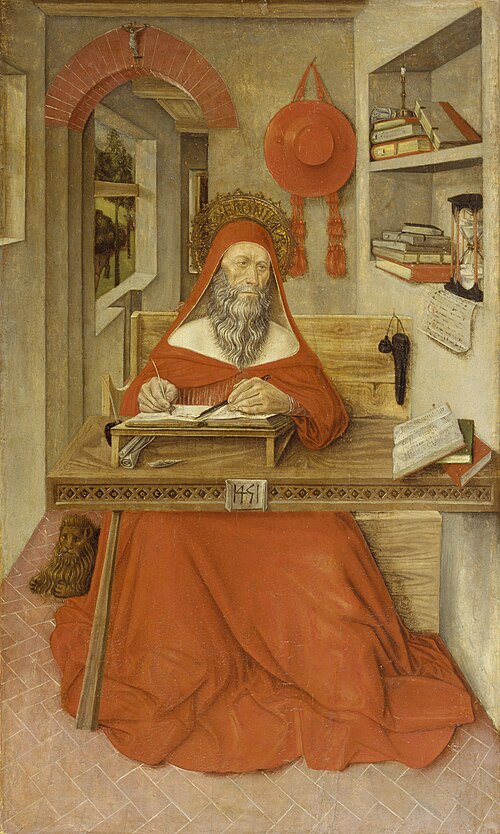
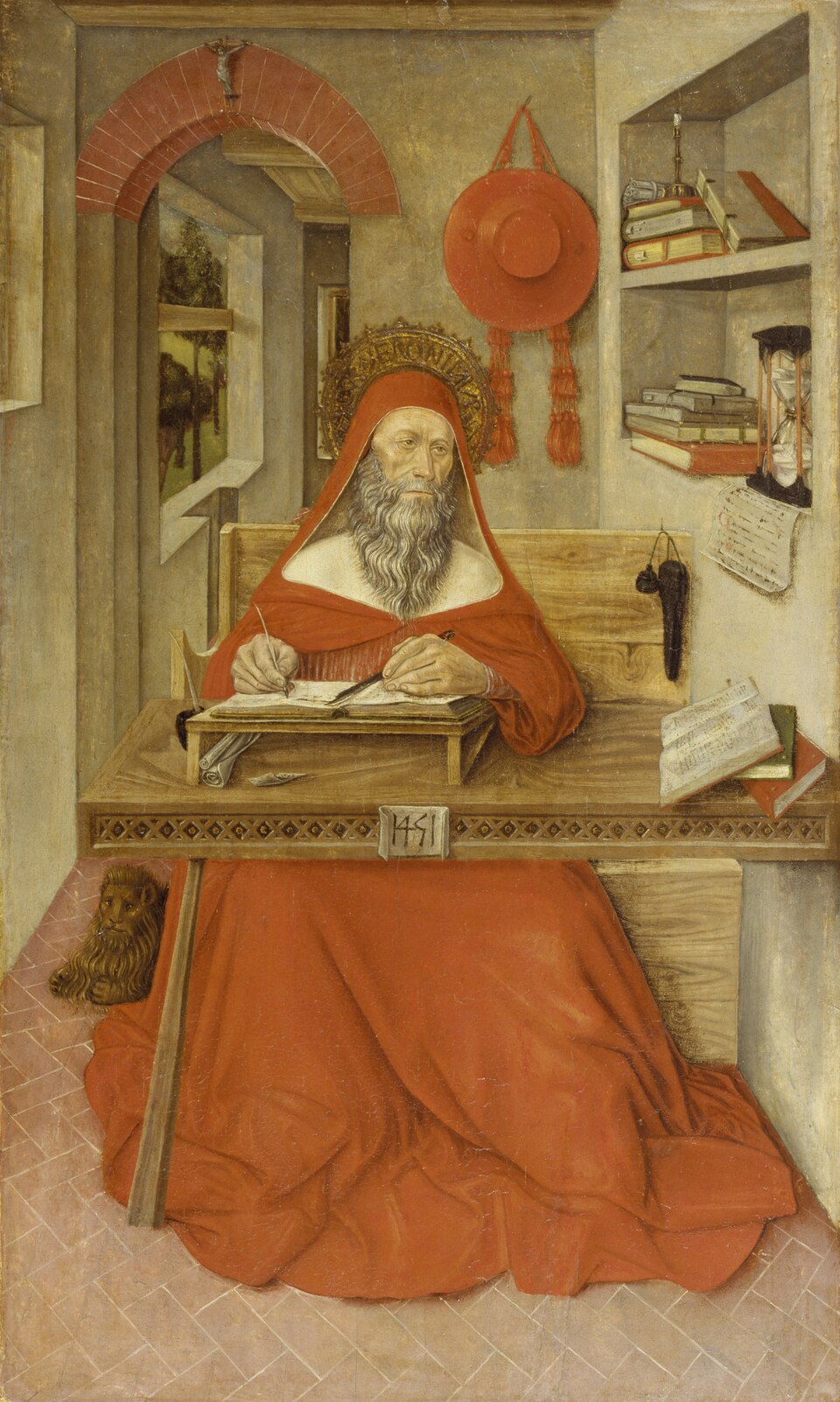
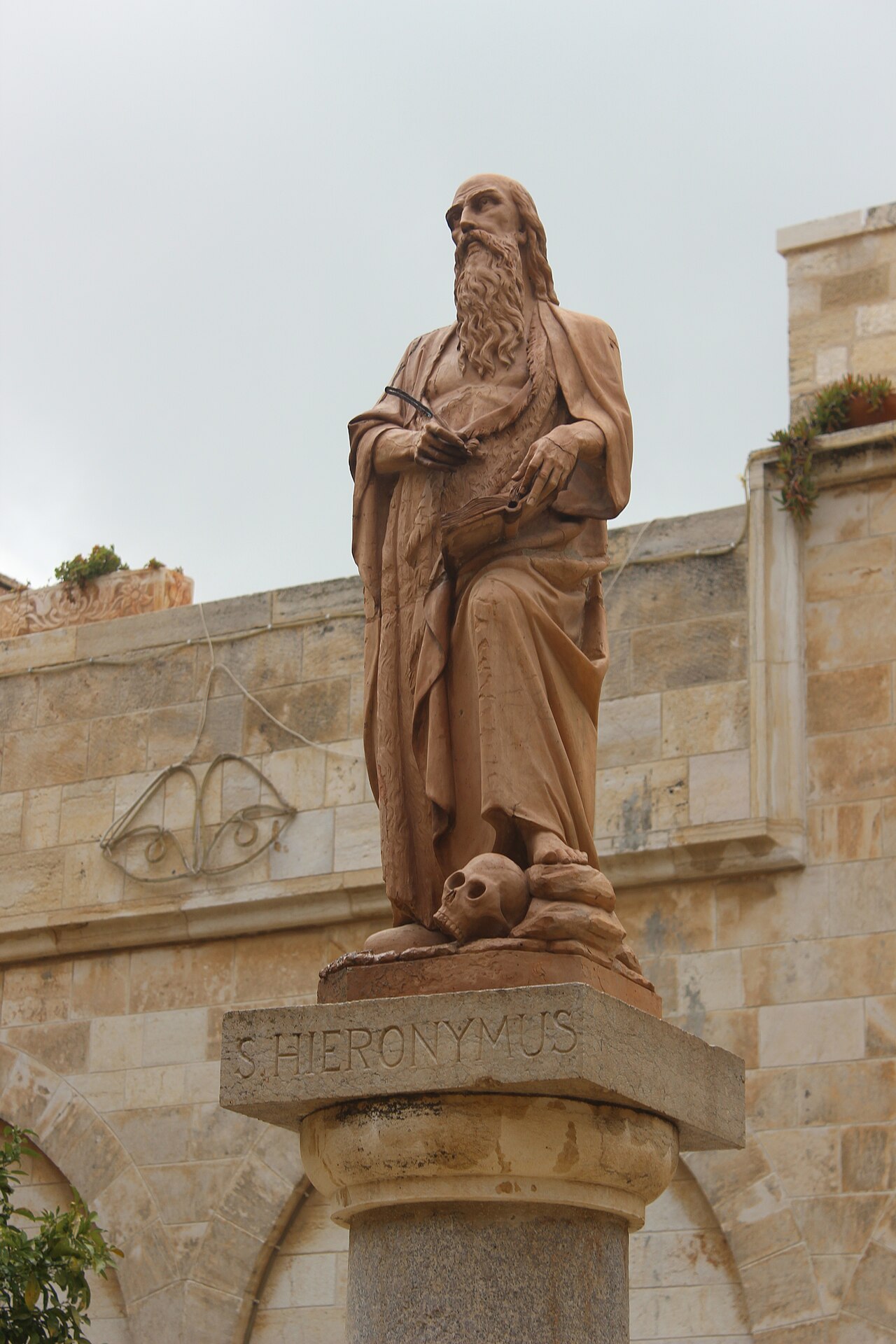
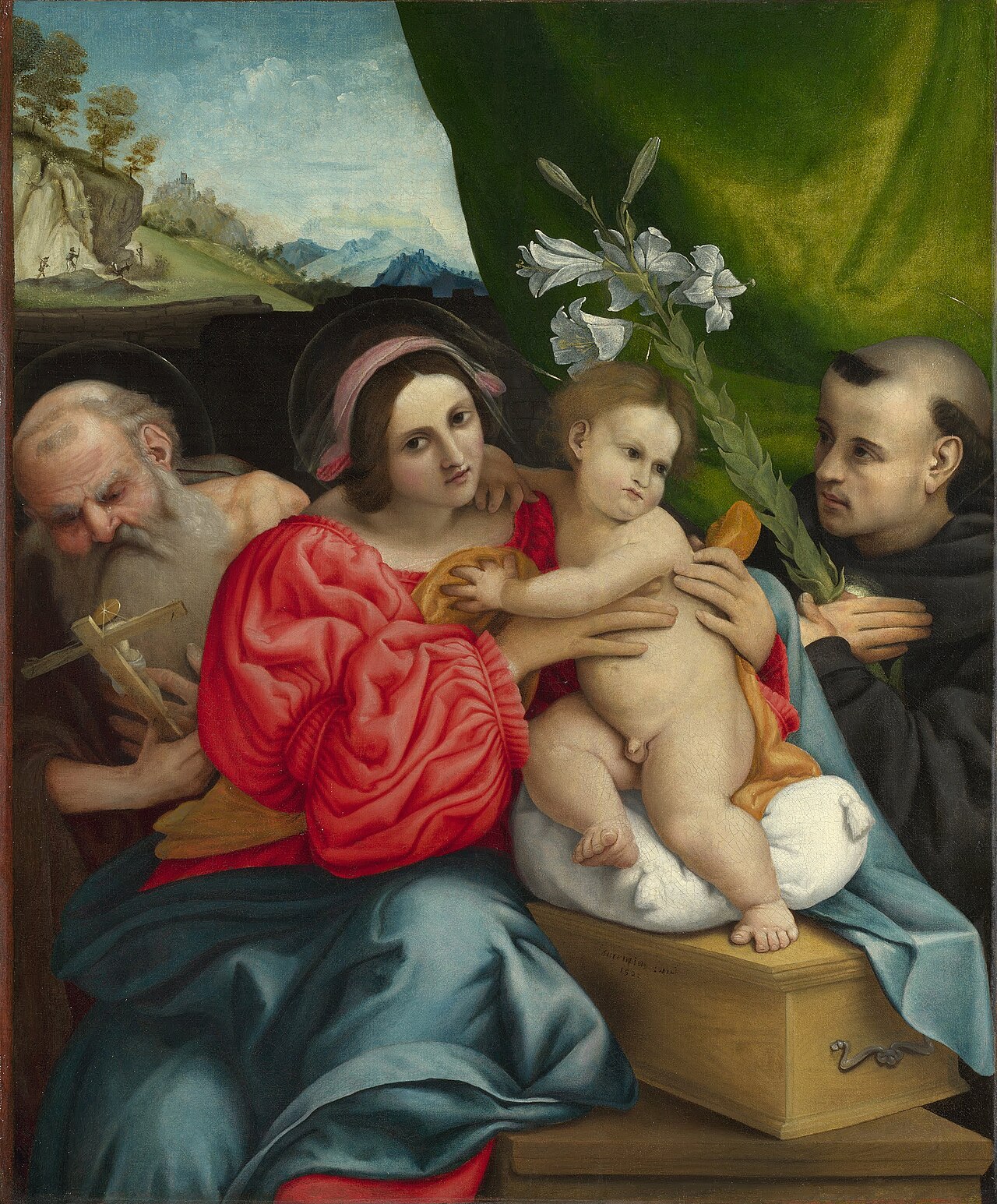
The best Latin scholar of the age and its worst enemy to have, Jerome studied in Rome, dreamed a tribunal accused him — “You are a Ciceronian, not a Christian” — and fled to the Syrian desert, where he tamed his prose style by learning Hebrew from a Jewish convert. Secretary to pope Damasus, who set him revising the Latin Gospels, he scandalized Rome by tutoring aristocratic women in Hebrew and asceticism, and decamped in 385 with Paula to Bethlehem. There, in a cell by the Nativity cave, he translated the Old Testament from the Hebrew itself over twenty years — the Vulgate, the Bible of the West for a millennium — and produced commentaries, polemics of legendary savagery, and On Illustrious Men: the first catalogue of Christian writers, ancestor of every church-history handbook (and of timelines like this one).
Common questions
When did Jerome live?
Jerome of Stridon is dated c. 347 – 420 in the archive, which places Jerome in the Nicene Age (AD 313–400). The dating is traditional and approximate; the archive marks it as uncertain rather than fixing a year the sources do not give.
What did Jerome write?
Jerome of Stridon has 2 catalogued writings in the archive: Letter 22, to Eustochium and Commentary on Isaiah (prologue).
Which early sources mention Jerome?
Jerome of Stridon is named in 5 primary-source passages catalogued here, drawn from Jerome of Stridon, Jerome, Augustine of Hippo and Sulpicius Severus. Every passage is quoted from a named public-domain translation, earliest first.
Where was Jerome from?
The archive associates Jerome of Stridon with Stridon, Rome, Bethlehem. The sources record more than one location, so the places are listed in the order the record moves through them.
Writings (2)
Letter 22, to Eustochium
384Suddenly I was caught up in the spirit and dragged before the judgment seat… Asked who and what I was, I replied: “I am a Christian.” But He who presided said: “Thou liest; thou art a Ciceronian, not a Christian; for where thy treasure is, there will thy heart be also.”Read the interlinear source text →
Commentary on Isaiah (prologue)
c. 408I interpret as I should, following the command of Christ… For if, as Paul says, Christ is the power of God and the wisdom of God, then ignorance of the Scriptures is ignorance of Christ.Read the interlinear source text →
Primary-source mentions (5)
Every passage below is quoted from a named public-domain translation, earliest first.
On Illustrious Men 135 (the self-entry that closes his own catalogue)
c. AD 392I, Jerome, son of Eusebius, of the city of Strido, which is on the border of Dalmatia and Pannonia, and was overthrown by the Goths.Jerome of Stridon · On Illustrious Men 135 · source text
The Letters of Jerome
c. AD 393Asked who and what I was I replied: 'I am a Christian.' But He who presided said: 'Thou liest; thou art a Ciceronian, not a Christian. For where thy treasure is, there will thy heart be also.'Jerome · source text
Letter 28 of Augustine (the challenge on the Vulgate and the lie in Galatians)
c. AD 395It seems to me that most disastrous consequences must follow upon our believing that anything false is found in the sacred books.Augustine of Hippo · Letter 28 · source text
Sulpicius Severus, Dialogues I.8–9 (Postumianus reports from Bethlehem)
c. AD 404[Postumianus, back from the East, reports that he lodged with Jerome at Bethlehem and found him at ceaseless work on the Scriptures.]Sulpicius Severus · Dialogues I.8–9
The Dialogues of Sulpicius Severus, written in Gaul c. AD 404–406 as a sequel to his Life of Martin; the traveller Postumianus reports on Jerome at Bethlehem in the first dialogue. Critical text: Karl Halm, Corpus Scriptorum Ecclesiasticorum Latinorum 1 (1866). English translation by Alexander Roberts, Nicene and Post-Nicene Fathers, 2nd series, vol. 11 (1894), public domain.
Lausiac History 36 (Palladius's hostile aside — 'a man of great gifts, obscured by envy')
c. AD 420A certain Jerome, a presbyter, distinguished for his Latin learning and talents; but he had such gifts of jealousy that they obscured his learning.Palladius of Galatia · Lausiac History 36 · source text
Connected in the archive
Heard Gregory of Nazianzus in Constantinople; conducted a famous testy correspondence with Augustine; funded by Paula and Eustochium
People
- Gregory of Nazianzus
- Augustine of Hippo
- Heraclitus the Commentator
- Paul of Thebes
- Theodore of Heraclea
- Fortunatianus of Aquileia
- Triphylius of Ledra
- Hilarion of Gaza
- Acilius Severus
- Blaesilla
- Damasus I of Rome
- Saint Lea
- Marcianus of Cyrrhus
- Paulinus of Antioch
- Malchus of Maronia
- Evagrius of Antioch
- Didymus the Blind
- Jovinian
- Fabiola
- John Chrysostom
- Melania the Elder
- Chromatius of Aquileia
- Heliodorus
- Rufinus of Aquileia
- Epiphanius of Salamis
- Gennadius of Marseilles
- Paulus Orosius
- Pelagius
- Nummius Aemilianus Dexter
Named alongside Jerome in the sources
This figure is placed with Jerome by the record — in a council roll, a martyr-act, a letter or a history — without Jerome naming them in return.
Events in this lifetime
- AD 361 · Julian’s pagan restoration, AD 361
- AD 366 · Damasus and the catacomb epigrams, AD 366
- AD 367 · Athanasius lists the 27 NT books, AD 367
- AD 372 · The martyrdom of Sabbas the Goth, AD 372
- AD 378 · Queen Mavia’s revolt, AD 378
- AD 380 · The Edict of Thessalonica, AD 380
- AD 381 · The Council of Constantinople, AD 381
- AD 381 · The Council of Aquileia, AD 381
- AD 384 · The Altar of Victory petition, AD 384
- AD 390 · Thessalonica and the penance of Theodosius, AD 390
- AD 397 · Carthage confirms the canon, AD 397
Place
Places served
The 6 places the sources put Jerome, in the order the record moves through them. This is what the sources attest, not a reconstructed route.
- 1StridonBorn at Stridon on the Dalmatian borderJerome, De viris illustribus 135
- 2RomeStudied grammar and rhetoric under DonatusJerome, Epistle 22
- 3TrierWent to Gaul and first turned to the ascetic lifeJerome, Epistle 3
- 4AntiochFell ill and had the dream of the CiceronianJerome, Epistle 22.30
- 5ConstantinopleHeard Gregory of NazianzusJerome, De viris illustribus 117
- 6BethlehemSettled there and made the Latin versionJerome, Epistle 108