The Ante-Nicene Church · AD 180–313
Tatian the Assyrian
c. 120 – c. 180 · Apologist · Harmonizer of the Gospels (later Encratite) · Assyria → Rome → Syria
The Ante-Nicene Church


Who Tatian the Assyrian was
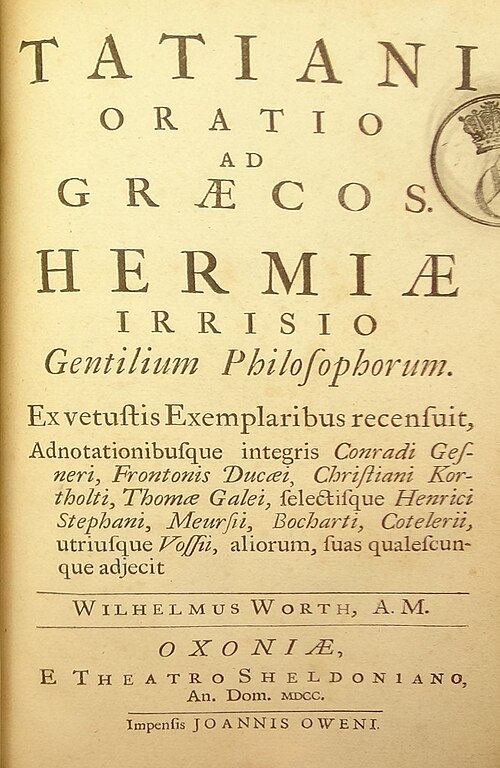
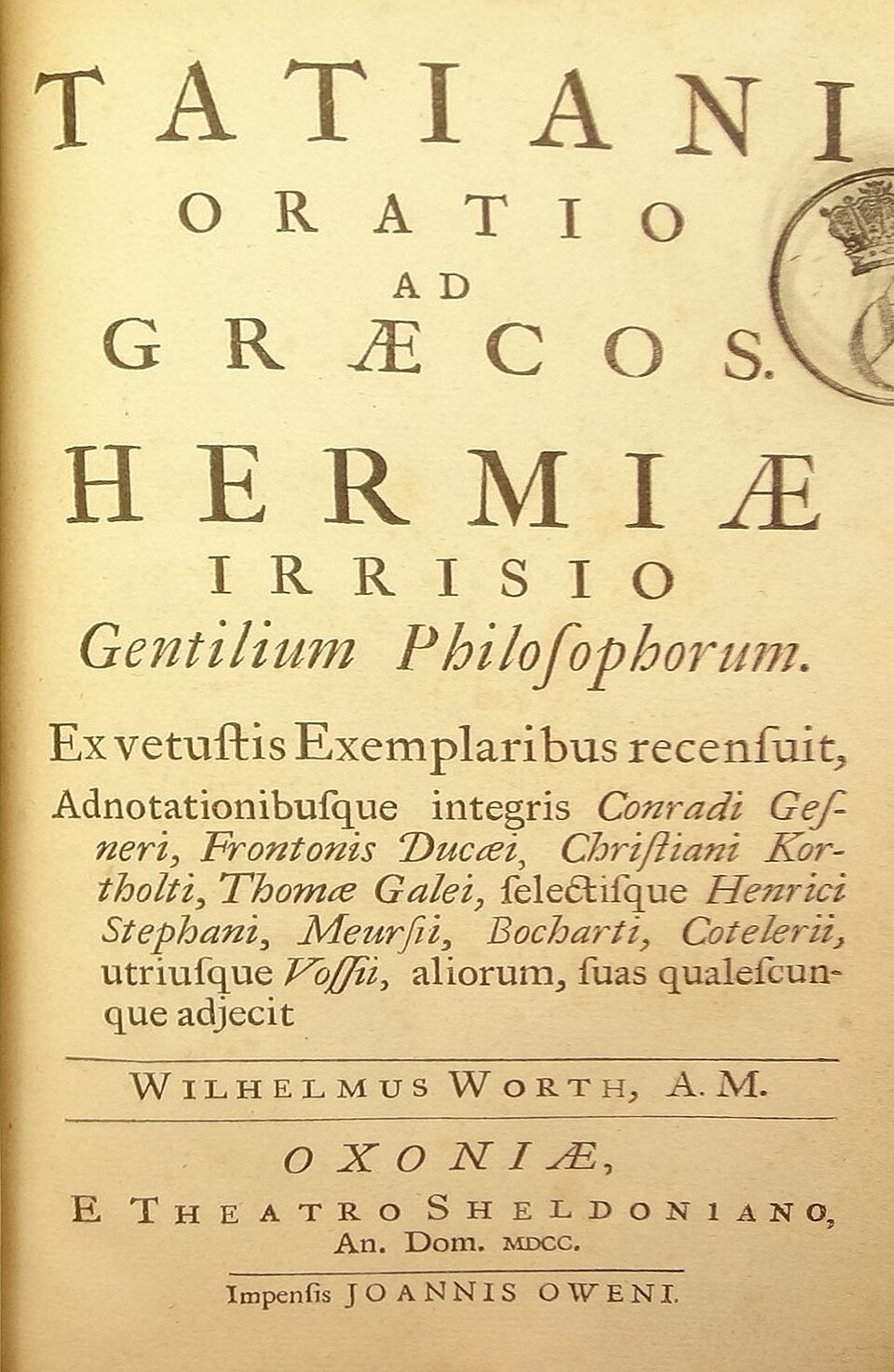
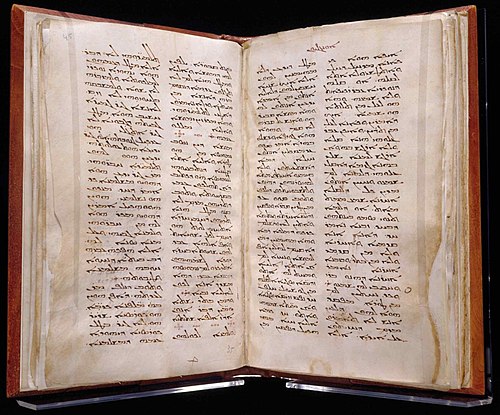
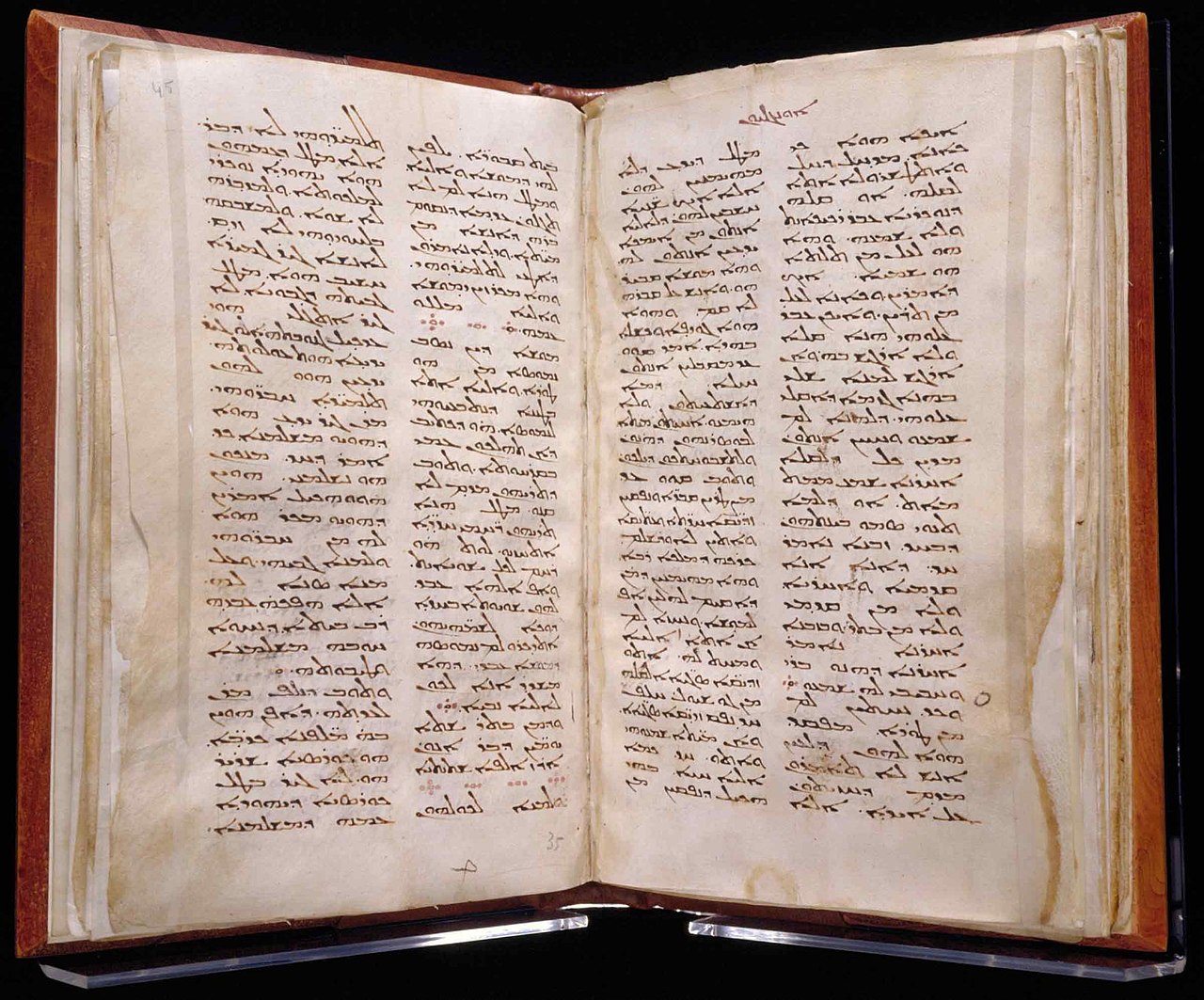
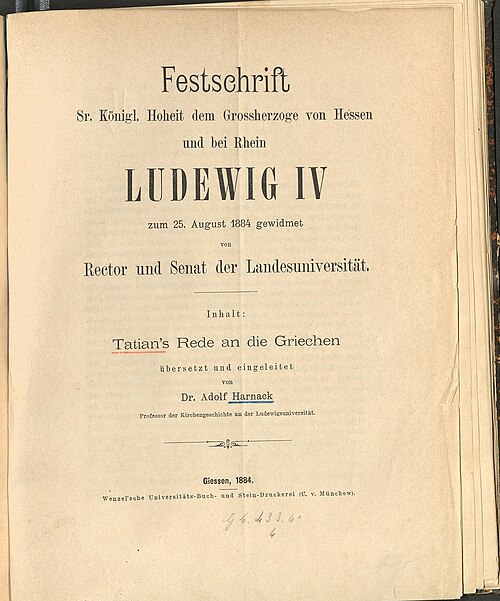
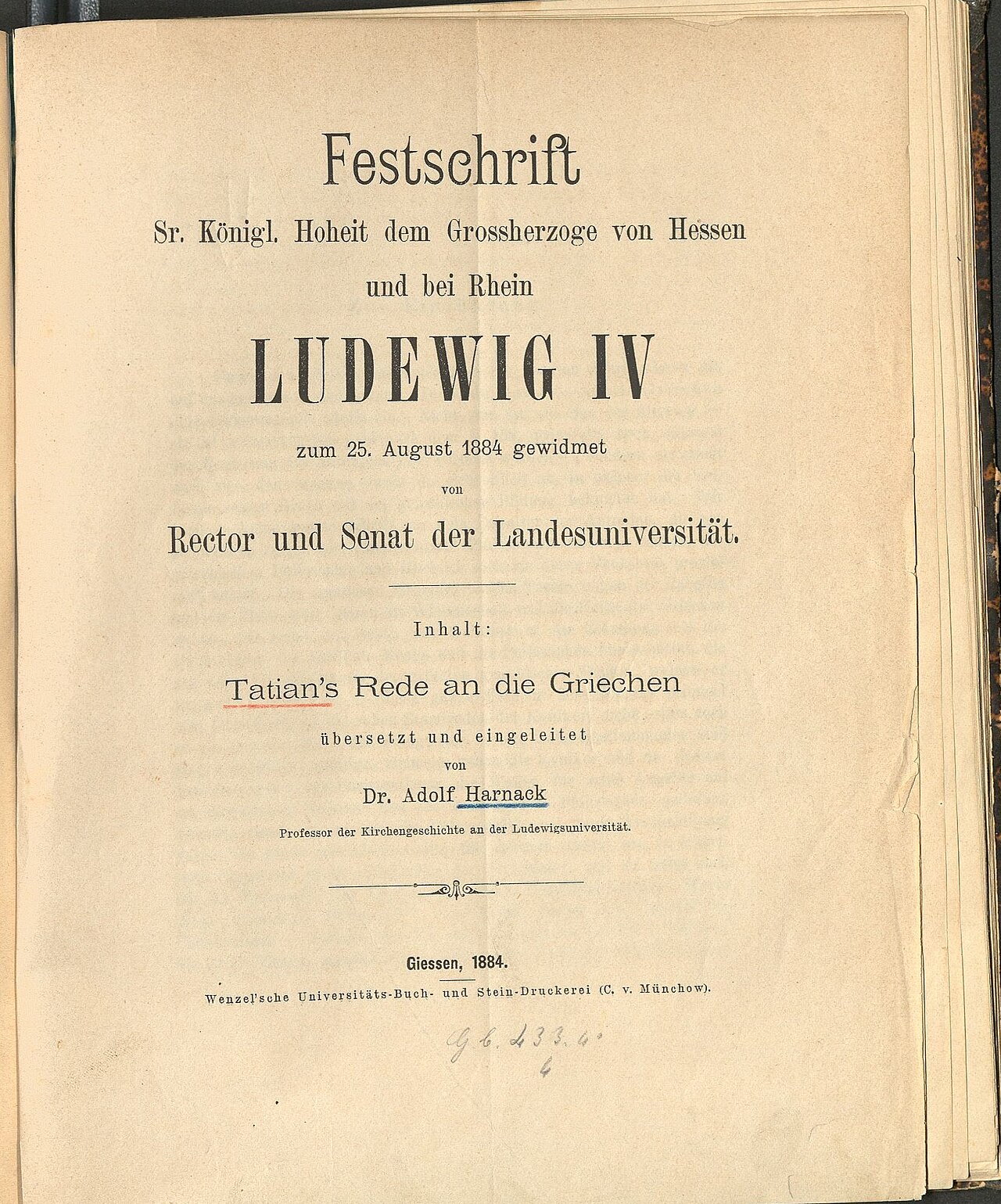
An Assyrian rhetorician who had been initiated into the mysteries and despised them, Tatian found in Rome “certain barbaric writings, older than the doctrines of the Greeks” — the Scriptures — and became Justin’s pupil. His Address to the Greeks is the angriest of the apologies, a scorched-earth polemic against Hellenic culture by a man who knew it intimately. His enduring monument is the Diatessaron, a weaving of the four Gospels into one continuous narrative, which served the Syriac-speaking churches as their standard Gospel text for two and a half centuries until bishops replaced it with the separated four. After Justin’s death he drifted east and toward the severe Encratite asceticism the great church declined to follow.
Also listed in heretics & schismatics.
Common questions
When did Tatian live?
Tatian the Assyrian is dated c. 120 – c. 180 in the archive, which places Tatian in the Ante-Nicene Church (AD 180–313). The dating is traditional and approximate; the archive marks it as uncertain rather than fixing a year the sources do not give.
What did Tatian write?
Tatian the Assyrian has 2 catalogued writings in the archive: Address to the Greeks and The Diatessaron.
Which early sources mention Tatian?
Tatian the Assyrian is named in 4 primary-source passages catalogued here, drawn from Irenaeus of Lyon, Clement of Alexandria, Eusebius of Caesarea and Jerome. Every passage is quoted from a named public-domain translation, earliest first.
Where was Tatian from?
The archive associates Tatian the Assyrian with Assyria, Rome, Syria. The sources record more than one location, so the places are listed in the order the record moves through them.
Writings (2)
Address to the Greeks
c. 170I was led to put faith in these writings by the unpretending cast of the language, the inartificial character of the writers, the foreknowledge displayed of future events, the excellent quality of the precepts.Read the interlinear source text →
The Diatessaron
c. 170A single Gospel woven from the four — the standard text of the Syrian churches until the fifth century; it survives in Ephrem’s commentary and an Arabic version.Read the interlinear source text →
Primary-source mentions (4)
Every passage below is quoted from a named public-domain translation, earliest first.
Against Heresies I.28.1 (his fall after Justin's martyrdom)
c. AD 180Tatian... was a hearer of Justin's, and as long as he continued with him he expressed no such views; but after his martyrdom he separated from the Church.Irenaeus of Lyon · Against Heresies I.28.1 · source text
Stromateis III.12 (his treatise On Perfection refuted)
c. AD 200Ecclesiastical History IV.29 (the Encratites and the Diatessaron)
c. AD 325Tatian formed a certain combination and collection of the Gospels, I know not how, to which he gave the title Diatessaron.Eusebius of Caesarea · Ecclesiastical History IV.29 · source text
On Illustrious Men 29
c. AD 393Tatian… was a follower of Justin Martyr and was distinguished so long as he did not leave his master's side. But afterwards… he founded a new heresy which is called that of the Encratites.Jerome · 29 · source text
Connected in the archive
Pupil of Justin Martyr; his Diatessaron was expounded by Ephrem the Syrian
People
Events in this lifetime
- AD 135 · Bar Kokhba crushed; Aelia Capitolina, AD 135
- AD 144 · Marcion expelled at Rome, AD 144
- AD 156 · The New Prophecy erupts, AD 156
- AD 177 · Persecution at Lyon and Vienne, AD 177
- AD 180 · The Scillitan martyrs, AD 180
Place
Places served
The 2 places the sources put Tatian, in the order the record moves through them. This is what the sources attest, not a reconstructed route.