The Nicene Age · AD 313–400
Ambrose of Milan
c. 339 – 397 · Governor → Bishop of Milan · Trier → Milan
The Nicene Age
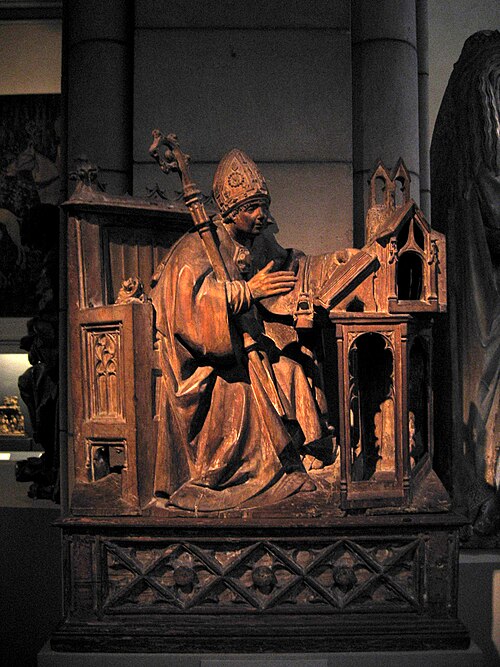
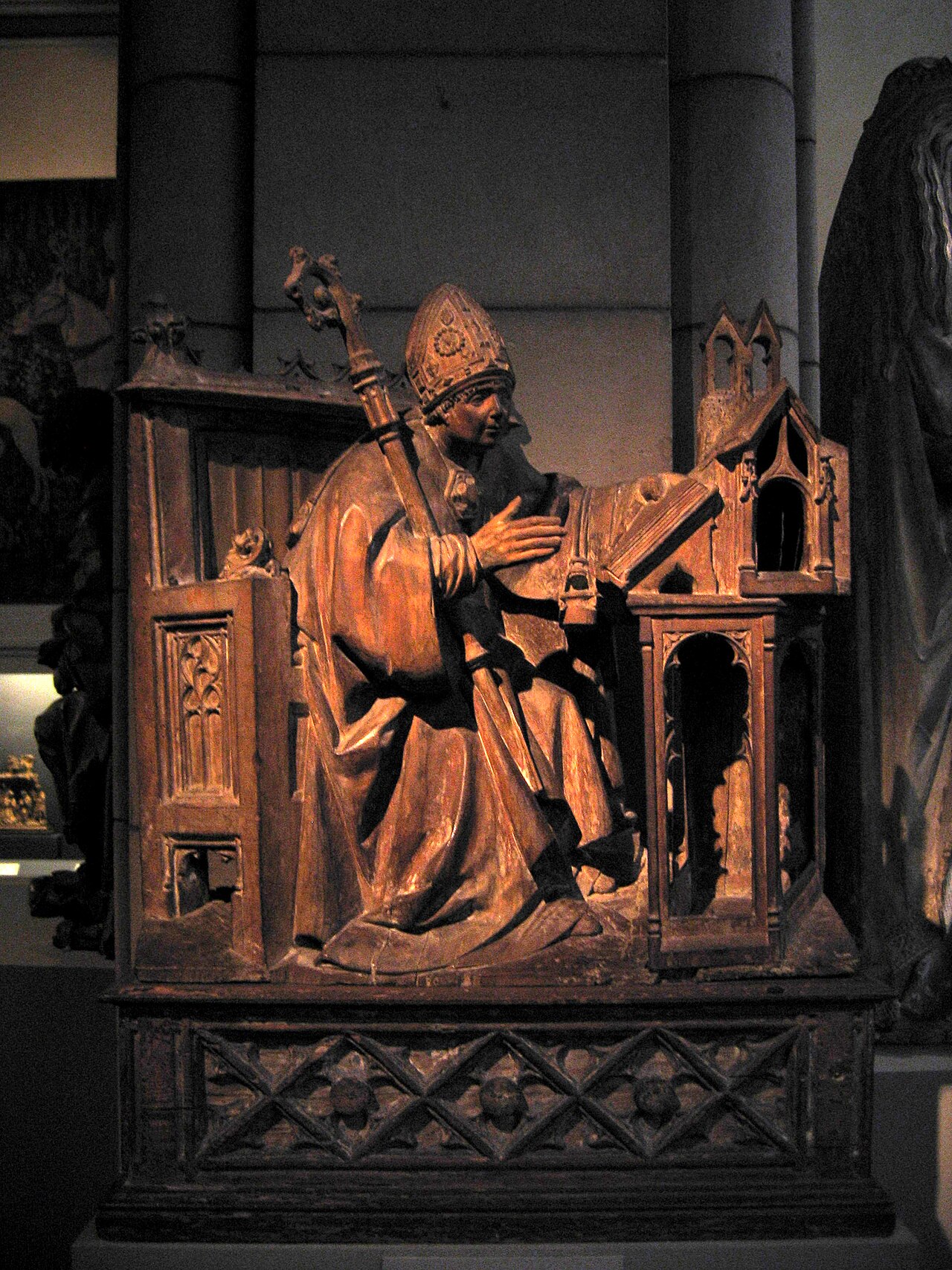
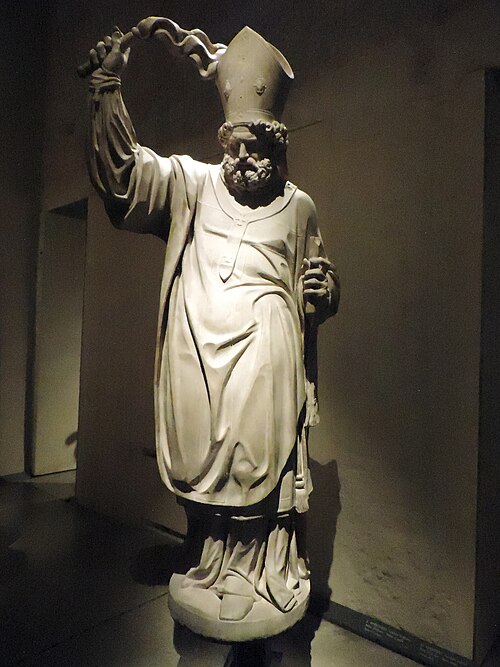
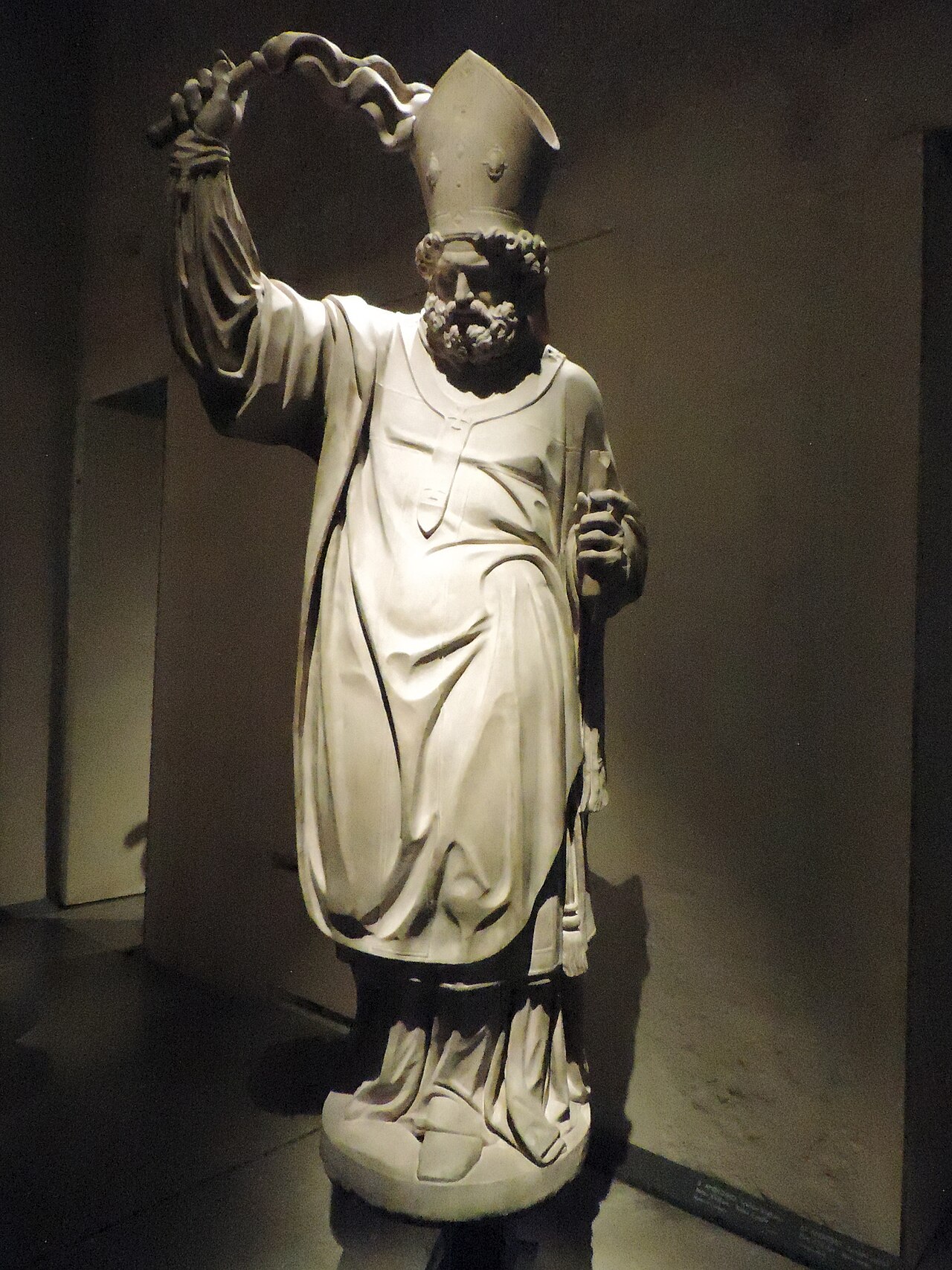
.jpg)


.jpg)

Who Ambrose of Milan was
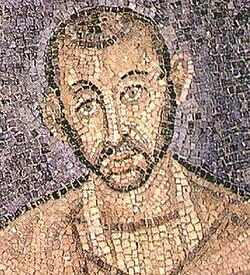
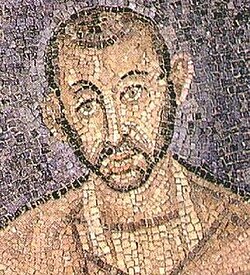
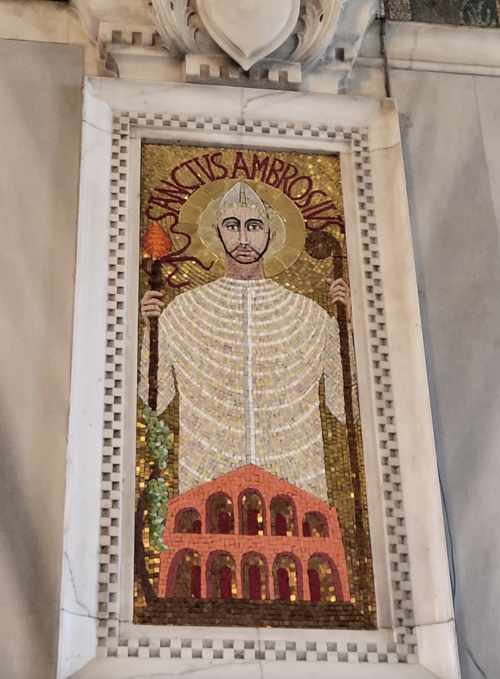
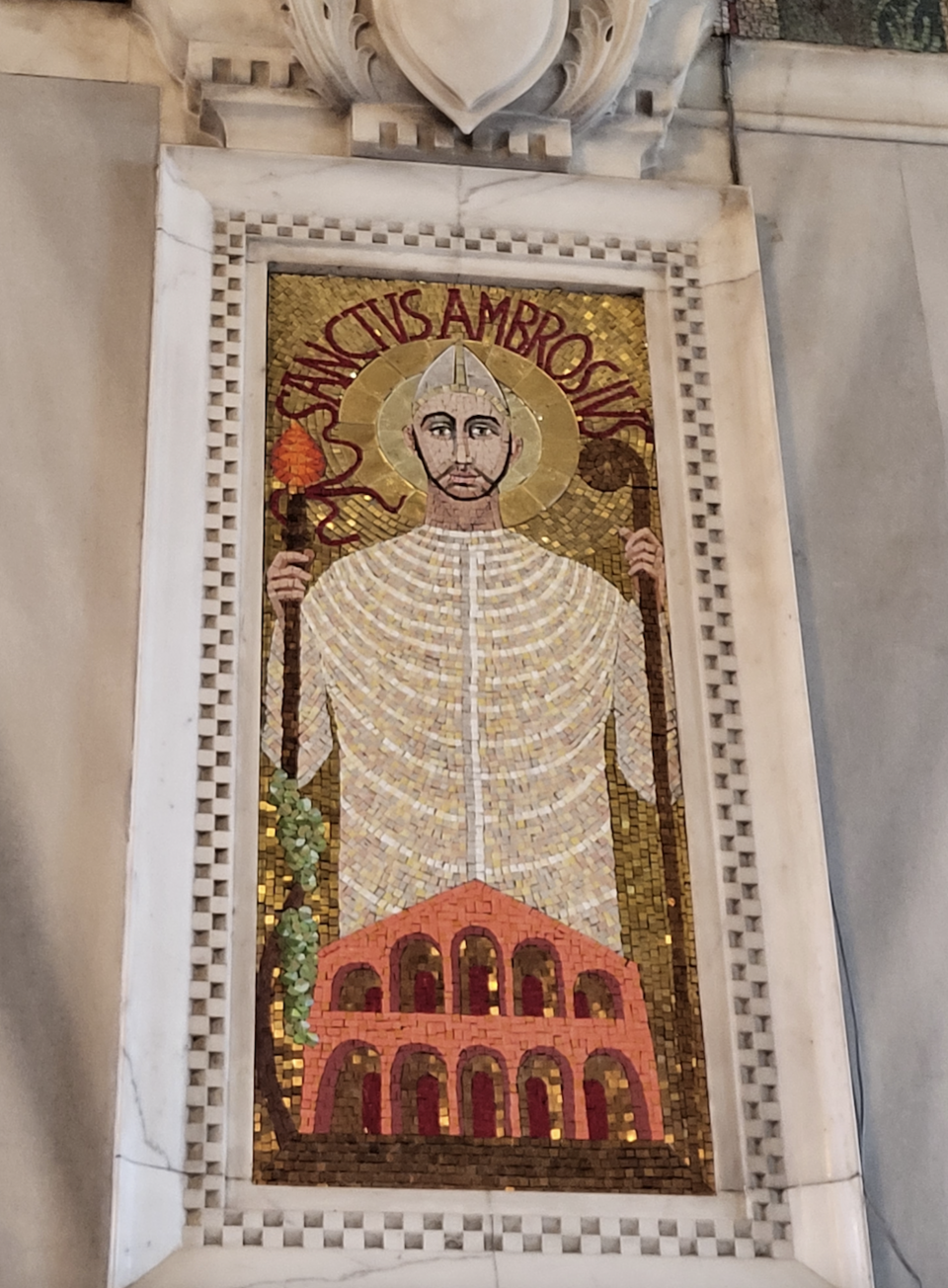
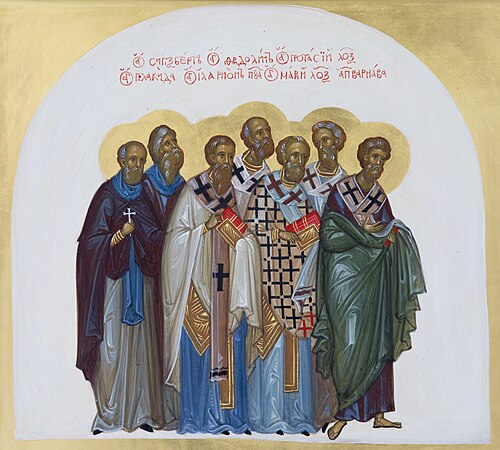
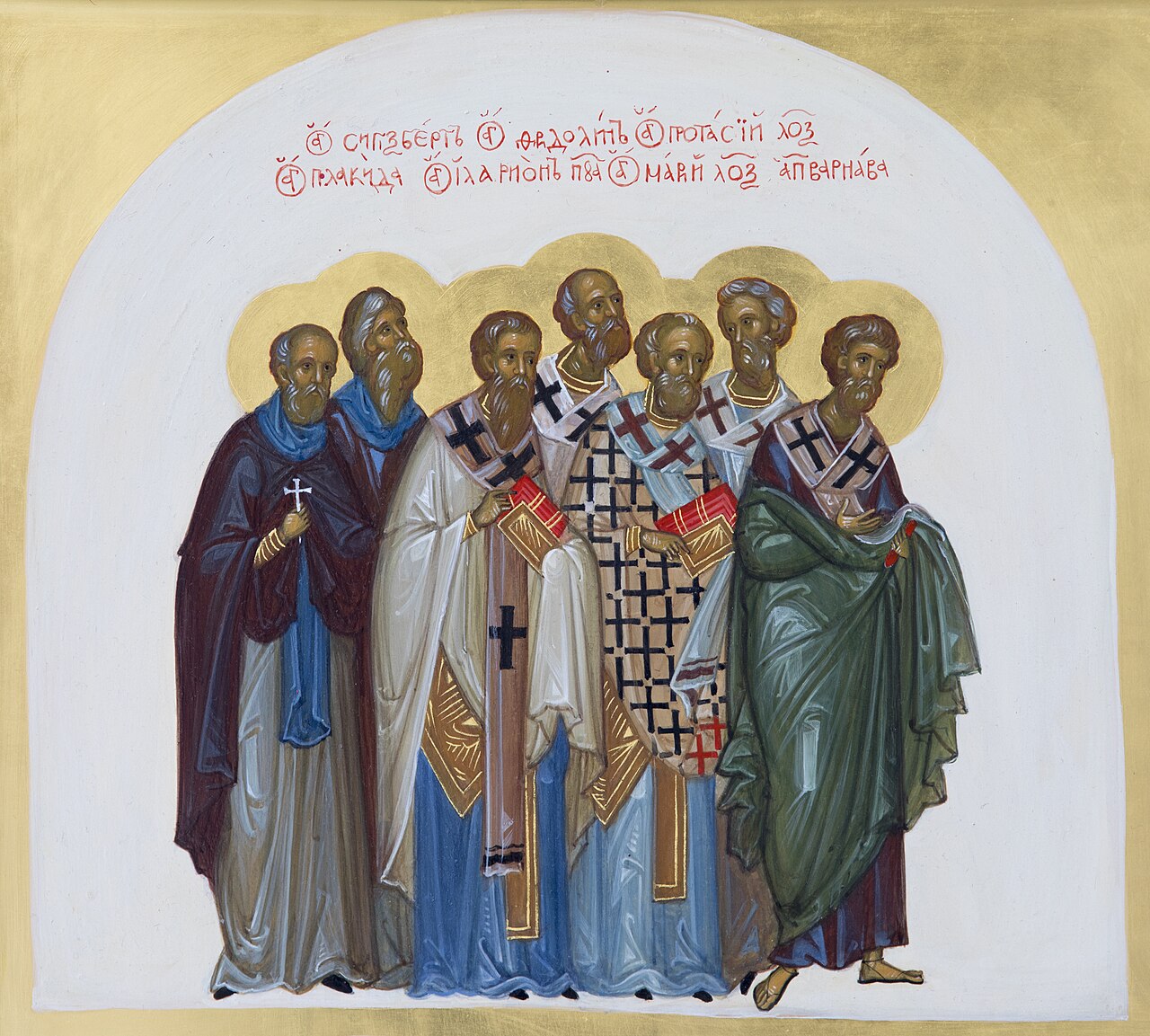
Roman governor of Aemilia-Liguria, Ambrose entered Milan’s basilica in 374 to police a riotous episcopal election and left it — by a child’s cry of “Ambrose for bishop!” and the crowd’s roar — the elected bishop, still an unbaptized catechumen. Baptized, consecrated, and crash-tutored in Greek theology within a week, he gave away his fortune and became the West’s iron standard: he refused a basilica to an Arian empress (“the emperor is within the Church, not above the Church”), barred Theodosius from the altar until he did public penance for the massacre at Thessalonica, wrote On the Duties of the Clergy on Cicero’s frame, and introduced the East’s antiphonal hymn-singing — four of his hymns are sung to this day. A Milanese rhetor named Augustine came to hear his technique, and stayed for the content.
Also listed in bishops beyond the great sees.
Common questions
When did Ambrose live?
Ambrose of Milan is dated c. 339 – 397 in the archive, which places Ambrose in the Nicene Age (AD 313–400). The dating is traditional and approximate; the archive marks it as uncertain rather than fixing a year the sources do not give.
What did Ambrose write?
Ambrose of Milan has 3 catalogued writings in the archive: Sermon against Auxentius, Hymns (Veni redemptor gentium) and The Gesta of the Council of Aquileia against Palladius and Secundianus.
Which early sources mention Ambrose?
Ambrose of Milan is named in 6 primary-source passages catalogued here, drawn from The Council of Aquileia, Ambrose of Milan, Jerome of Stridon and Augustine of Hippo. Every passage is quoted from a named public-domain translation, earliest first.
Where was Ambrose from?
The archive associates Ambrose of Milan with Trier, Milan. The sources record more than one location, so the places are listed in the order the record moves through them.
Writings (3)
Sermon against Auxentius
386The emperor is within the Church, not above the Church; and a good emperor seeks the aid of the Church, does not refuse it.Read the interlinear source text →
Hymns (Veni redemptor gentium)
c. 386Come, Redeemer of the nations, show forth the Virgin’s birth; let every age marvel: such a birth befits God. — sung by his congregation while they occupied the besieged basilicaRead the interlinear source text →
The Gesta of the Council of Aquileia against Palladius and Secundianus
3 September 381The verbatim stenographic minutes of the council.Read the interlinear source text →
Primary-source mentions (6)
Every passage below is quoted from a named public-domain translation, earliest first.
Gesta Concilii Aquileiensis — the opening protocol and roll of the thirty-two bishops
c. AD 381In the consulship of the illustrious Syagrius and Eucherius, on the 3rd day of September, the undermentioned Bishops, sitting in council in the church at Aquileia, namely, Valerian, Bishop of Aquileia, Ambrose, Eusebius, Limenius, Anemius, Sabinus, Abundantius, Artemius, Constantius, Justus, Philaster…The Council of Aquileia · Gesta Concilii Aquileiensis §1 · source text
On the Duties of the Clergy (De Officiis)
c. AD 385When Lawrence was being roasted upon the gridiron he said: 'It is done; turn it and eat.' So he conquered the fire's punishment by his courage of soul… These are the riches of the Church — the poor, in whom Christ is fed.Ambrose of Milan · source text
On Illustrious Men 124 (Jerome withholds judgment 'since he is still writing')
c. AD 392Ambrose, bishop of Milan, is still writing at the present day. In regard to him I withhold my judgment, since he is still alive, lest I should be blamed either for adulation or for speaking the truth.Jerome of Stridon · On Illustrious Men 124 · source text
Confessions V.13–VI.4 (the preacher who opened the scriptures to Augustine)
c. AD 397That man of God received me as a father, and showed me an episcopal kindness on my coming.Augustine of Hippo · Confessions V.13 · source text
Life of Ambrose (Paulinus's memoir, written for Augustine)
c. AD 422Ecclesiastical History V.17 (Theodosius stopped at the chancel)
c. AD 449Connected in the archive
Baptized Augustine at Easter 387; matched wills with the emperor Theodosius and won
People
- Augustine of Hippo
- Nazarius of Milan
- Saint Sebastian
- Agnes of Rome
- Marius Victorinus
- Zeno of Verona
- Auxentius of Milan
- Emperor Gratian
- Ascholius (Acholius) of Thessalonica
- Damasus I of Rome
- Priscillian of Ávila
- Monica of Thagaste
- Emperor Valentinian II
- Emperor Theodosius I
- Marcellina
- Philastrius of Brescia
- Jovinian
- Siricius of Rome
- Palladius of Ratiaria
- Simplician of Milan
- Valerian
- Chromatius of Aquileia
- Justus
- Secundianus of Singidunum
- Anemius
- Flavius Butheric
- Quintus Aurelius Symmachus
- Auxentius of Durostorum
Named alongside Ambrose in the sources
These figures are placed with Ambrose by the record — in a council roll, a martyr-act, a letter or a history — without Ambrose naming them in return.
- Abundantius
- Almachius
- Amantius
- Artemius
- Bassianus
- Cassianus
- Constantius (first of the name at Aquileia)
- Constantius (second of the name at Aquileia)
- Diogenes
- Domninus (bishop at Aquileia)
- Eusebius
- Eustathius
- Exuperantius
- Felix of Jadera
- Felix (second of the name at Aquileia)
- Heliodorus
- Januarius (bishop at Aquileia)
- Jovinus
- Limenius
- Macedonius
- Marcellus (bishop at Aquileia)
- Maximus (first of the name at Aquileia)
- Maximus (second of the name at Aquileia)
- Numidius
- Proculus
- Sabinus of Placentia
- Theodorus (bishop at Aquileia)
- Prudentius
Events in this lifetime
- AD 339 · The persecution of Shapur II, AD 339
- AD 343 · The Council of Serdica, AD 343
- AD 361 · Julian’s pagan restoration, AD 361
- AD 366 · Damasus and the catacomb epigrams, AD 366
- AD 367 · Athanasius lists the 27 NT books, AD 367
- AD 372 · The martyrdom of Sabbas the Goth, AD 372
- AD 378 · Queen Mavia’s revolt, AD 378
- AD 380 · The Edict of Thessalonica, AD 380
- AD 381 · The Council of Constantinople, AD 381
- AD 381 · The Council of Aquileia, AD 381
- AD 384 · The Altar of Victory petition, AD 384
- AD 390 · Thessalonica and the penance of Theodosius, AD 390
- AD 397 · Carthage confirms the canon, AD 397
Place
Places served
The 2 places the sources put Ambrose, in the order the record moves through them. This is what the sources attest, not a reconstructed route.