The Ante-Nicene Church · AD 180–313
Vibia Perpetua
c. 182 – 203 · Noblewoman · Diarist · Martyr of Carthage · Carthage
The Ante-Nicene Church




.jpg)


_(14750412786).jpg)
Who Vibia Perpetua was
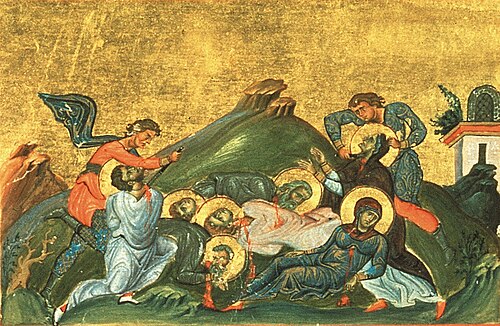
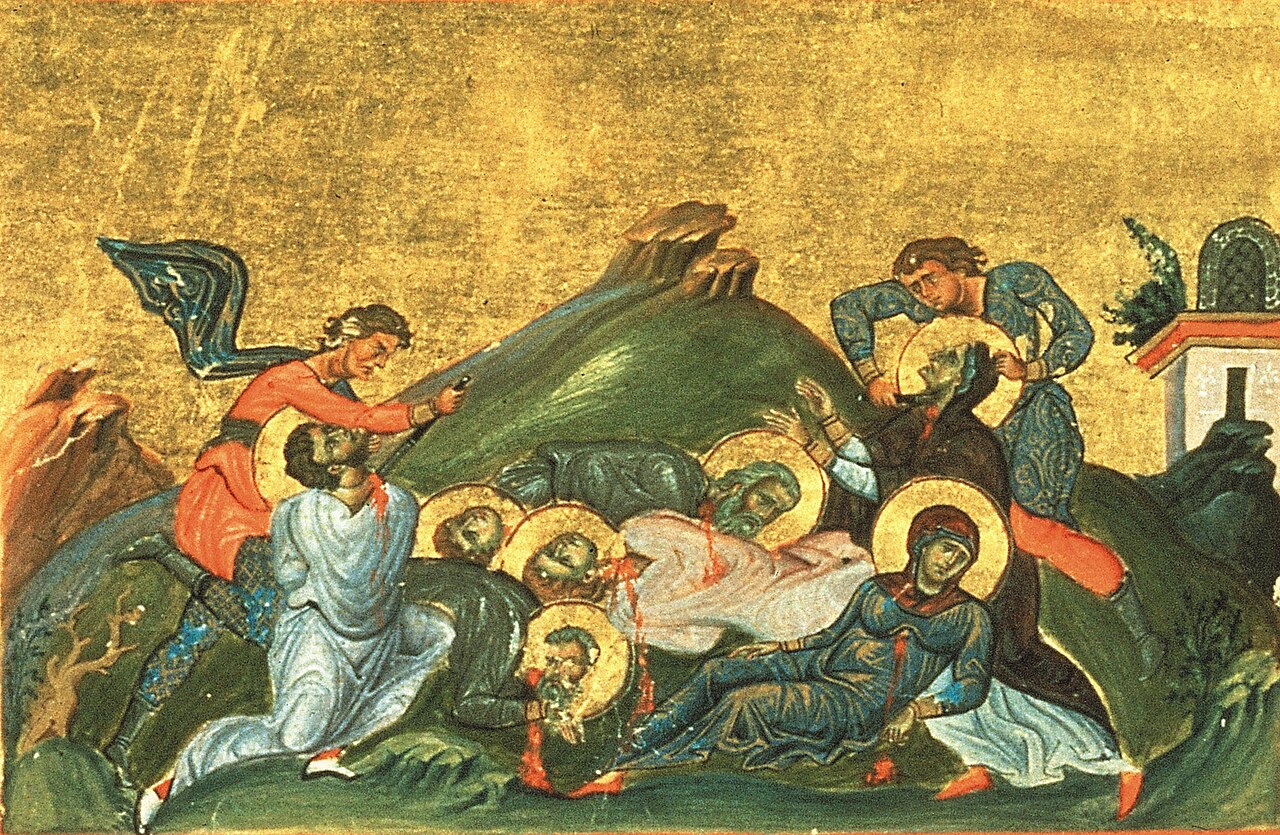
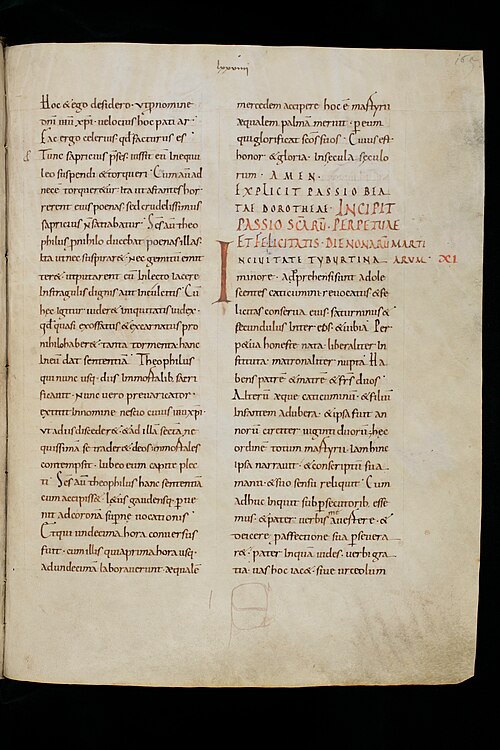
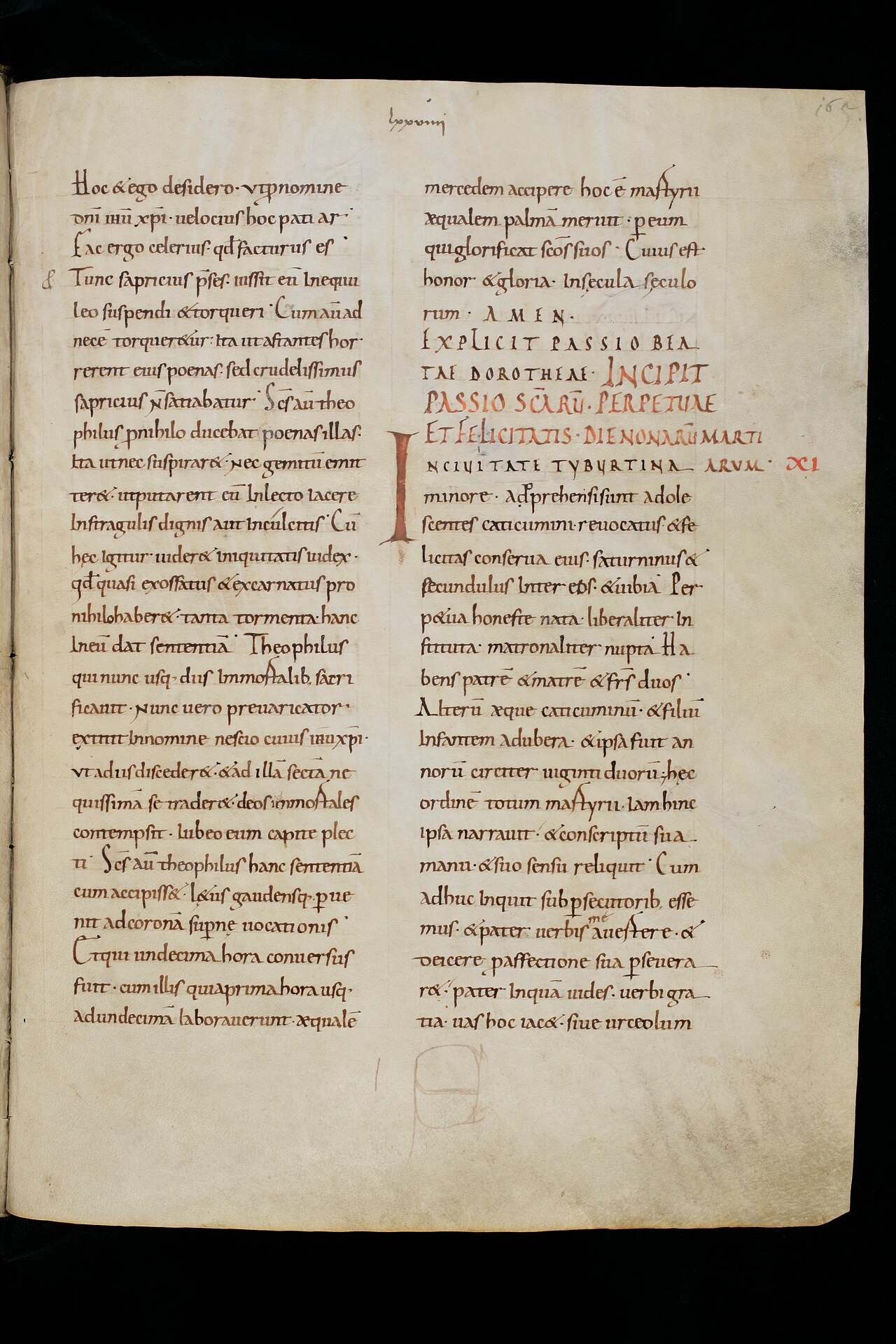
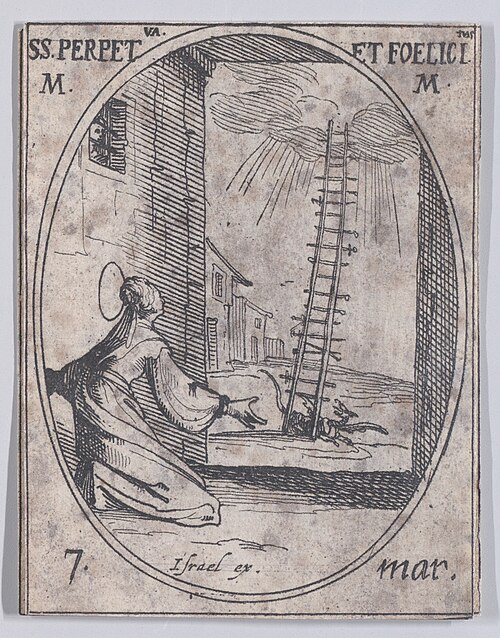
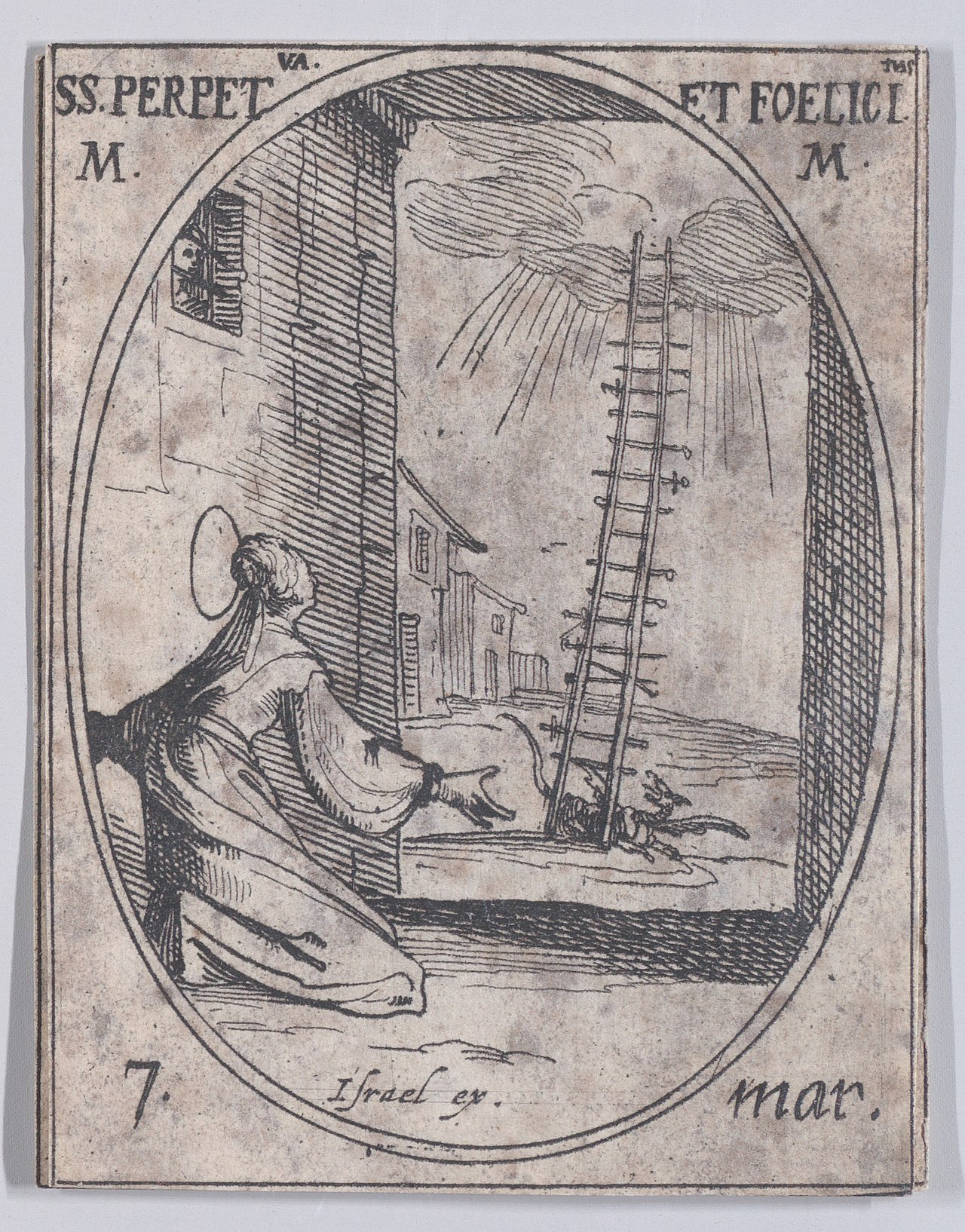
Perpetua was twenty-two, well-born, well-educated, nursing an infant son, when she was arrested at Carthage in 203 as a catechumen under Septimius Severus’s edict. In prison she kept a diary — the earliest surviving pages written by a Christian woman — recording her father’s desperate visits, the baby at her breast, and her ladder-vision of bronze rungs set with weapons rising past a serpent to a garden. With her stood the slave Felicity, who gave birth two days before they faced the beasts together, mistress and slave made equal in the arena. An editor, perhaps Tertullian, framed her pages with an eyewitness account of their deaths. The Passion was read aloud in African churches for centuries — Augustine had to warn his flock not to rank it with Scripture.
Also listed in martyrs and women.
Common questions
When did Vibia Perpetua live?
Vibia Perpetua is dated c. 182 – 203 in the archive, which places Vibia Perpetua in the Ante-Nicene Church (AD 180–313). The dating is traditional and approximate; the archive marks it as uncertain rather than fixing a year the sources do not give.
What did Vibia Perpetua write?
Vibia Perpetua has 1 catalogued writing in the archive: The Passion of Perpetua and Felicity (her prison diary).
Which early sources mention Vibia Perpetua?
Vibia Perpetua is named in 3 primary-source passages catalogued here, drawn from Vibia Perpetua (prison diary), The chronographer of 354 and Augustine of Hippo. Every passage is quoted from a named public-domain translation, earliest first.
Where was Vibia Perpetua from?
The archive associates Vibia Perpetua with Carthage.
Writings (1)
The Passion of Perpetua and Felicity (her prison diary)
203“Father,” said I, “do you see this vessel lying here?… Can it be called by any other name than what it is?” And he said, “No.” “Neither can I call myself anything else than what I am, a Christian.”Read the interlinear source text →
Primary-source mentions (3)
Every passage below is quoted from a named public-domain translation, earliest first.
The Passion of Perpetua and Felicity
c. AD 203‘Father,’ said I, ‘do you see this vessel lying here, this little pitcher, or whatever it may be?’ And he said, ‘I see it.’ …‘Can it be called by any other name than what it is?’ And he answered, ‘No.’ ‘So also can I call myself nothing other than what I am, a Christian.’Vibia Perpetua (prison diary) · source text
Depositio martyrum (Chronography of 354): 'Non. Mart. Perpetuae et Felicitatis, Africae'
c. AD 354Nonis Martiis: Perpetuae et Felicitatis, Africae — On the Nones of March, of Perpetua and Felicity, in Africa.The chronographer of 354 · Depositio martyrum · source text
Sermons 280–282 (preached on her feast at Carthage)
c. AD 410Connected in the archive
Died under the Severan edict in Tertullian’s Carthage; her Passion was still being preached on by Augustine two centuries later
People
- Tertullian of Carthage
- Augustine of Hippo
- Dinocrates
- Felicity (Felicitas)
- Pomponius the Deacon
- Revocatus
- Saturninus of Carthage
- Saturus
- Secundulus
- Tertius the Deacon
- Pudens the Warder
- Aspasius of Carthage
- Hilarianus, procurator of Africa
- Optatus of Carthage
- Emperor Septimius Severus
- Crispina of Thagara
Events in this lifetime
Place
Places served
The one place the sources put Vibia Perpetua.