The Ante-Nicene Church · AD 180–313
Tertullian of Carthage
Also known as Quintus Septimius Florens Tertullianus
c. 155 – c. 220 · First theologian of Latin Christianity (later Montanist) · Carthage
The Ante-Nicene Church
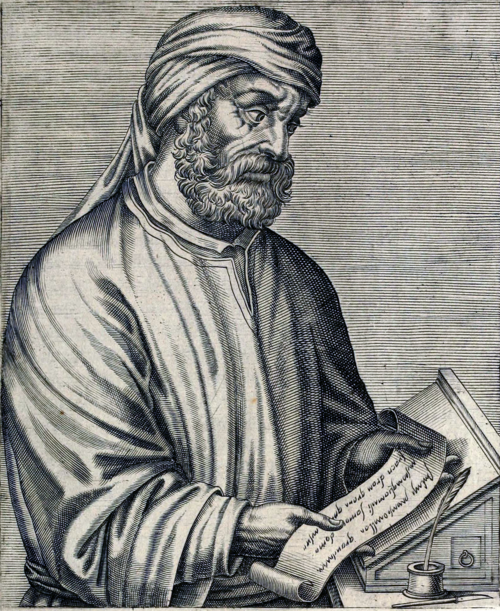
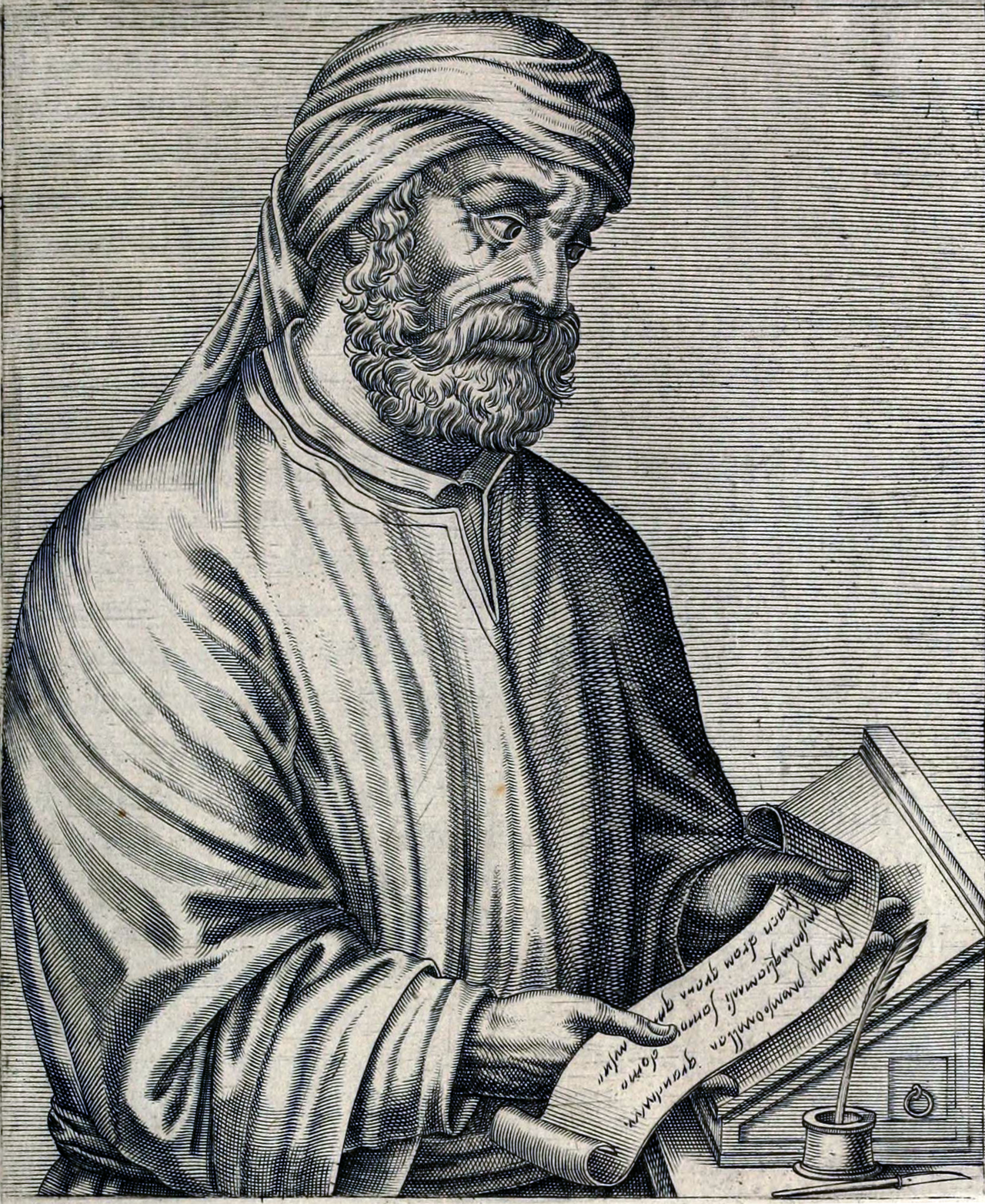
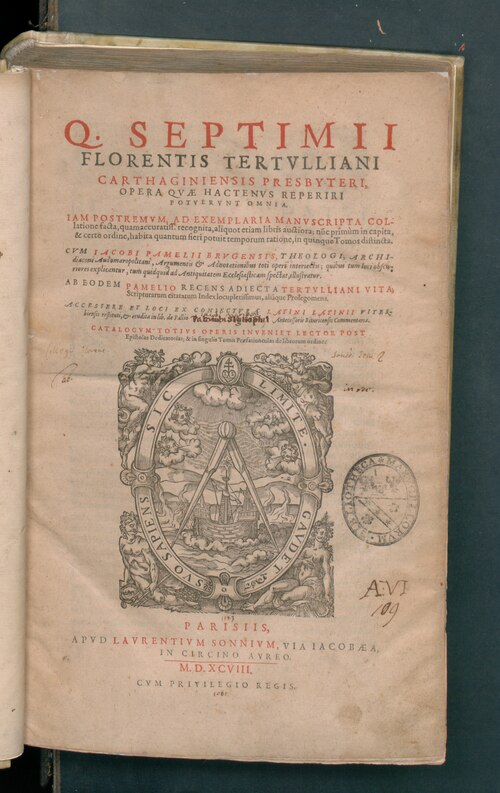
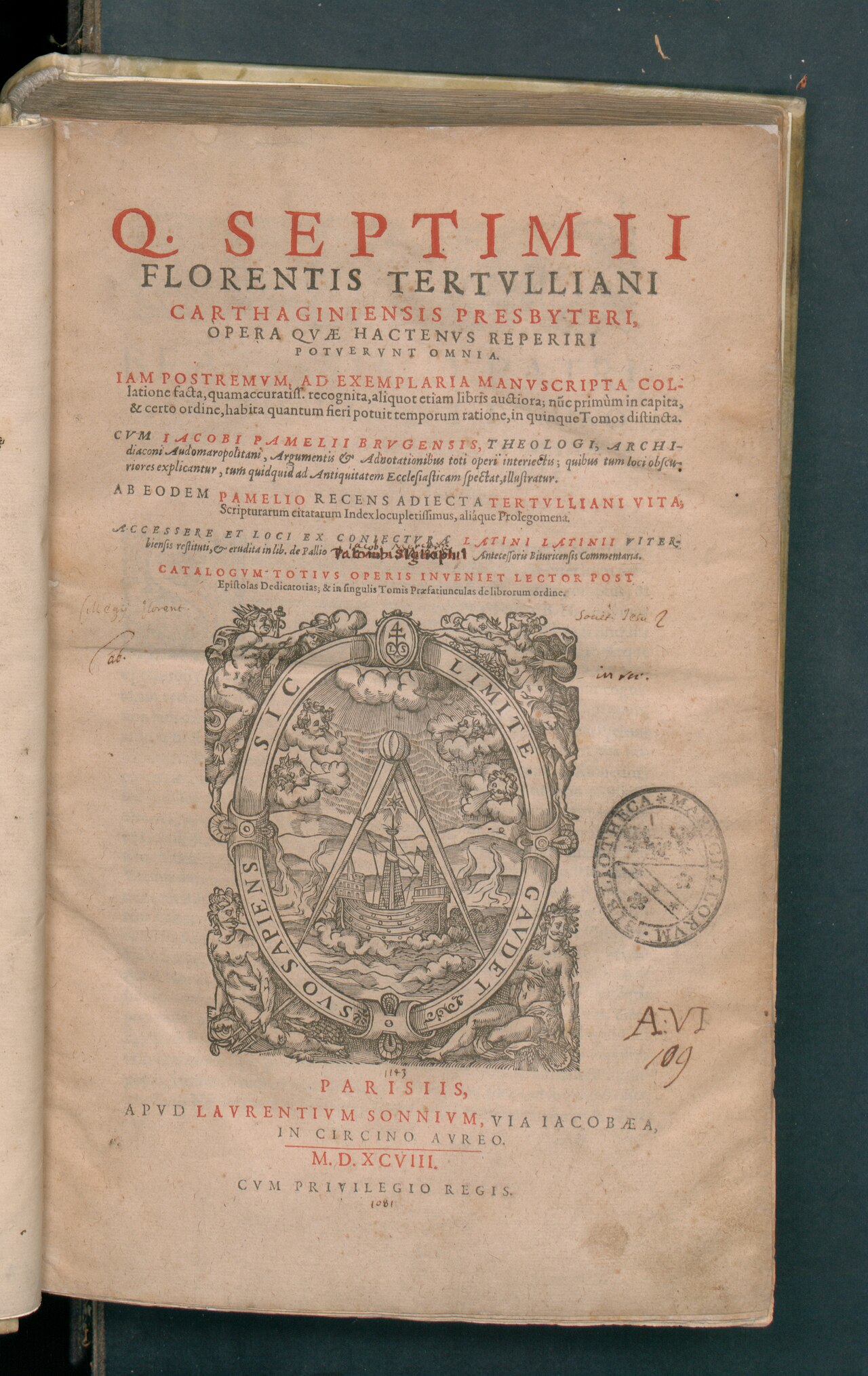


.jpg)

Who Tertullian of Carthage was
Son of a Carthaginian centurion, trained in rhetoric and law, Tertullian converted around 197 and turned the Latin language into a theological instrument — coining, by one count, nearly a thousand new words, among them trinitas. His Apology mocks Rome’s justice with a lawyer’s glee; his On the Prescription of Heretics rules the Scriptures the church’s property before the argument even starts; Against Praxeas gave the West its enduring formula, “one substance, three persons,” a full century before Nicaea. Rigorist by temperament, he drifted in middle age to the prophetic Montanist movement — the church’s first great theologian died outside her communion, yet Cyprian never let a day pass without him.
Also listed in heretics & schismatics.
Common questions
When did Tertullian live?
Tertullian of Carthage is dated c. 155 – c. 220 in the archive, which places Tertullian in the Ante-Nicene Church (AD 180–313). The dating is traditional and approximate; the archive marks it as uncertain rather than fixing a year the sources do not give.
What did Tertullian write?
Tertullian of Carthage has 2 catalogued writings in the archive: Apology and On the Prescription of Heretics.
Which early sources mention Tertullian?
Tertullian of Carthage is named in 4 primary-source passages catalogued here, drawn from Eusebius of Caesarea, Jerome, Augustine of Hippo and Vincent of Lérins. Every passage is quoted from a named public-domain translation, earliest first.
Where was Tertullian from?
The archive associates Tertullian of Carthage with Carthage.
Writings (2)
Apology
197Kill us, torture us, condemn us, grind us to dust… The oftener we are mown down by you, the more in number we grow; the blood of Christians is seed.Read the interlinear source text →
On the Prescription of Heretics
c. 200What indeed has Athens to do with Jerusalem? What concord is there between the Academy and the Church?… With our faith, we desire no further belief.Read the interlinear source text →
Primary-source mentions (4)
Every passage below is quoted from a named public-domain translation, earliest first.
Ecclesiastical History II.2 ('well versed in the laws of the Romans')
c. AD 325Tertullian, a man well versed in the laws of the Romans, and in other respects of high repute, and one of the especially distinguished men in Rome.Eusebius of Caesarea · Ecclesiastical History II.2 · source text
On Illustrious Men 53
c. AD 393…Cyprian was accustomed never to pass a day without reading Tertullian, and… he frequently said to him, 'Give me the master,' meaning by this, Tertullian.Jerome · 53 · source text
On Heresies 86 (the Tertullianists, folded back into the church at Rome)
c. AD 428Commonitorium 18 (first of the Latins, and the warning of his fall)
c. AD 434For who was more learned than he? Who more versed in knowledge, whether divine or human?Vincent of Lérins · Commonitorium 18
The Commonitorium of Vincent of Lérins, written in Gaul in AD 434 — the treatise that gave the West its rule of what is held everywhere, always and by all. Chapter 18 praises Tertullian as first of the Latins and then warns of his fall. Critical text: Roland Demeulenaere, Corpus Christianorum Series Latina 64 (1985). English translation by C. A. Heurtley, Nicene and Post-Nicene Fathers, 2nd series, vol. 11 (1894), public domain.
Connected in the archive
Cyprian read him daily — “Give me the master”; his Carthage witnessed Perpetua’s martyrdom; sharpened the vocabulary Theophilus began
People
- Cyprian of Carthage
- Vibia Perpetua
- Theophilus of Antioch
- Marcion of Sinope
- Valentinus
- Montanus
- P. Vigellius Saturninus
- Hermogenes the Heretic
- Praxeas
- Minucius Felix
Events in this lifetime
- AD 156 · The New Prophecy erupts, AD 156
- AD 177 · Persecution at Lyon and Vienne, AD 177
- AD 180 · The Scillitan martyrs, AD 180
- AD 190 · The Quartodeciman controversy, AD 190
- AD 202 · Perpetua and Felicity martyred, AD 202
Place
Places served
The one place the sources put Tertullian.