The Ante-Nicene Church · AD 180–313 · External witness
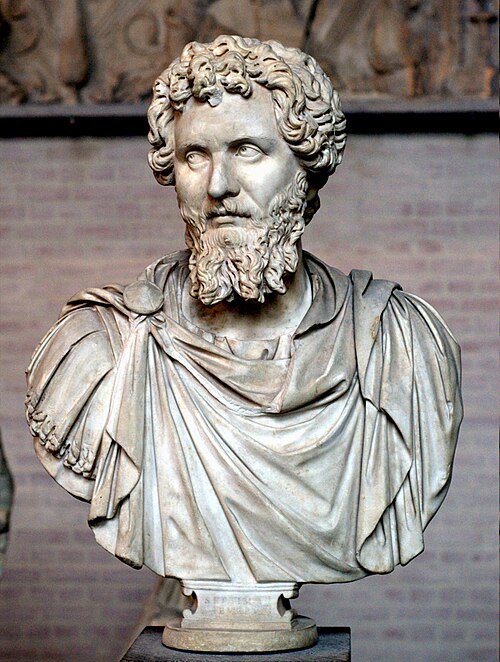
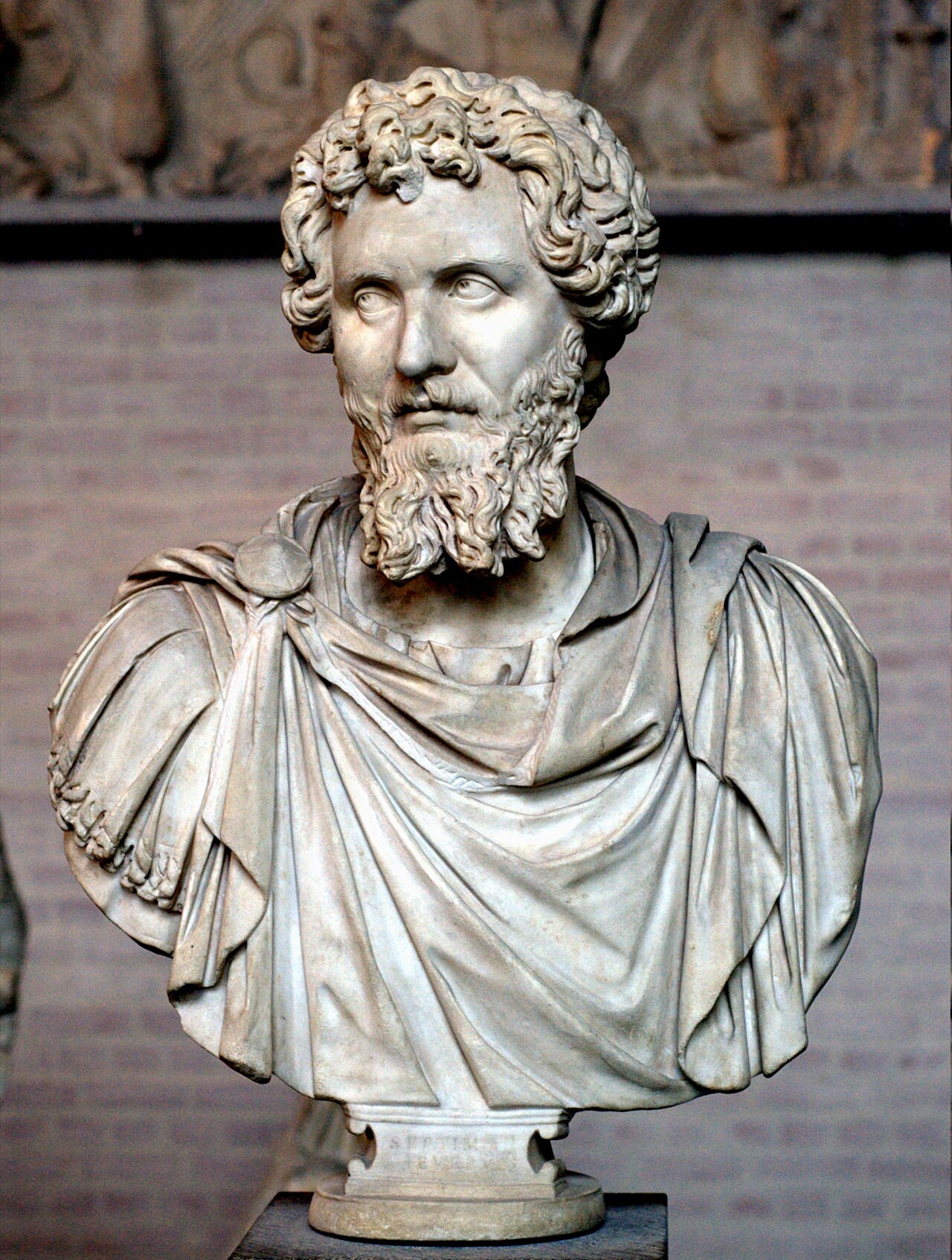
Emperor Septimius Severus
d. AD 211 · Roman Emperor (193–211) · Rome → the East → Britain
External witness

Who Emperor Septimius Severus was
The African-born soldier-emperor under whom, tradition holds, an edict of c. 202 forbade conversion to Christianity (and Judaism), triggering the persecutions that killed Perpetua and Felicity at Carthage, Leonides the father of Origen at Alexandria, and Potamiaena and others. Whether a specific edict existed is debated by modern historians, but the church’s memory is firm: the Severan years brought the first persecution to strike the catechetical heart of Alexandria and produced the Passion of Perpetua. He died at York campaigning in Britain; the church counted his reign among its seasons of blood.
Also listed in non-christian witnesses and roman emperors.
Common questions
When did Emperor Septimius Severus die?
Emperor Septimius Severus is dated d. AD 211 in the archive, which places Emperor Septimius Severus in the Ante-Nicene Church (AD 180–313).
Which early sources mention Emperor Septimius Severus?
Emperor Septimius Severus is named in 3 primary-source passages catalogued here, drawn from Tertullian of Carthage, Eusebius of Caesarea and The Augustan History. Every passage is quoted from a named public-domain translation, earliest first.
Where was Emperor Septimius Severus from?
The archive associates Emperor Septimius Severus with Rome, the East, Britain. The sources record more than one location, so the places are listed in the order the record moves through them.
Who were Emperor Septimius Severus’ contemporaries?
The archive links Emperor Septimius Severus to 4 other figures, including Vibia Perpetua, Origen of Alexandria, Emperor Maximinus Thrax and Leonides of Alexandria. Each connection is drawn from a source that places them together, not from inference.
Primary-source mentions (3)
Every passage below is quoted from a named public-domain translation, earliest first.
To Scapula 4 (the emperor who sheltered Proculus)
c. AD 212Severus, the father of Antoninus, was mindful of the Christians; for he sought out the Christian Proculus... and kept him in his palace till the day of his death.Tertullian of Carthage · To Scapula 4 · source text
Ecclesiastical History VI.1
c. AD 325When Severus began to persecute the churches, glorious testimonies were given everywhere by the champions of religion. This was especially the case in Alexandria… and there Leonides, the father of Origen, was beheaded.Eusebius of Caesarea · VI.1 · source text
Historia Augusta, Severus 17 (the ban on conversion reported)
c. AD 395He forbade conversion to Judaism under heavy penalties and enacted a similar law in regard to the Christians.The Augustan History · Historia Augusta, Severus 17.1
The Historia Augusta, a collection of imperial biographies compiled in Latin in the late fourth century and pseudonymously ascribed to six authors — unreliable on detail, but for some events the only source. Latin text: Susan H. Ballou (through Avidius Cassius) and Hermann Peter. English translation by David Magie, Loeb Classical Library 139 (1921), public domain — the copyright expired, and those on volumes II and III were never renewed.
Connected in the archive
People
Named alongside Emperor Septimius Severus in the sources
This figure is placed with Emperor Septimius Severus by the record — in a council roll, a martyr-act, a letter or a history — without Emperor Septimius Severus naming them in return.
Events in this lifetime
- AD 144 · Marcion expelled at Rome, AD 144
- AD 156 · The New Prophecy erupts, AD 156
- AD 177 · Persecution at Lyon and Vienne, AD 177
- AD 180 · The Scillitan martyrs, AD 180
- AD 190 · The Quartodeciman controversy, AD 190
- AD 202 · Perpetua and Felicity martyred, AD 202
Place
Places served
The 3 places the sources put Emperor Septimius Severus, in the order the record moves through them. This is what the sources attest, not a reconstructed route.