The Nicene Age · AD 313–400
Martin of Tours
c. 316 – 397 · Soldier → Monk → Bishop of Tours · Pannonia → Gaul
The Nicene Age


Who Martin of Tours was
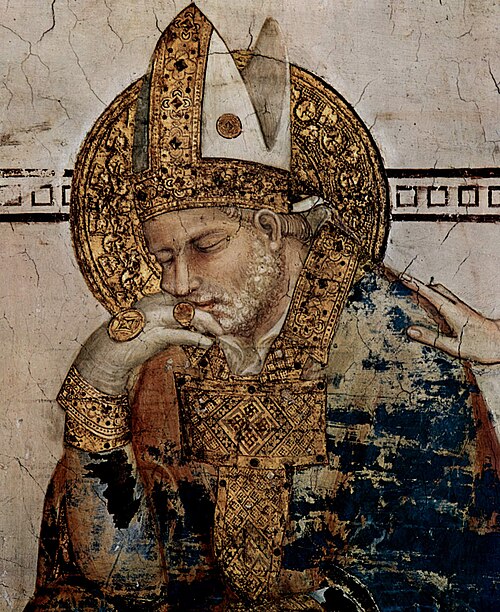
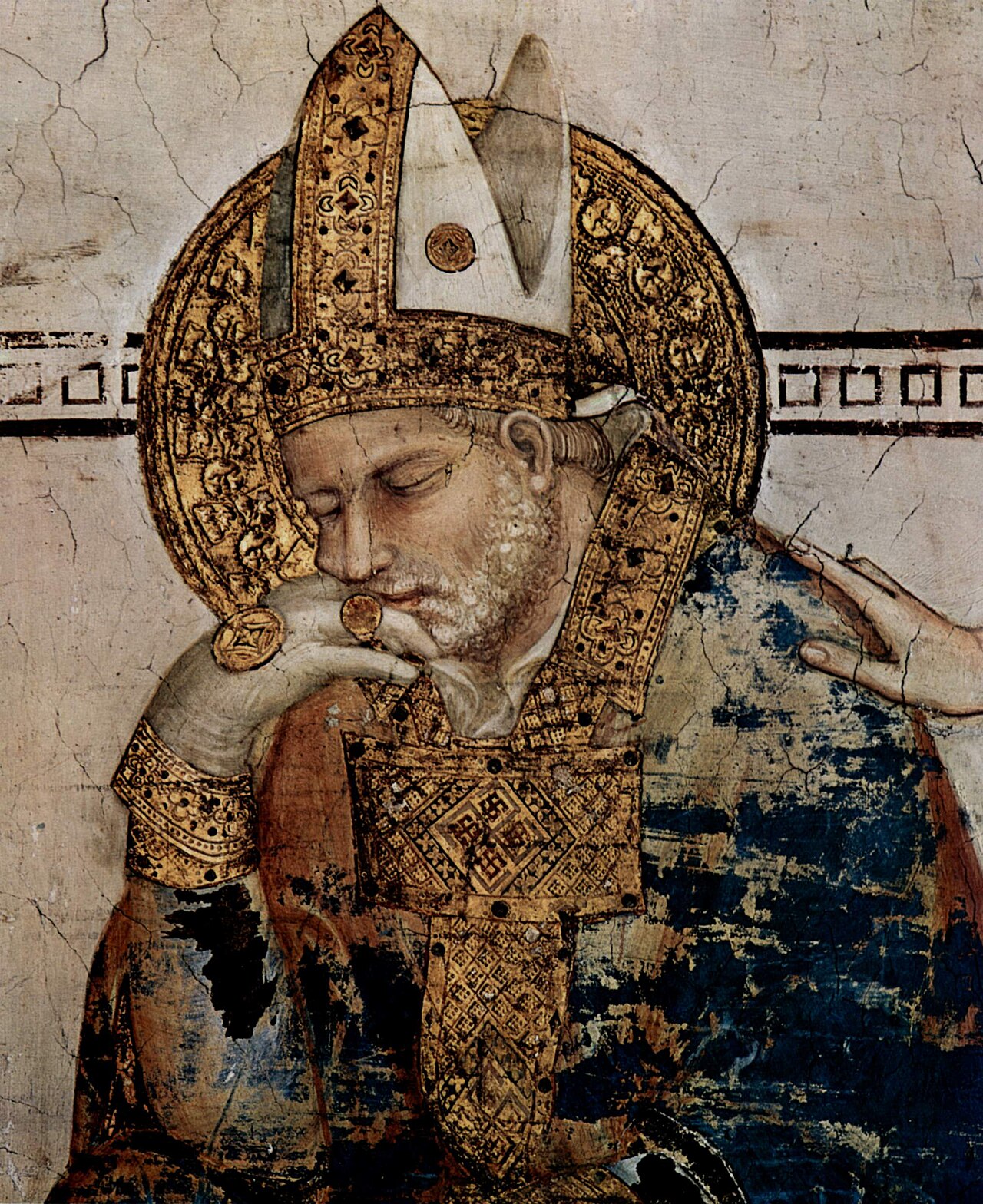
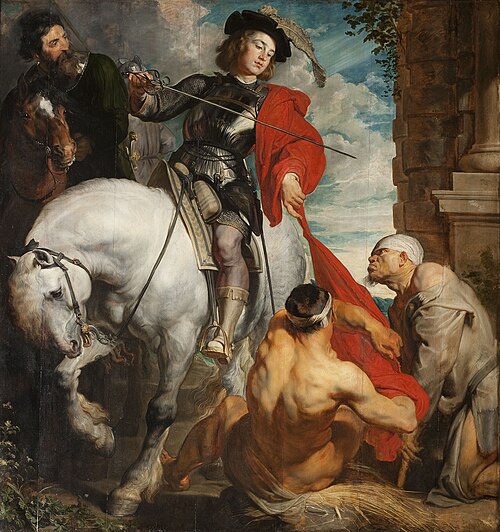
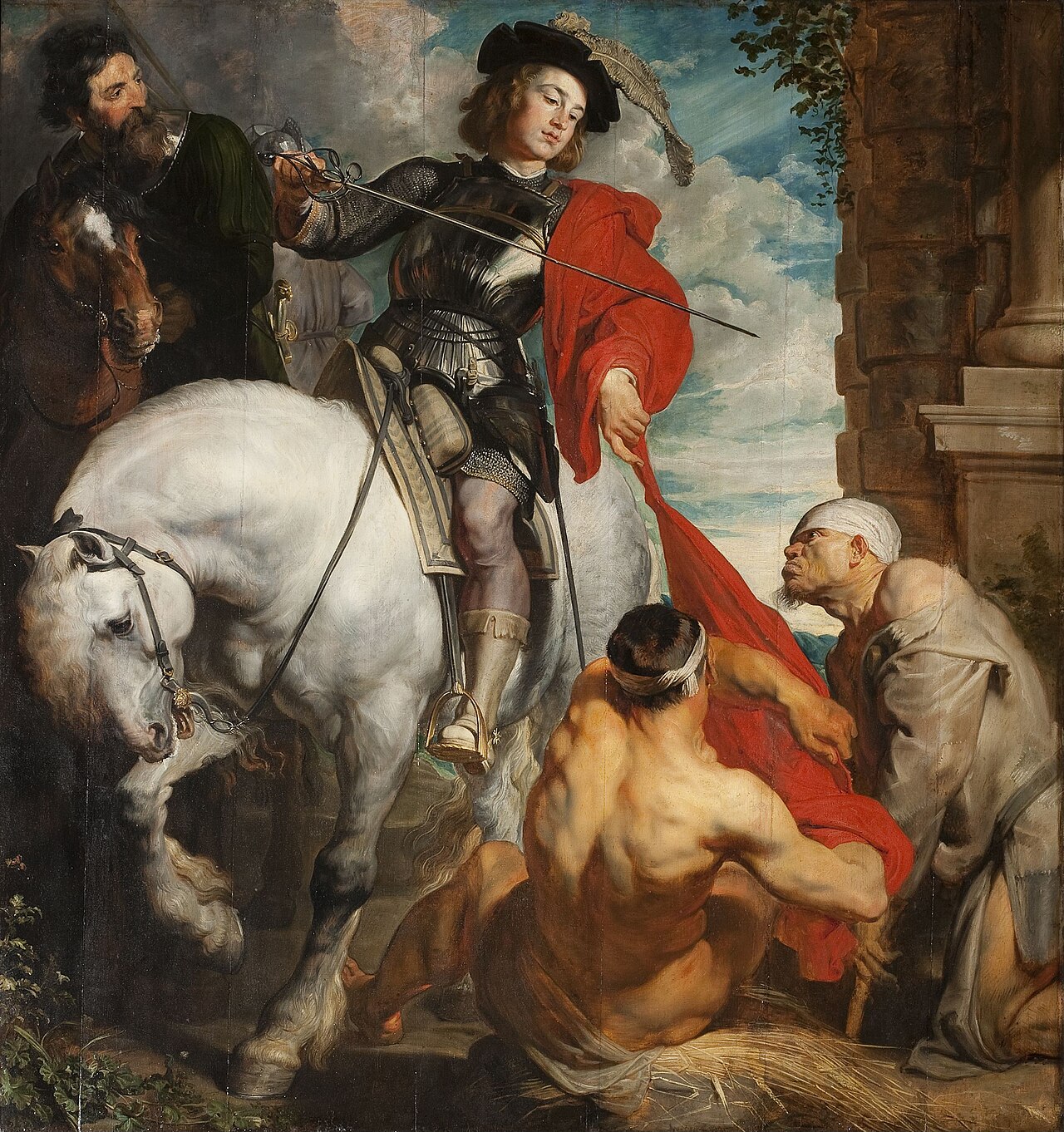
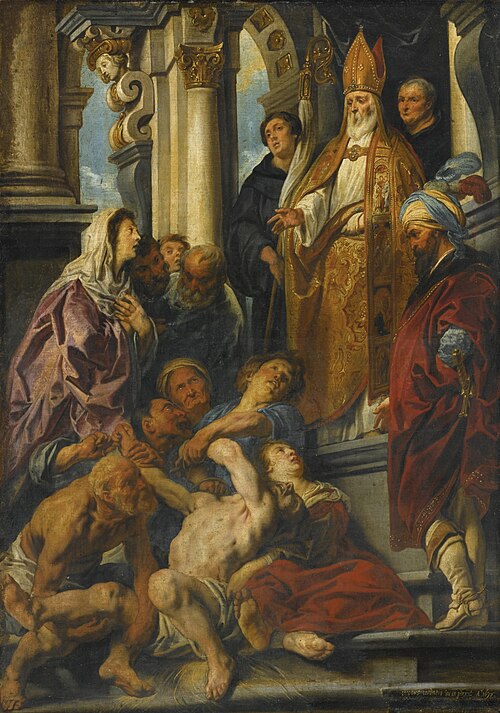
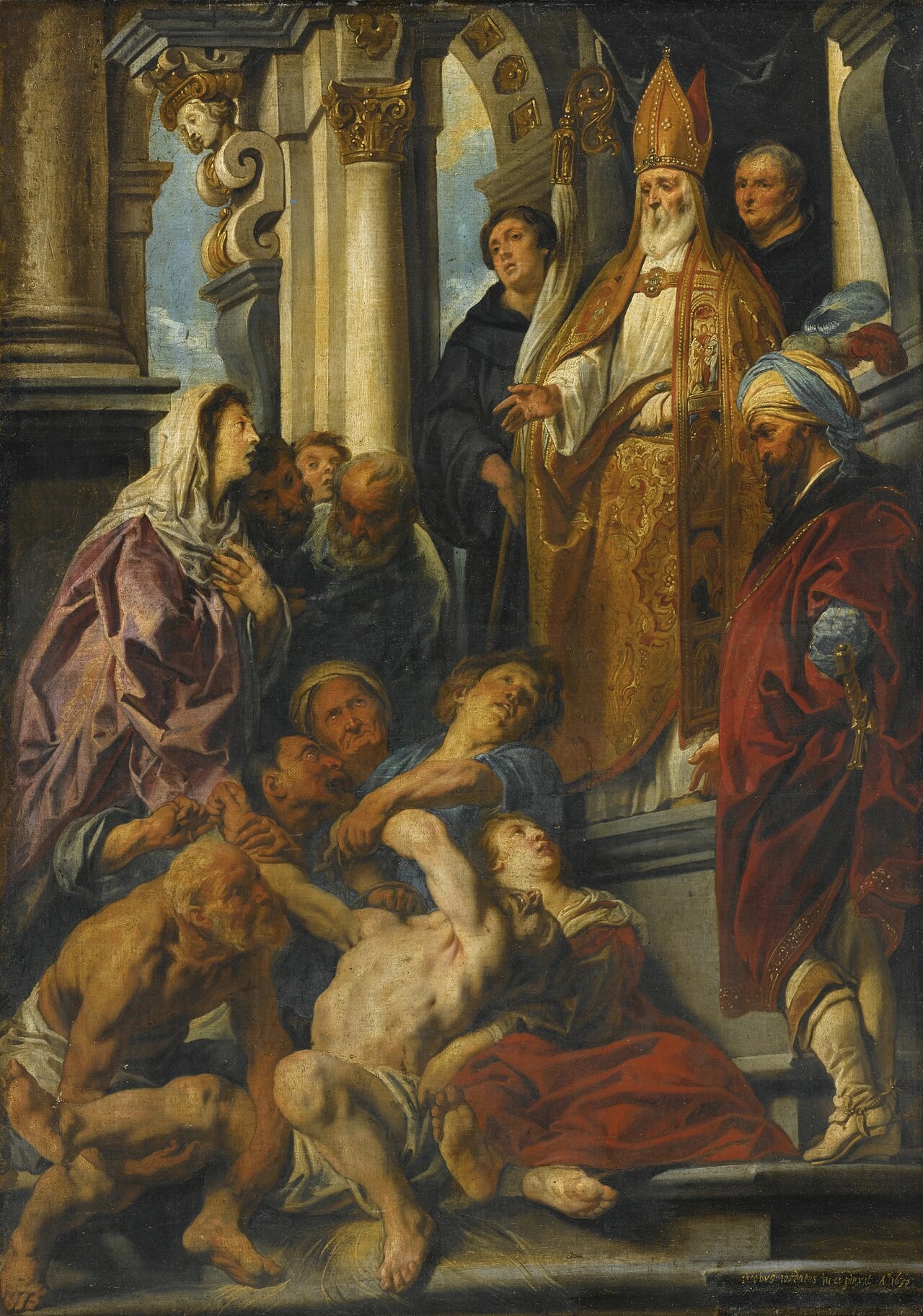
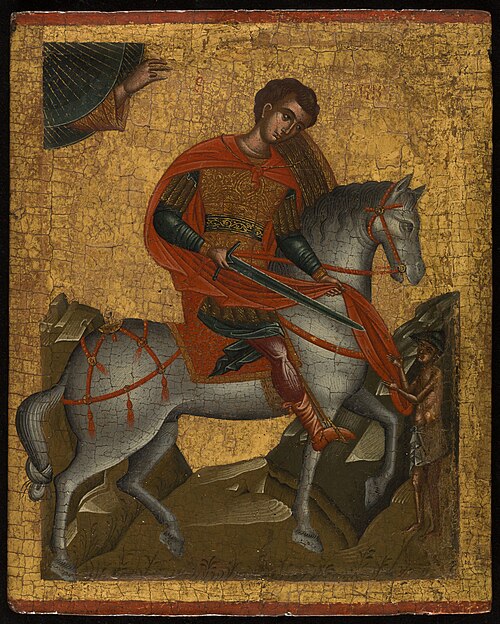
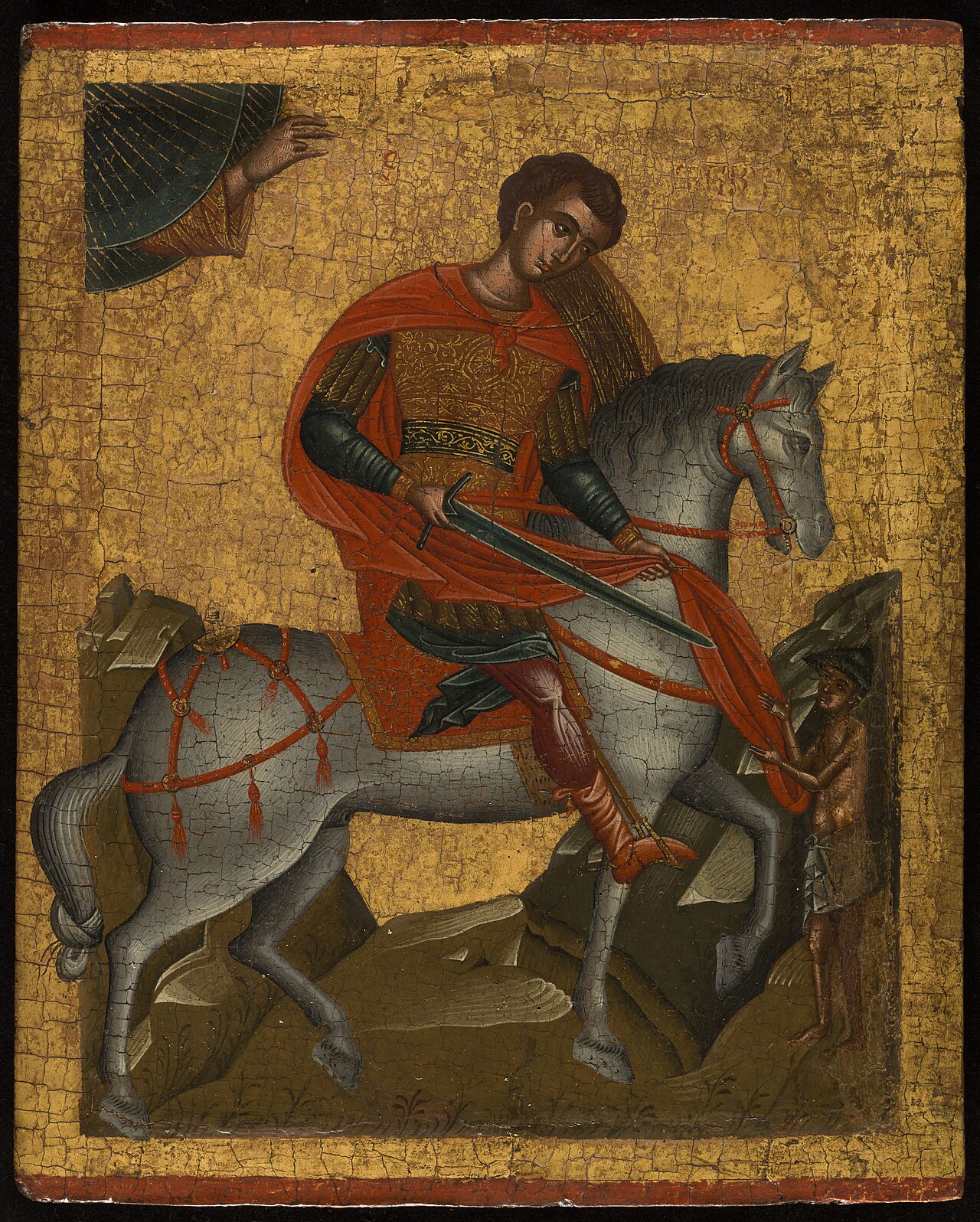
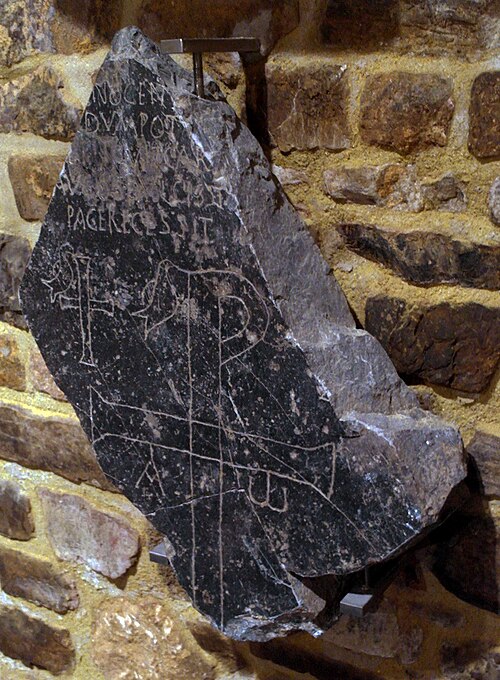
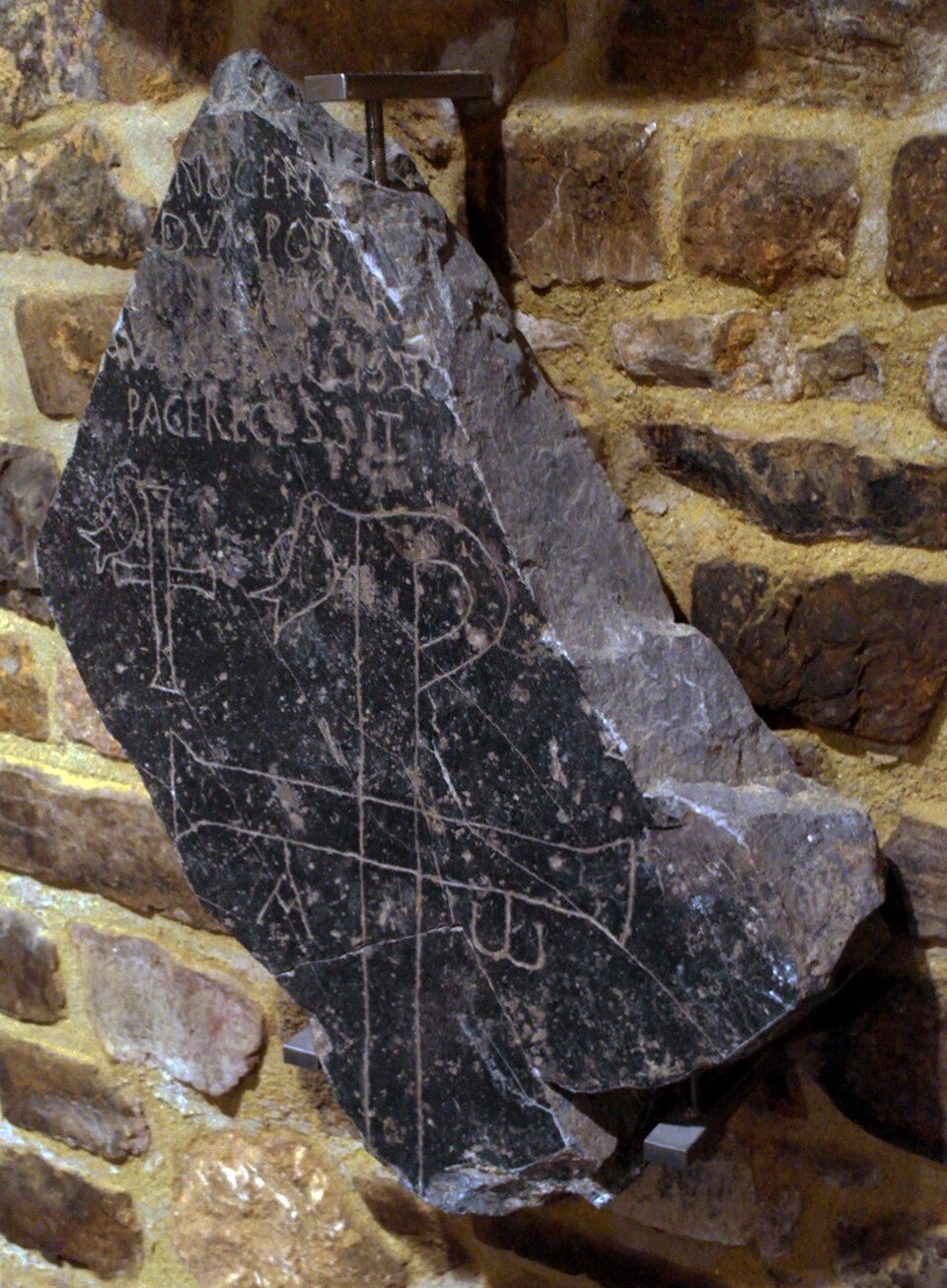
A conscript cavalryman’s son from Pannonia, Martin was a catechumen soldier at Amiens when he cut his military cloak in two for a freezing beggar and dreamed that night of Christ wearing the half. Discharged after refusing a battle donative — “I am Christ’s soldier; I am not allowed to fight” — he sat at Hilary’s feet, founded at Ligugé the first monastery in Gaul, and in 371 was carried off by stratagem to be bishop of Tours, where he lived in a riverside cell among eighty monks and evangelized the pagan countryside, felling sacred trees with a missionary’s nerve. Sulpicius Severus published his Life while Martin still lived; it became the pattern for a thousand years of saints’ lives, and Martin the first great saint who was not a martyr.
Also listed in bishops beyond the great sees and desert fathers & mothers.
Common questions
When did Martin live?
Martin of Tours is dated c. 316 – 397 in the archive, which places Martin in the Nicene Age (AD 313–400). The dating is traditional and approximate; the archive marks it as uncertain rather than fixing a year the sources do not give.
What did Martin write?
Martin of Tours has 2 catalogued writings in the archive: Life of St. Martin, by Sulpicius Severus and His last words (Sulpicius, Letter 3).
Which early sources mention Martin?
Martin of Tours is named in 4 primary-source passages catalogued here, drawn from Sulpicius Severus and Paulinus of Nola. Every passage is quoted from a named public-domain translation, earliest first.
Where was Martin from?
The archive associates Martin of Tours with Pannonia, Gaul. The sources record more than one location, so the places are listed in the order the record moves through them.
Writings (2)
Life of St. Martin, by Sulpicius Severus
c. 396“Hitherto,” said Martin to Caesar, “I have served you as a soldier: allow me now to become a soldier to God… I am the soldier of Christ: it is not lawful for me to fight.”Read the interlinear source text →
His last words (Sulpicius, Letter 3)
397Lord, if I am still necessary to Thy people, I do not refuse the labour: Thy will be done.Read the interlinear source text →
Primary-source mentions (4)
Every passage below is quoted from a named public-domain translation, earliest first.
The Letters of Sulpicius (the death at Candes and the contested body)
c. AD 397The Life of St Martin
c. AD 400In the following night… he saw Christ clothed in that part of his cloak with which he had covered the poor man, and heard Jesus saying with a clear voice to the angels: 'Martin, who is still but a catechumen, has clothed me with this robe.'Sulpicius Severus · source text
Paulinus of Nola, Letter 18.9 (Martin admired from Campania)
c. AD 400[Writing to Victricius of Rouen, Paulinus sets Martin of Tours among the living bishops he holds in honour.]Paulinus of Nola · Paulinus of Nola, Epistle 18.9
The letters of Paulinus of Nola, written between c. AD 394 and 423 and the chief record of the western ascetic circle around him. Critical text: Wilhelm von Hartel, Corpus Scriptorum Ecclesiasticorum Latinorum 29 (1894); English translation by P. G. Walsh, Ancient Christian Writers 35–36 (1966–67). No public-domain English translation exists.
Chronicle II.50 (Martin against the executions at Trier)
c. AD 403Connected in the archive
Formed by Hilary of Poitiers; his Life by Sulpicius Severus circulated in Augustine’s Africa within years
People
Events in this lifetime
- AD 320 · Silvanus tried before Zenophilus, AD 320
- AD 325 · The Council of Nicaea, AD 325
- AD 339 · The persecution of Shapur II, AD 339
- AD 343 · The Council of Serdica, AD 343
- AD 361 · Julian’s pagan restoration, AD 361
- AD 366 · Damasus and the catacomb epigrams, AD 366
- AD 367 · Athanasius lists the 27 NT books, AD 367
- AD 372 · The martyrdom of Sabbas the Goth, AD 372
- AD 378 · Queen Mavia’s revolt, AD 378
- AD 380 · The Edict of Thessalonica, AD 380
- AD 381 · The Council of Constantinople, AD 381
- AD 381 · The Council of Aquileia, AD 381
- AD 384 · The Altar of Victory petition, AD 384
- AD 390 · Thessalonica and the penance of Theodosius, AD 390
Place
Places served
The 2 places the sources put Martin, in the order the record moves through them. This is what the sources attest, not a reconstructed route.