The Ante-Nicene Church · AD 180–313
Athenagoras of Athens
c. 133 – c. 190 · Philosopher of Athens · Apologist · Athens
The Ante-Nicene Church

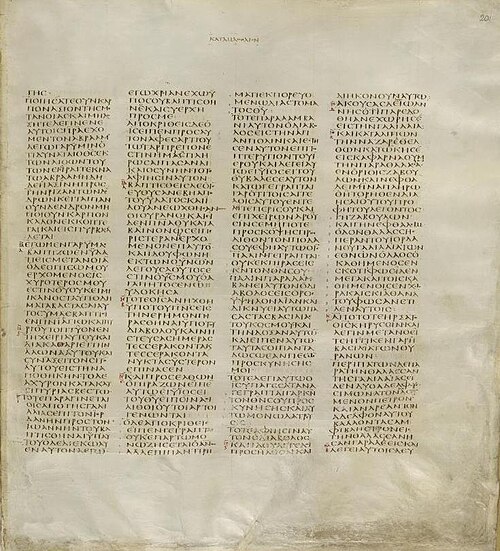


Who Athenagoras of Athens was
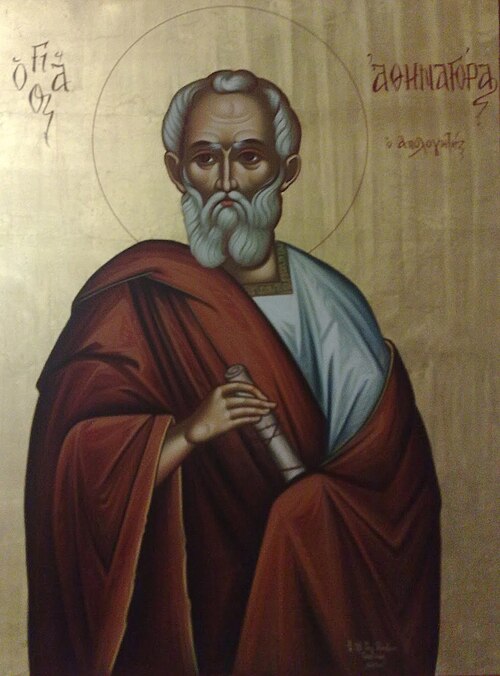
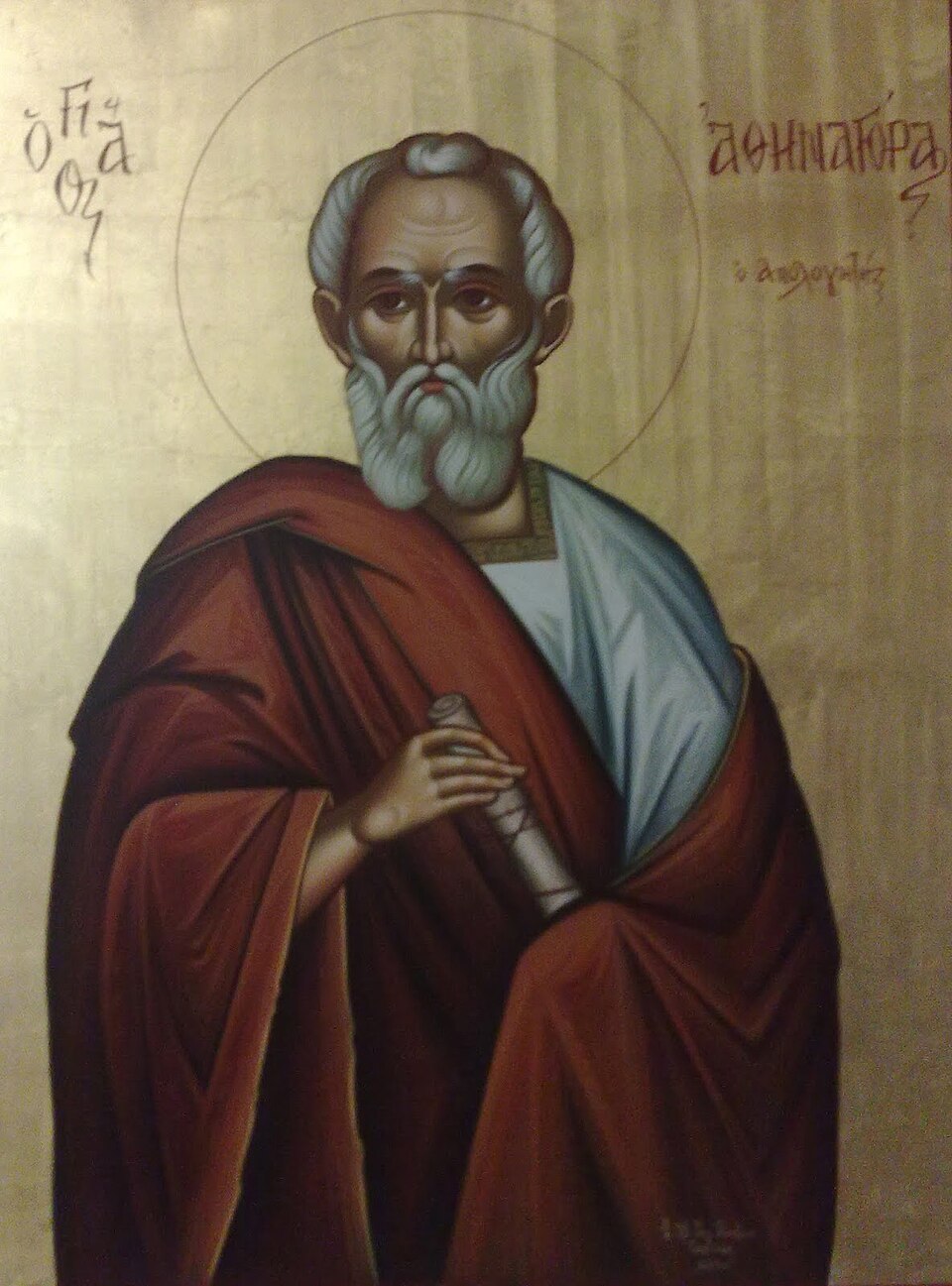
“Athenagoras, the Athenian, philosopher and Christian” — so he styles himself, and nothing more is known of the most elegant of the second-century apologists. His Plea for the Christians, addressed around 177 to Marcus Aurelius and Commodus, answers with Attic politeness the three standing slanders — atheism, Thyestean feasts, Oedipean unions — and in doing so produces some of the earliest careful Trinitarian language: the Son is the Logos of the Father “in idea and in operation,” the Spirit an “effluence of God.” His treatise On the Resurrection argues the body’s destiny from the nature of man. The mob got noisier; Athenagoras remains the proof that the faith could out-reason the Academy in its own dialect.
Common questions
When did Athenagoras live?
Athenagoras of Athens is dated c. 133 – c. 190 in the archive, which places Athenagoras in the Ante-Nicene Church (AD 180–313). The dating is traditional and approximate; the archive marks it as uncertain rather than fixing a year the sources do not give.
What did Athenagoras write?
Athenagoras of Athens has 2 catalogued writings in the archive: A Plea for the Christians and On the Resurrection of the Dead.
Which early sources mention Athenagoras?
Athenagoras of Athens is named in 3 primary-source passages catalogued here, drawn from Athenagoras of Athens, Methodius of Olympus and Philip of Side. Every passage is quoted from a named public-domain translation, earliest first.
Where was Athenagoras from?
The archive associates Athenagoras of Athens with Athens.
Writings (2)
A Plea for the Christians
c. 177Among us you will find uneducated persons, and artisans, and old women, who, if they are unable in words to prove the benefit of our doctrine, yet by their deeds exhibit the benefit arising from their persuasion of its truth.Read the interlinear source text →
On the Resurrection of the Dead
c. 180The whole nature of men in general is composed of an immortal soul and a body which was fitted to it in the creation… God gave independent being and life neither to the nature of the soul by itself, nor to the nature of the body separately.Read the interlinear source text →
Primary-source mentions (3)
Every passage below is quoted from a named public-domain translation, earliest first.
A Plea for the Christians · On the Resurrection
c. AD 177In your empire, greatest of sovereigns, different nations have different customs and laws… while we, who are called Christians, alone are hated for our very name. Yet what is only a name ought not to be hated: names deserve neither praise nor punishment — only deeds.Athenagoras of Athens · source text
Methodius, On the Resurrection (the sole ancient citation of him by name)
c. AD 300[Methodius cites Athenagoras by name — the only ancient writer known to do so.]Methodius of Olympus · Methodius, On the Resurrection
Methodius of Olympus's De resurrectione, written c. AD 300 against Origen's account of the risen body, surviving in Greek fragments and a complete Old Slavonic version. Greek fragments: G. Nathanael Bonwetsch, Die griechischen christlichen Schriftsteller 27 (1917). English translation of the fragments by William R. Clark, Ante-Nicene Fathers, vol. 6 (1886), public domain.
Philip of Side, Christian History, fragment (a garbled but independent notice)
c. AD 430[The notice is independent and garbled: it makes Athenagoras head of the Alexandrian school before Clement, which cannot be right, and is evidence for him all the same.]Philip of Side · Philip of Side, Christian History, fragment
A fragment of the lost Christian History of Philip of Side, written c. AD 430 and preserved in Codex Baroccianus 142 — the only ancient notice of Athenagoras besides Methodius's. Edited by Carl de Boor, Texte und Untersuchungen 5.2 (1888). No public-domain English translation exists.
Connected in the archive
Contemporary of Justin’s school; his era’s martyrs at Lyon suffered under the same emperor
People
Events in this lifetime
- AD 135 · Bar Kokhba crushed; Aelia Capitolina, AD 135
- AD 144 · Marcion expelled at Rome, AD 144
- AD 156 · The New Prophecy erupts, AD 156
- AD 177 · Persecution at Lyon and Vienne, AD 177
- AD 180 · The Scillitan martyrs, AD 180
- AD 190 · The Quartodeciman controversy, AD 190
Place
Places served
The one place the sources put Athenagoras.