The Apologists · AD 130–180
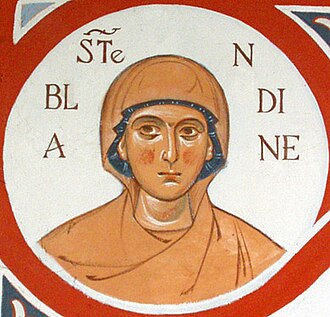
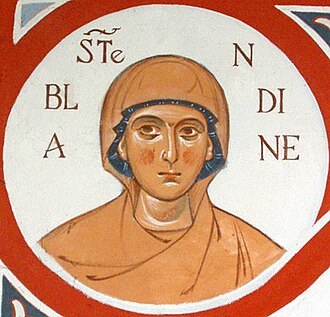
Blandina of Lyon
c. 162 – 177 · Slave · Martyr of the church of Lyon · Lugdunum, Gaul
The Apologists


_Jamie_Mulherron.jpg)


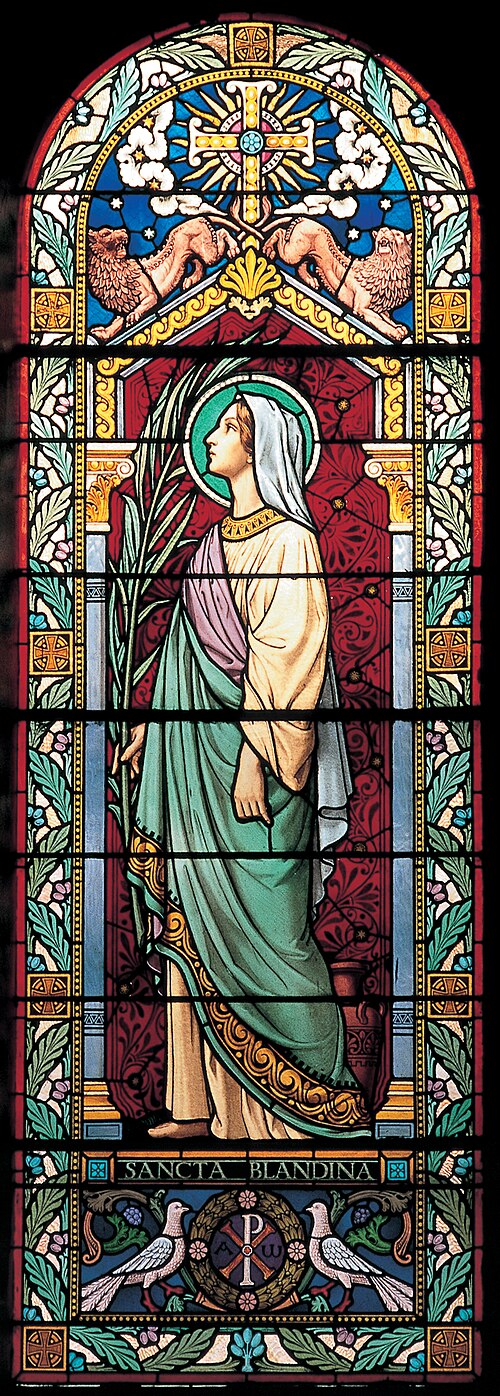
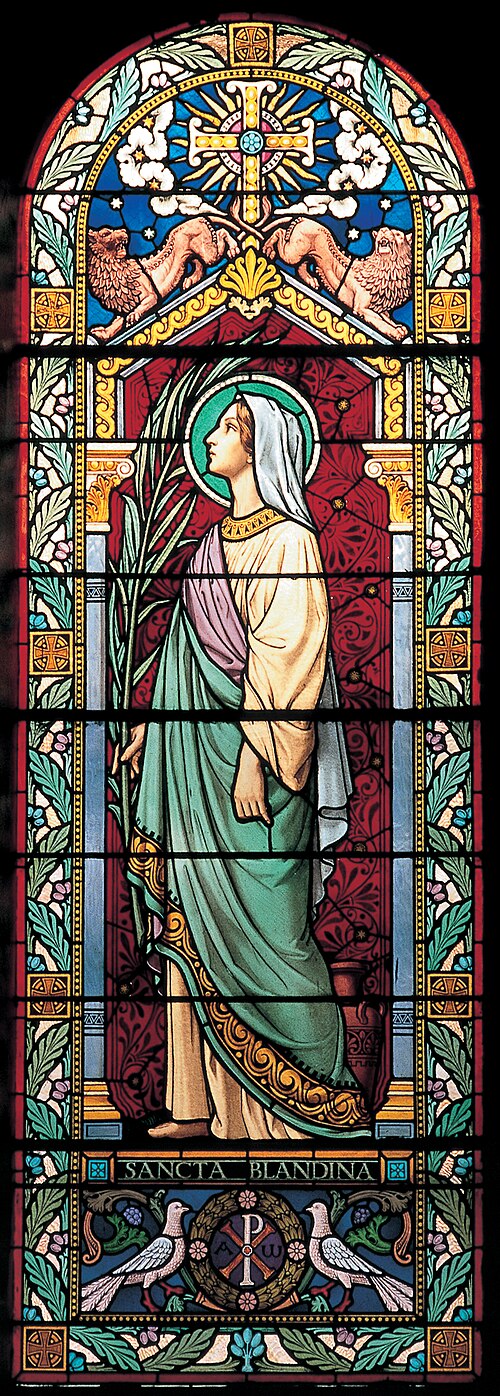
Who Blandina of Lyon was
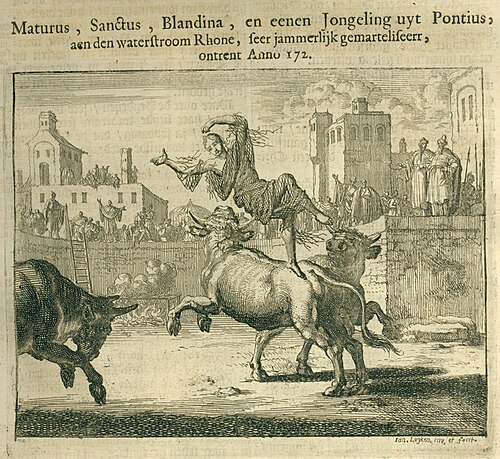
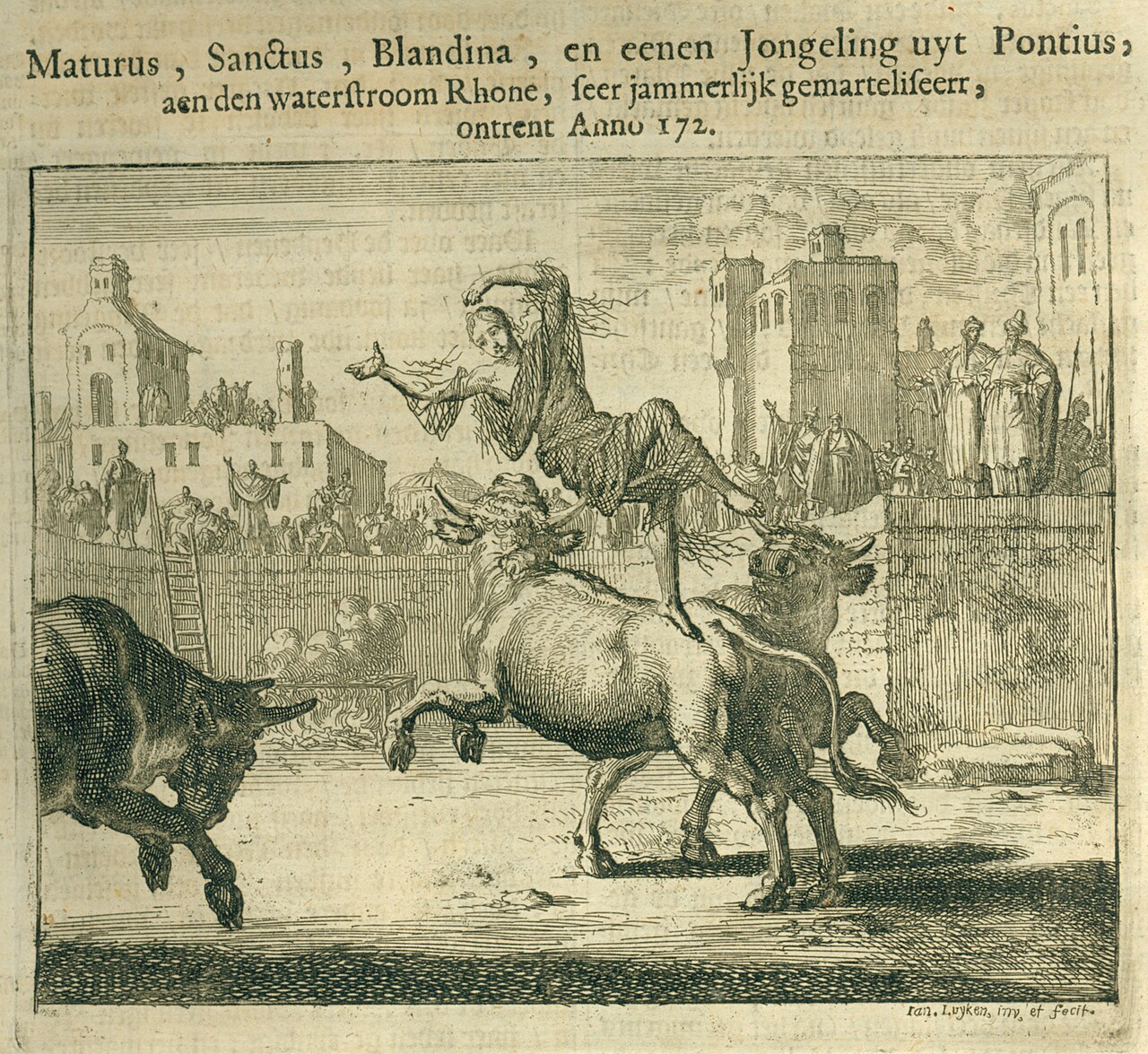
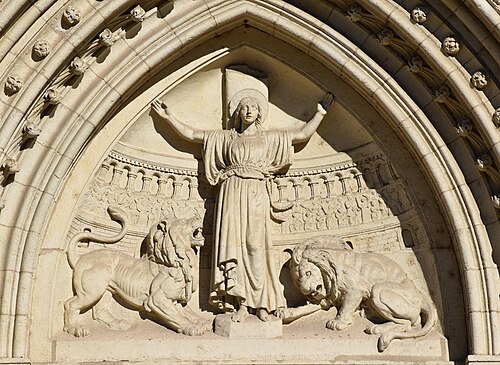
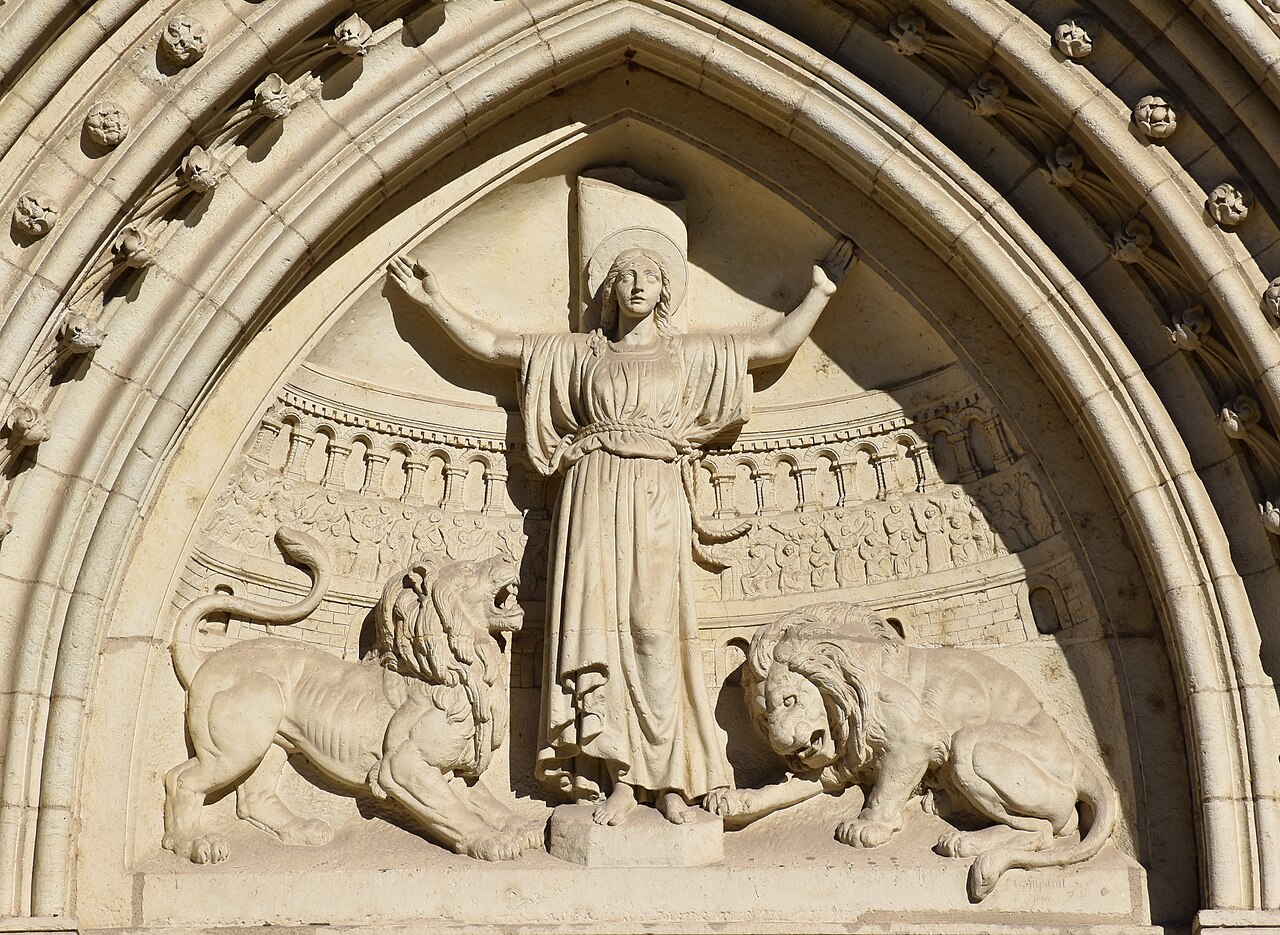
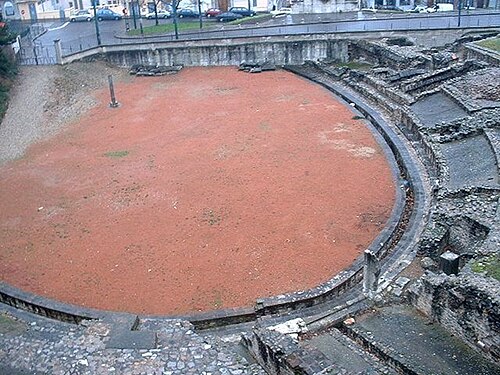
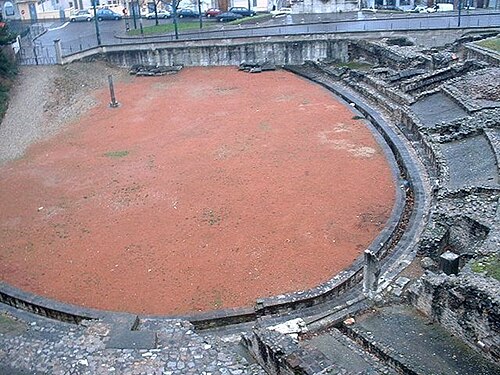
In the summer of 177 the mob of Lugdunum turned on the immigrant Greek-speaking Christians of the Rhône valley, and the survivors wrote it all down in a letter to the churches of Asia — preserved whole by Eusebius, it is the most vivid persecution document of the century. Its unlikely heroine is Blandina, a slave girl whose own mistress feared she would break. She outlasted relays of torturers (“I am a Christian, and nothing wicked is done among us”), hung cruciform in the amphitheater as an image, the letter says, of the Crucified, and died last of the forty-eight after encouraging each of the others — “like a noble mother who had encouraged her children and sent them before her in triumph to the King.”
Also listed in martyrs, women and under marcus aurelius.
Common questions
When did Blandina live?
Blandina of Lyon is dated c. 162 – 177 in the archive, which places Blandina in the Apologists (AD 130–180). The dating is traditional and approximate; the archive marks it as uncertain rather than fixing a year the sources do not give.
What did Blandina write?
Blandina of Lyon has 1 catalogued writing in the archive: Letter of the Churches of Lyon and Vienne (her testimony within it).
Which early sources mention Blandina?
Blandina of Lyon is named in 2 primary-source passages catalogued here, drawn from The Churches of Lyons and Vienne and The Hieronymian compilers. Every passage is quoted from a named public-domain translation, earliest first.
Where was Blandina from?
The archive associates Blandina of Lyon with Lugdunum, Gaul. The sources record more than one location, so the places are listed in the order the record moves through them.
Writings (1)
Letter of the Churches of Lyon and Vienne (her testimony within it)
177I am a Christian, and there is nothing wicked done among us. — her confession under torture, repeated “again and again,” as the letter recordsRead the interlinear source text →
Primary-source mentions (2)
Every passage below is quoted from a named public-domain translation, earliest first.
Letter of the Churches of Lyons & Vienne (Eusebius, HE V.1.19)
c. AD 177But the blessed woman, like a noble athlete, renewed her strength in her confession; and her comfort and recreation and relief from the pain of her sufferings was in exclaiming, 'I am a Christian, and there is nothing vile done by us.'The Churches of Lyons and Vienne · V.1.19 · source text
Martyrologium Hieronymianum (the Forty-Eight of Lyon, 2 June)
c. AD 450Connected in the archive
Died with the aged bishop Pothinus; Irenaeus succeeded to the widowed see of Lyon; the account survives through Eusebius
People
- Irenaeus of Lyon
- Eusebius of Caesarea
- Alcibiades of Lyon
- Attalus of Pergamum
- Biblis of Lyon
- Maturus of Lyon
- Ponticus of Lyon
- Pothinus of Lyon
- Sanctus of Vienne
- Emperor Marcus Aurelius
- Athenagoras of Athens
Events in this lifetime
Place
Places served
The 2 places the sources put Blandina, in the order the record moves through them. This is what the sources attest, not a reconstructed route.