The Nicene Age · AD 313–400
Eusebius of Caesarea
Also known as Eusebius Pamphili
c. 260 – 339 · Bishop of Caesarea · Father of church history · Caesarea Maritima
The Nicene Age
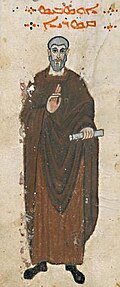
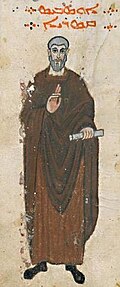
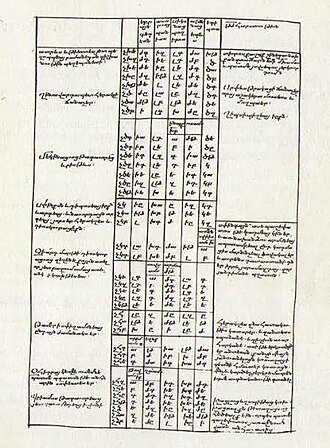
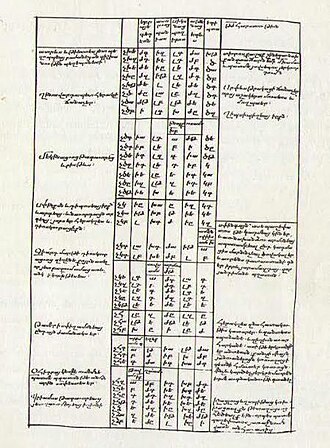
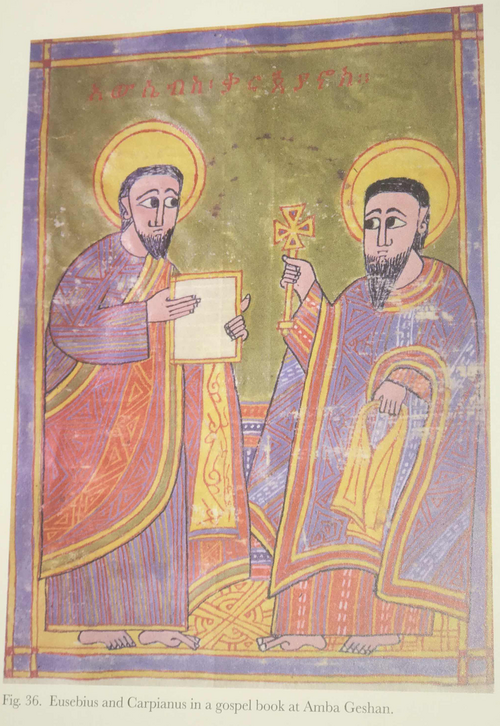
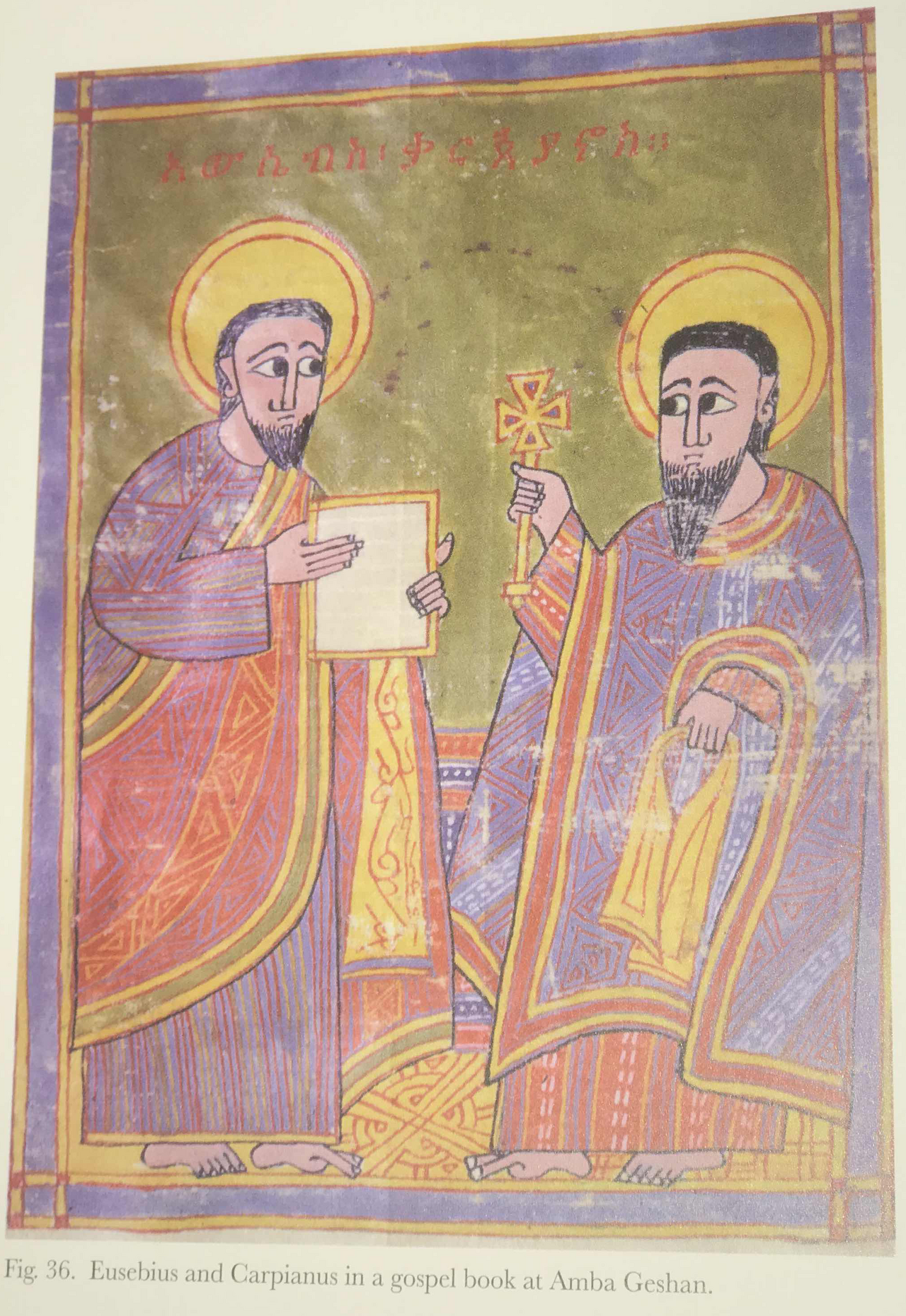
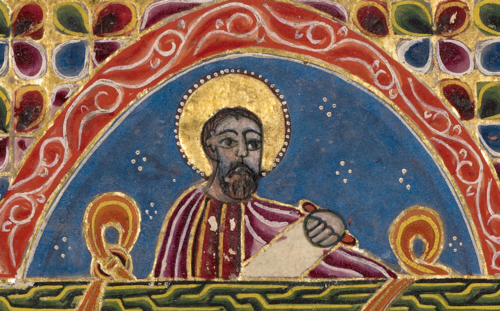
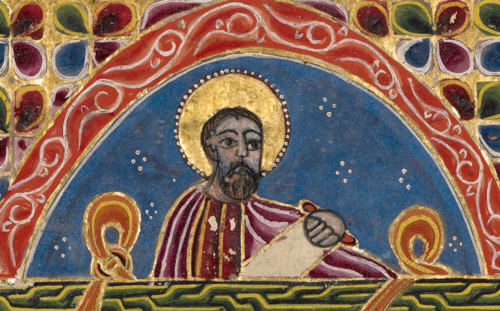


Who Eusebius of Caesarea was
Formed in the library Origen left at Caesarea and devoted to his teacher Pamphilus (he signed himself “Eusebius of Pamphilus” after the martyr’s death in 310), Eusebius survived the Great Persecution to become bishop, confidant of Constantine, and the inventor of church history as a genre. His Ecclesiastical History, ten books repeatedly revised as the persecution turned to triumph, quotes its sources at length — and is thereby the only reason we possess Papias, the Lyon letter, and dozens of other lost texts. He wrote the Chronicle that fixed ancient dating, the Onomasticon of biblical geography, massive apologetic works, and the Life of Constantine. At Nicaea he took a middle, Origenist path and signed the creed with documented reluctance.
Also listed in bishops beyond the great sees and roman emperors.
Common questions
When did Eusebius live?
Eusebius of Caesarea is dated c. 260 – 339 in the archive, which places Eusebius in the Nicene Age (AD 313–400). The dating is traditional and approximate; the archive marks it as uncertain rather than fixing a year the sources do not give.
What did Eusebius write?
Eusebius of Caesarea has 2 catalogued writings in the archive: Ecclesiastical History and Life of Constantine.
Which early sources mention Eusebius?
Eusebius of Caesarea is named in 2 primary-source passages catalogued here, drawn from Arius and Jerome. Every passage is quoted from a named public-domain translation, earliest first.
Where was Eusebius from?
The archive associates Eusebius of Caesarea with Caesarea Maritima.
Writings (2)
Ecclesiastical History
c. 300–325I have purposed to record in writing the successions of the sacred apostles, covering the period stretching from our Saviour to ourselves… I trust that kindly disposed readers will pardon the deficiencies of the work, for I confess that my powers are inadequate to do full justice to so complete a subject.Read the interlinear source text →
Life of Constantine
c. 337–339He said that about noon… he saw with his own eyes the trophy of a cross of light in the heavens, above the sun, and bearing the inscription, CONQUER BY THIS.Read the interlinear source text →
Primary-source mentions (2)
Every passage below is quoted from a named public-domain translation, earliest first.
Arius, Letter to Eusebius of Nicomedia (c. AD 318–320; preserved in Theodoret, Church History I.5; original Greek, working translation)
c. AD 320[Contemporary witness, before Nicaea.] 'Eusebius, your brother in Caesarea... and all the bishops of the East have been condemned, because they say that God is, without beginning, before the Son.'Arius · source text
Jerome, On Illustrious Men 81 (AD 393; original Latin, working translation)
c. AD 393Eusebius, bishop of Caesarea in Palestine, most studious in the divine Scriptures and, with Pamphilus the martyr, a most diligent searcher-out of the sacred library, published volumes without number — among them the Ecclesiastical History in ten books, and the Chronicle of universal history with its epitome.Jerome · source text
Connected in the archive
Heir of Origen’s library through Pamphilus; panegyrist and biographer of Constantine; preserved Papias, Melito, Dionysius, and the Lyon martyrs
People
- Origen of Alexandria
- Constantine the Great
- Papias of Hierapolis
- Melito of Sardis
- Dionysius the Great
- Blandina of Lyon
- Modestus
- Dionysius of Corinth
- Hegesippus
- Musanus
- Apollonius the Martyr
- Theophilus of Caesarea
- Bacchylus of Corinth
- Heraclitus the Commentator
- Narcissus of Jerusalem
- Ammonius of Alexandria
- Alphaeus of Caesarea
- Zacchaeus of Caesarea
- Romanus of Caesarea
- Timothy of Gaza
- Porphyry of Tyre
- Aedesius the Martyr
- Agapius of Caesarea
- Apphianus of Lycia
- Theodosia of Tyre
- Valens of Aelia
- Nilus of Egypt
- Pamphilus of Caesarea
- Peleus of Egypt
- Peter Apselamus
- Silvanus of Gaza
- Lactantius
- Potamon of Heraclea
- Eusebius of Emesa
- Acacius of Caesarea
- Gelasius of Caesarea
- Socrates Scholasticus
- Sozomen
- Theodoret of Cyrus
- Rufinus of Aquileia
- Philostorgius
Events in this lifetime
- AD 260 · Gallienus’ edict of toleration, AD 260
- AD 268 · Antioch deposes Paul of Samosata, AD 268
- AD 272 · Aurelian awards the Antioch church, AD 272
- AD 301 · Hripsime and her company, AD 301
- AD 303 · The Great Persecution begins, AD 303
- AD 303 · The search of the church at Cirta, AD 303
- AD 306 · The Council of Elvira, AD 306
- AD 311 · Galerius’ edict of Serdica, AD 311
- AD 313 · The Edict of Milan, AD 313
- AD 314 · The Council of Arles, AD 314
- AD 320 · Silvanus tried before Zenophilus, AD 320
- AD 325 · The Council of Nicaea, AD 325
- AD 339 · The persecution of Shapur II, AD 339
Place
Places served
The one place the sources put Eusebius.