The Apologists · AD 130–180
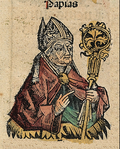
Papias of Hierapolis
c. 60 – c. 130 · Bishop of Hierapolis · Collector of apostolic memory · Hierapolis, Phrygia
The Apologists
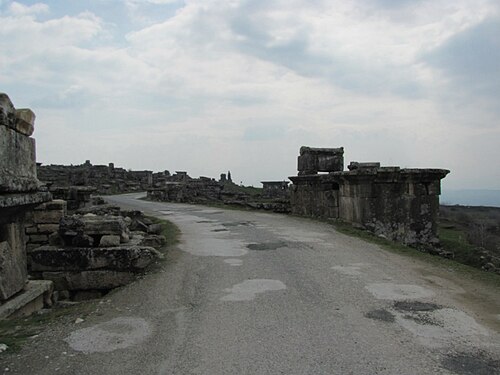
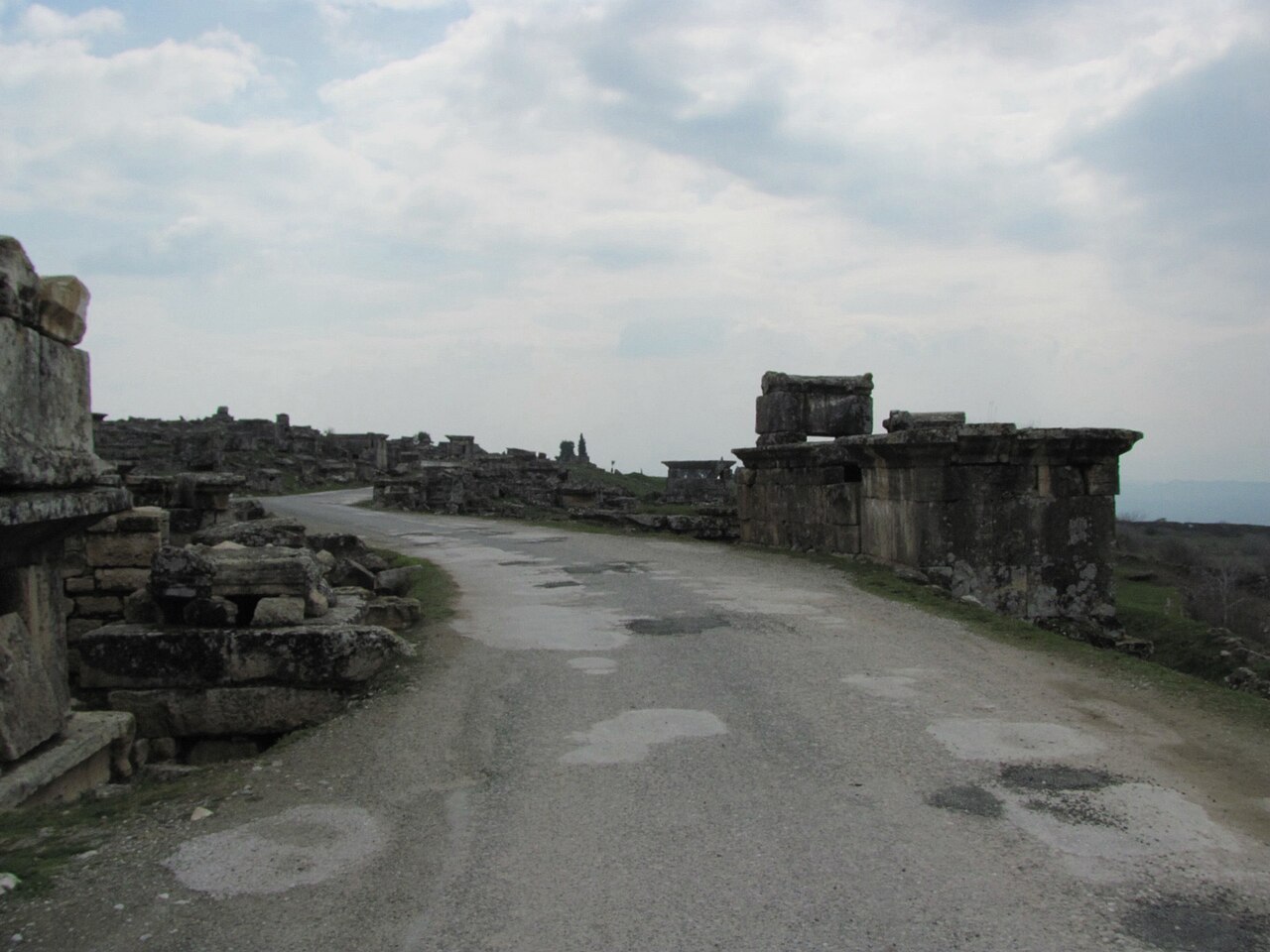


Who Papias of Hierapolis was
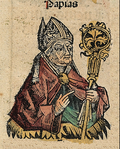
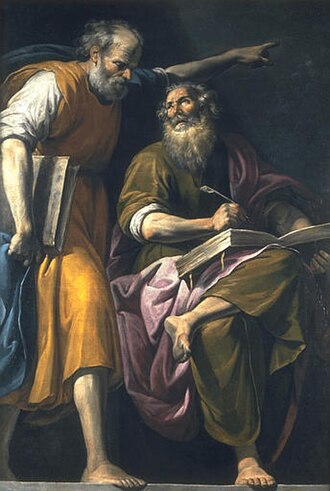
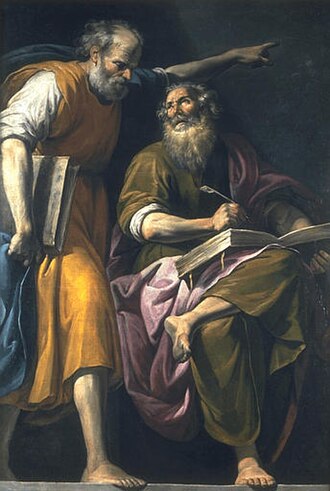
Papias, bishop of Hierapolis in the Lycus valley and a companion of Polycarp, spent his life interviewing everyone who had known the apostles — “the elders” and the daughters of Philip among them — and set the harvest down in five books, the Expositions of the Oracles of the Lord. The work survives only in fragments quoted by Irenaeus and Eusebius, but those fragments are priceless: the earliest testimony to how the Gospels of Mark and Matthew were composed, traditions of John the Elder, and vivid millenarian expectations that made the more fastidious Eusebius sniff that Papias was “a man of very small intelligence.” Posterity has judged the gossip-collector more kindly than the historian judged him.
Also listed in bishops beyond the great sees.
Common questions
When did Papias live?
Papias of Hierapolis is dated c. 60 – c. 130 in the archive, which places Papias in the Apologists (AD 130–180). The dating is traditional and approximate; the archive marks it as uncertain rather than fixing a year the sources do not give.
What did Papias write?
Papias of Hierapolis has 1 catalogued writing in the archive: Expositions of the Oracles of the Lord (fragments).
Which early sources mention Papias?
Papias of Hierapolis is named in 3 primary-source passages catalogued here, drawn from Irenaeus of Lyon, Eusebius of Caesarea and Jerome. Every passage is quoted from a named public-domain translation, earliest first.
Where was Papias from?
The archive associates Papias of Hierapolis with Hierapolis, Phrygia. The sources record more than one location, so the places are listed in the order the record moves through them.
Writings (1)
Expositions of the Oracles of the Lord (fragments)
c. 110–130I did not think that what was to be gotten from the books would profit me as much as what came from the living and abiding voice.Read the interlinear source text →
Primary-source mentions (3)
Every passage below is quoted from a named public-domain translation, earliest first.
Against Heresies V.33.4
c. AD 180These things are borne witness to in writing by Papias, the hearer of John, and a companion of Polycarp, a man of ancient time.Irenaeus of Lyon · Against Heresies V.33.4 · source text
Ecclesiastical History III.39 (the great notice, with Eusebius's verdict)
c. AD 325For he was a man of very limited understanding, as one can see from his discourses.Eusebius of Caesarea · Ecclesiastical History III.39 · source text
On Illustrious Men 18
c. AD 393Papias, the pupil of John, bishop of Hierapolis in Asia, wrote only five volumes, which he entitled Exposition of the words of our Lord. [Note: whether Papias's ‘John’ is the apostle or the distinct ‘John the Elder’ he also names is a debated point that Eusebius himself presses.]Jerome · 18 · source text
Connected in the archive
Hearer of John; companion of Polycarp; prime witness to the origins of Mark’s Gospel
People
- John the Apostle
- Polycarp of Smyrna
- John Mark
- Philip the Apostle
- The Four Daughters of Philip
- John the Presbyter (“The Elder”)
- Aristion
- Abercius of Hierapolis
- Eusebius of Caesarea
Events in this lifetime
- AD 62 · James the Just stoned, AD 62
- AD 64 · The Great Fire and Nero’s persecution, AD 64
- AD 70 · The fall of Jerusalem, AD 70
- AD 95 · Domitian’s reprisals, AD 95
- AD 96 · Rome writes to Corinth: 1 Clement, AD 96
- AD 112 · Pliny writes Trajan, AD 112
- AD 117 · Symeon and Ignatius martyred, AD 117
Place
Places served
The 2 places the sources put Papias, in the order the record moves through them. This is what the sources attest, not a reconstructed route.
- 1Hierapolis
- 2Phrygiaprovince only