The Apologists · AD 130–180
Polycarp of Smyrna
69 – 155 · Bishop of Smyrna · Martyr · Smyrna
The Apologists
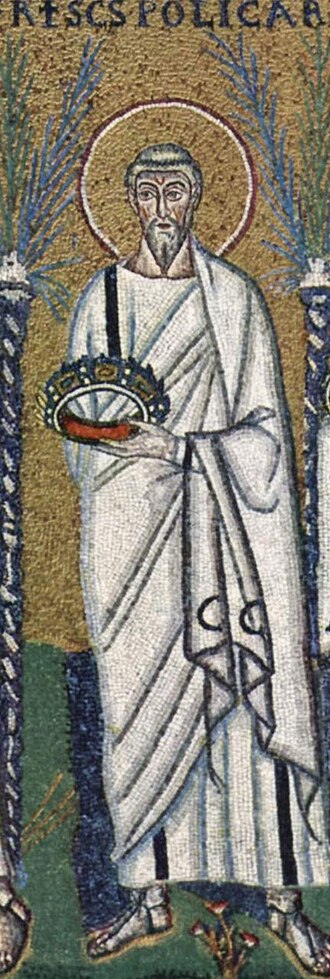
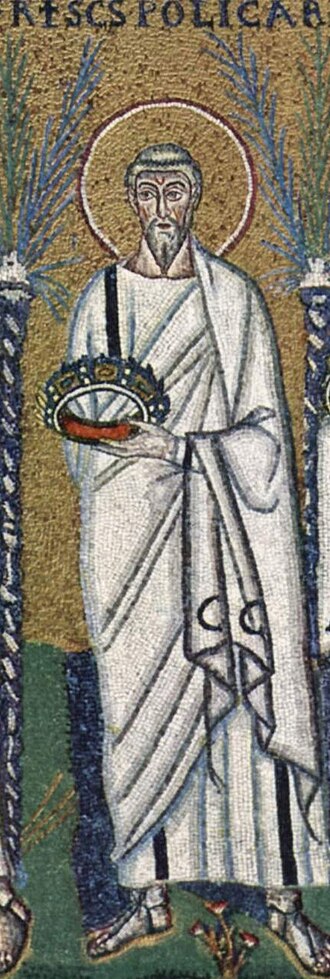


Who Polycarp of Smyrna was
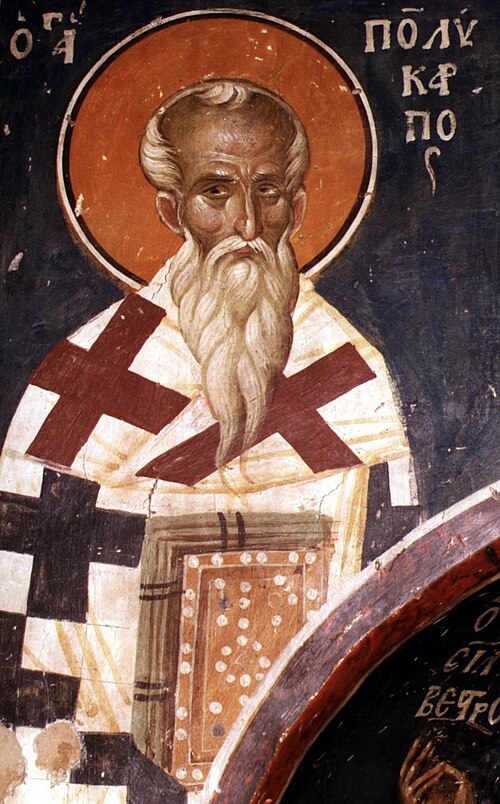
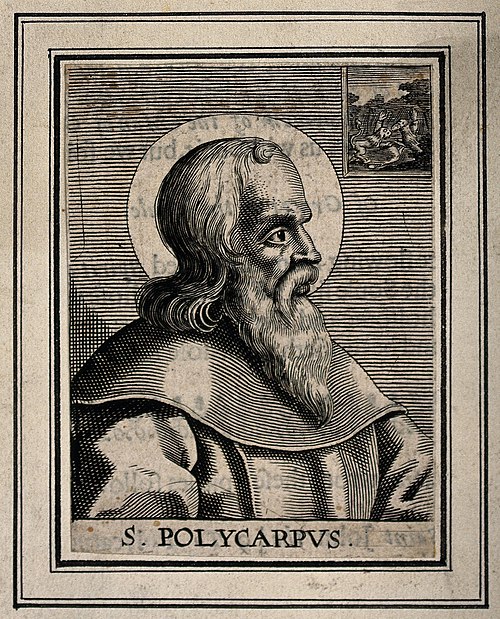
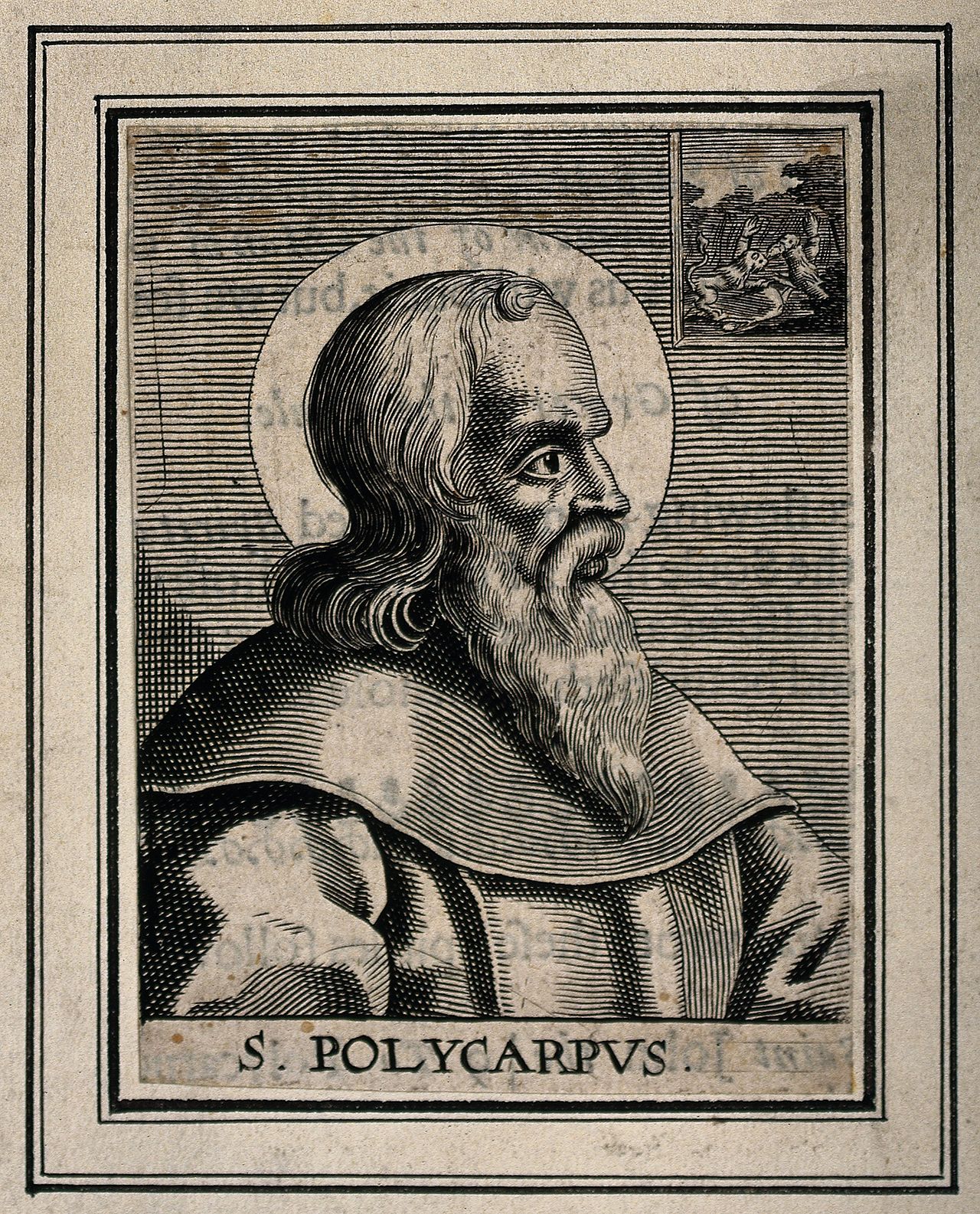
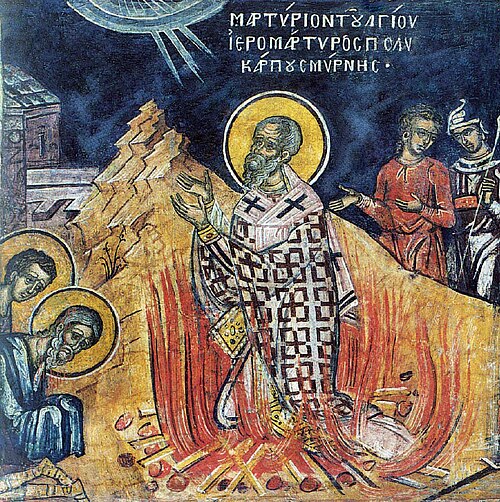
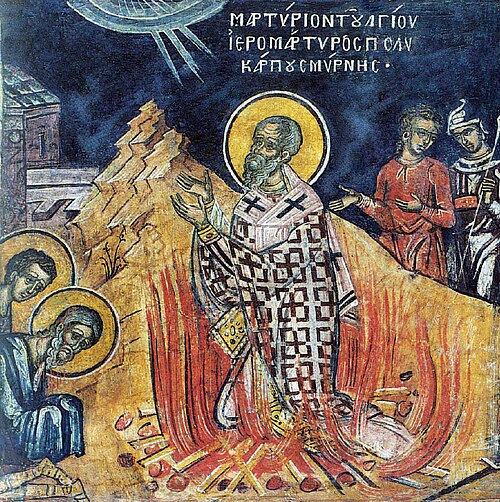
Polycarp is the living hinge between the apostles and the later church: Irenaeus, who watched him as a boy, testifies that he “was instructed by apostles and conversed with many who had seen Christ,” and was appointed to Smyrna by John himself. He received Ignatius on his death-march, collected his letters, wrote his own to the Philippians (stitched almost entirely from apostolic phrases), and in old age traveled to Rome to debate the date of Easter. Burned alive in Smyrna’s stadium in 155 at age eighty-six, his death was recorded by his church in the Martyrdom of Polycarp — the earliest martyr-account outside the New Testament.
Also listed in martyrs and bishops beyond the great sees.
Common questions
When did Polycarp live?
Polycarp of Smyrna is dated 69 – 155 in the archive, which places Polycarp in the Apologists (AD 130–180).
What did Polycarp write?
Polycarp of Smyrna has 2 catalogued writings in the archive: Epistle to the Philippians and The Martyrdom of Polycarp (his church’s account).
Which early sources mention Polycarp?
Polycarp of Smyrna is named in 5 primary-source passages catalogued here, drawn from Ignatius of Antioch, The Church of Smyrna, Irenaeus of Lyon and Polycrates of Ephesus. Every passage is quoted from a named public-domain translation, earliest first.
Where was Polycarp from?
The archive associates Polycarp of Smyrna with Smyrna.
Writings (2)
Epistle to the Philippians
c. 110–140Stand fast, therefore, in these things, and follow the example of the Lord, being firm and unchangeable in the faith, loving the brotherhood, and being attached to one another.Read the interlinear source text →
The Martyrdom of Polycarp (his church’s account)
c. 155–160Eighty and six years have I served Him, and He never did me any injury: how then can I blaspheme my King and my Saviour?Read the interlinear source text →
Primary-source mentions (5)
Every passage below is quoted from a named public-domain translation, earliest first.
Ignatius, To Polycarp (the letter addressed to him)
c. AD 107Having obtained good proof that thy mind is fixed in God as upon an immovable rock, I loudly glorify His name that I have been thought worthy to behold thy blameless face.Ignatius of Antioch · To Polycarp 1 · source text
The Martyrdom of Polycarp
c. AD 156Fourscore and six years have I been His servant, and He hath done me no wrong. How then can I blaspheme my King who saved me?The Church of Smyrna · source text
Against Heresies III.3.4
c. AD 180Polycarp also was not only instructed by apostles, and conversed with many who had seen Christ, but was also, by apostles in Asia, appointed bishop of the Church in Smyrna.Irenaeus of Lyon · Against Heresies III.3.4 · source text
Irenaeus to Florinus, via Ecclesiastical History V.20 (the memory of Polycarp's chair)
c. AD 190I can even describe the place where the blessed Polycarp used to sit and discourse.Irenaeus of Lyon · Ecclesiastical History V.20 · source text
Polycrates to Victor, via Ecclesiastical History V.24 ('bishop and martyr')
c. AD 190Polycarp in Smyrna, who was a bishop and martyr.Polycrates of Ephesus · Ecclesiastical History V.24 · source text
Connected in the archive
Disciple of John; friend of Ignatius and Papias; teacher of Irenaeus
People
- John the Apostle
- Ignatius of Antioch
- Papias of Hierapolis
- Irenaeus of Lyon
- Cerinthus
- Aristion
- Alce of Smyrna
- Daphnus of Smyrna
- Eutecnus of Smyrna
- Valens of Philippi
- Crescens, courier of Polycarp
- Germanicus of Smyrna
- Herod the Irenarch
- Quintus the Phrygian
- Statius Quadratus
- Nicetes of Smyrna
- Marcion of Sinope
- Philip the Asiarch
- Thraseas of Eumenia
- Anicetus of Rome
- Papirius of Smyrna
- Emperor Marcus Aurelius
- Evarestus of Smyrna
- Marcianus of Smyrna
- Melito of Sardis
- Florinus of Rome
- Polycrates of Ephesus
- Pionius of Smyrna
Events in this lifetime
- AD 70 · The fall of Jerusalem, AD 70
- AD 95 · Domitian’s reprisals, AD 95
- AD 96 · Rome writes to Corinth: 1 Clement, AD 96
- AD 112 · Pliny writes Trajan, AD 112
- AD 117 · Symeon and Ignatius martyred, AD 117
- AD 135 · Bar Kokhba crushed; Aelia Capitolina, AD 135
- AD 144 · Marcion expelled at Rome, AD 144
Place
Places served
The one place the sources put Polycarp.