The Ante-Nicene Church · AD 180–313 · External witness
Emperor Marcus Aurelius
d. AD 180 · Roman Emperor (161–180) · Philosopher · Rome → the Danube
External witness
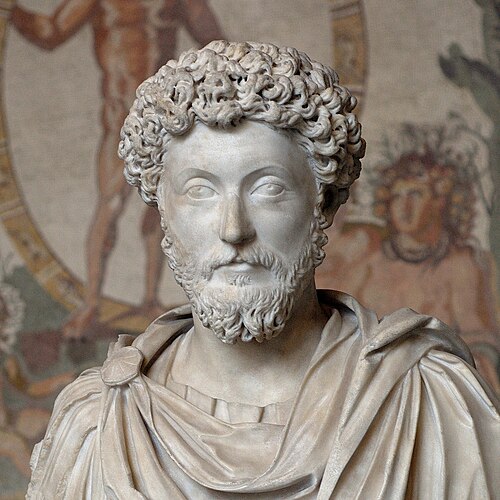
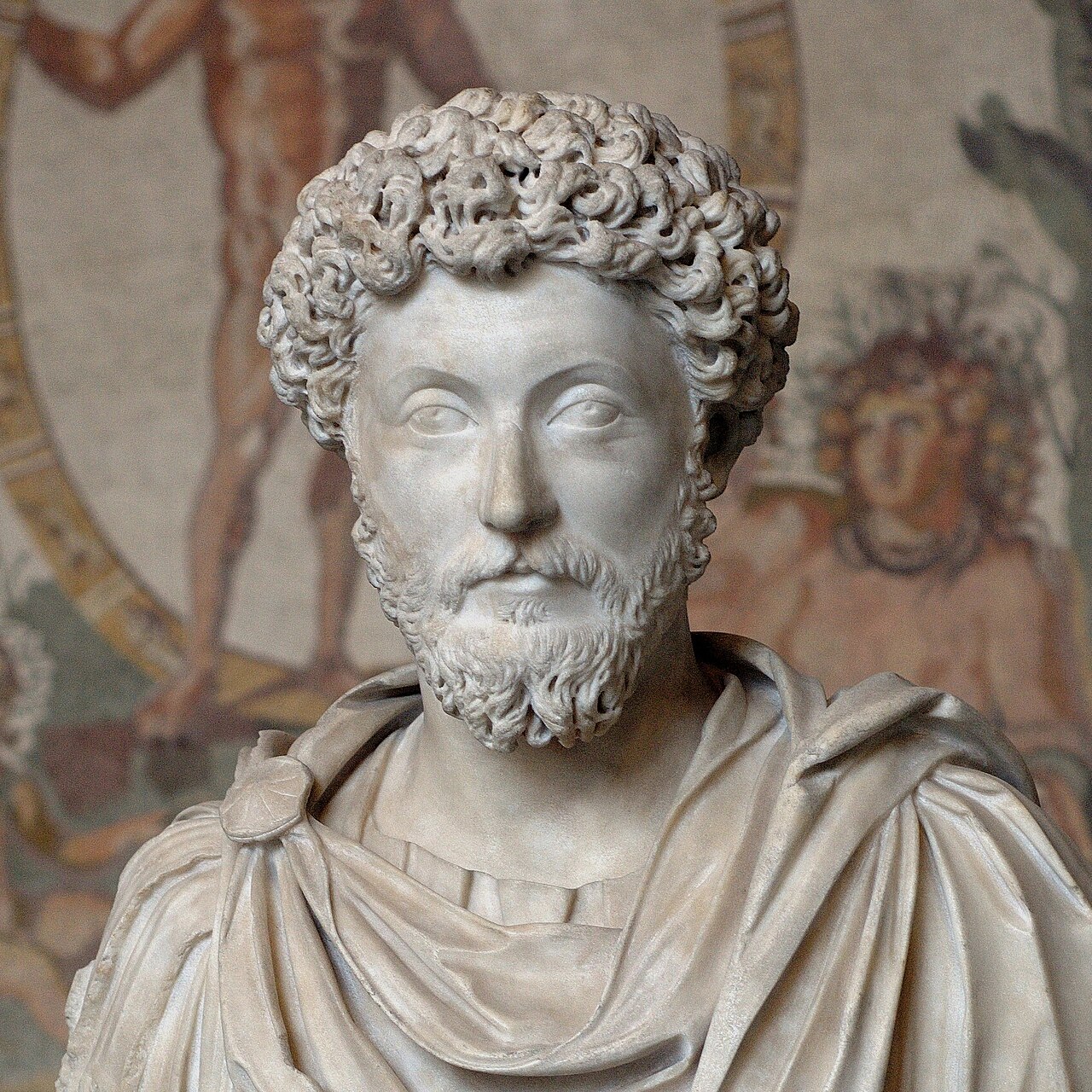

Who Emperor Marcus Aurelius was
The Stoic philosopher-emperor in whose reign the church suffered some of its worst provincial violence — the martyrdoms of Justin at Rome, of Polycarp at Smyrna (by the traditional dating), and of the confessors of Lyon in 177, whose fate turned on a rescript he sent back to Gaul: citizens to be beheaded, the rest thrown to the beasts. To him Melito of Sardis and Athenagoras addressed apologies pleading for justice. His own Meditations mention the Christians only once, and dismissively — “ready to die… but from mere obstinacy” — the philosopher on his throne unable to see in their constancy anything but stubbornness. To the church, the paradox of the age: a just man who let it bleed.
Also listed in non-christian witnesses and roman emperors.
Common questions
When did Emperor Marcus Aurelius die?
Emperor Marcus Aurelius is dated d. AD 180 in the archive, which places Emperor Marcus Aurelius in the Ante-Nicene Church (AD 180–313).
What did Emperor Marcus Aurelius write?
Emperor Marcus Aurelius has 1 catalogued writing in the archive: The Meditations (Ta eis heauton).
Which early sources mention Emperor Marcus Aurelius?
Emperor Marcus Aurelius is named in 4 primary-source passages catalogued here, drawn from Melito of Sardis, Athenagoras of Athens, Tertullian of Carthage and Eusebius of Caesarea. Every passage is quoted from a named public-domain translation, earliest first.
Where was Emperor Marcus Aurelius from?
The archive associates Emperor Marcus Aurelius with Rome, the Danube. The sources record more than one location, so the places are listed in the order the record moves through them.
Writings (1)
The Meditations (Ta eis heauton)
c. AD 170–180Begin the morning by saying to thyself, I shall meet with the busybody, the ungrateful, arrogant, deceitful, envious, unsocial… this readiness must come from a man's own judgment, not from mere obstinacy, as with the Christians.Read the interlinear source text →
Primary-source mentions (4)
Every passage below is quoted from a named public-domain translation, earliest first.
Melito, via Ecclesiastical History IV.26 (the Apology addressed to him)
c. AD 170For the race of the pious is now persecuted in a way in which it has never been before, by new edicts throughout Asia.Melito of Sardis · Ecclesiastical History IV.26 · source text
Plea for the Christians 1 (addressed to him)
c. AD 177To the Emperors Marcus Aurelius Antoninus and Lucius Aurelius Commodus… philosophers: we, who are called Christians, entreat you that we may not be hated and persecuted merely for a name.Athenagoras of Athens · source text
Apology 5 (the Thundering Legion letter claimed)
c. AD 197We can point to the letters of Marcus Aurelius, that most grave of emperors, in which he bears his testimony that that Germanic drought was removed by the rains obtained through the prayers of the Christians who chanced to be fighting under him.Tertullian of Carthage · Apology 5 · source text
Ecclesiastical History V.5 (the legion's rain-miracle weighed)
c. AD 325It is reported that Marcus Aurelius Caesar, being about to engage in battle with the Germans and Sarmatians, was in great trouble on account of his army suffering from thirst.Eusebius of Caesarea · Ecclesiastical History V.5 · source text
Connected in the archive
People
- Justin Martyr
- Polycarp of Smyrna
- Pothinus of Lyon
- Blandina of Lyon
- Athenagoras of Athens
- Melito of Sardis
- Diognetus
- Emperor Antoninus Pius
- Junius Rusticus
- Fronto of Cirta
- Emperor Lucius Verus
- Attalus of Pergamum
- Celsus
- Claudius Apollinaris of Hierapolis
- Emperor Commodus
- Galen of Pergamum
Events in this lifetime
- AD 112 · Pliny writes Trajan, AD 112
- AD 117 · Symeon and Ignatius martyred, AD 117
- AD 135 · Bar Kokhba crushed; Aelia Capitolina, AD 135
- AD 144 · Marcion expelled at Rome, AD 144
- AD 156 · The New Prophecy erupts, AD 156
- AD 177 · Persecution at Lyon and Vienne, AD 177
- AD 180 · The Scillitan martyrs, AD 180
Place
Places served
The 2 places the sources put Emperor Marcus Aurelius, in the order the record moves through them. This is what the sources attest, not a reconstructed route.
- 1Rome
- 2the Danubeprovince only