The Ante-Nicene Church · AD 180–313
Clement of Alexandria
c. 150 – c. 215 · Head of the catechetical school of Alexandria · Athens → Alexandria
The Ante-Nicene Church
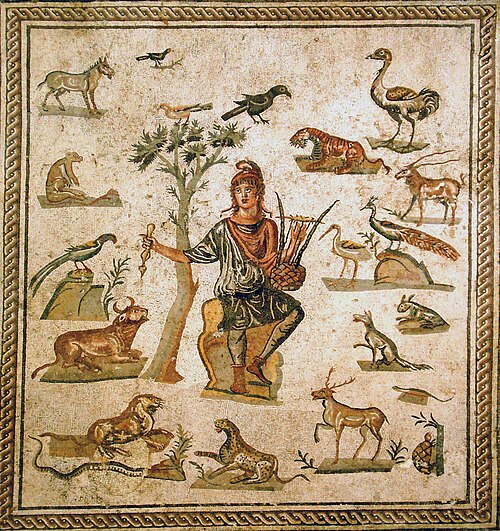
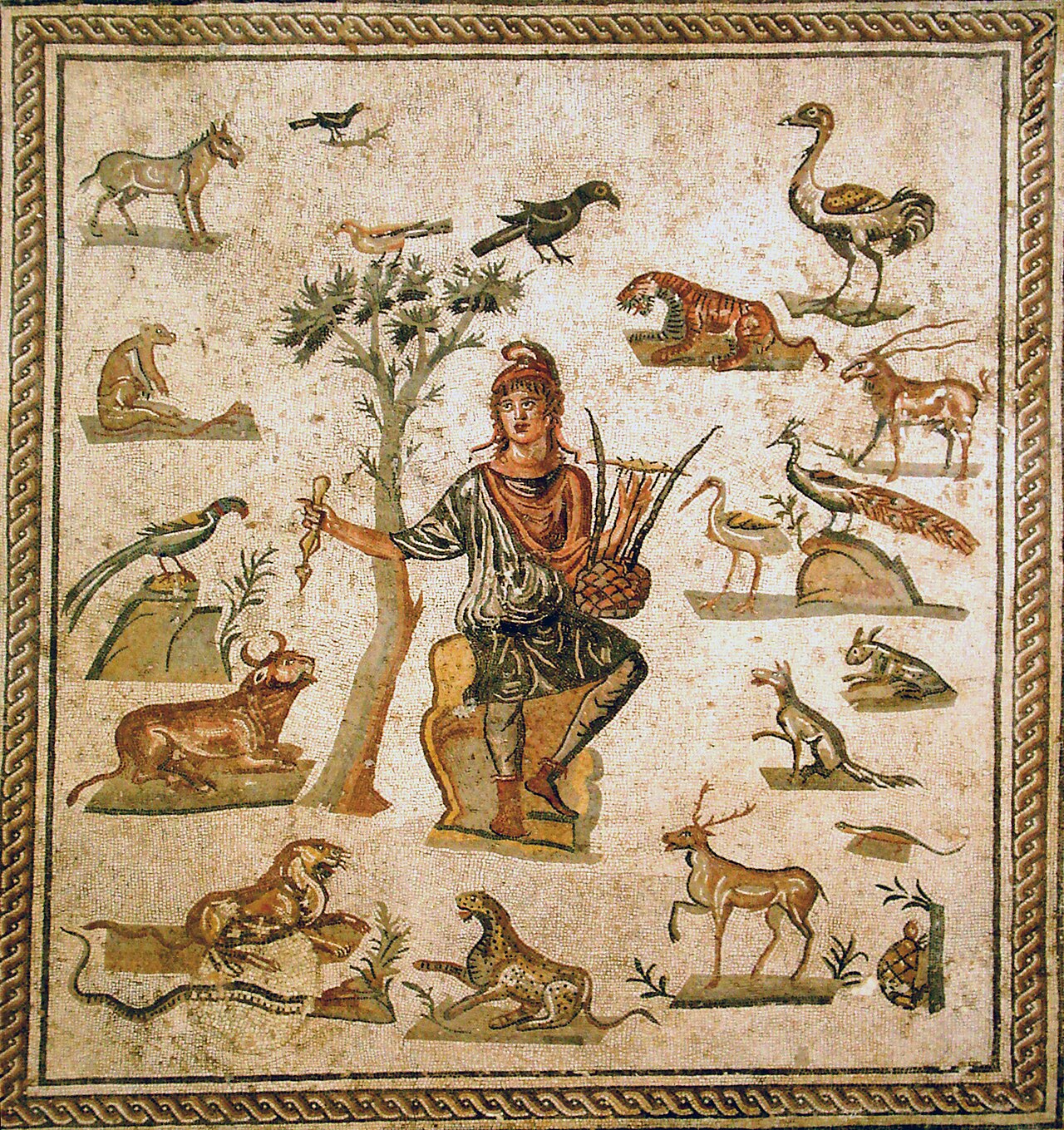
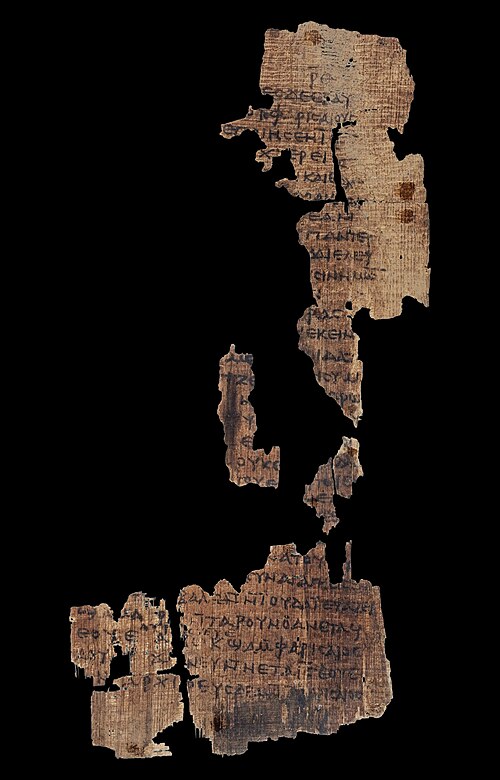
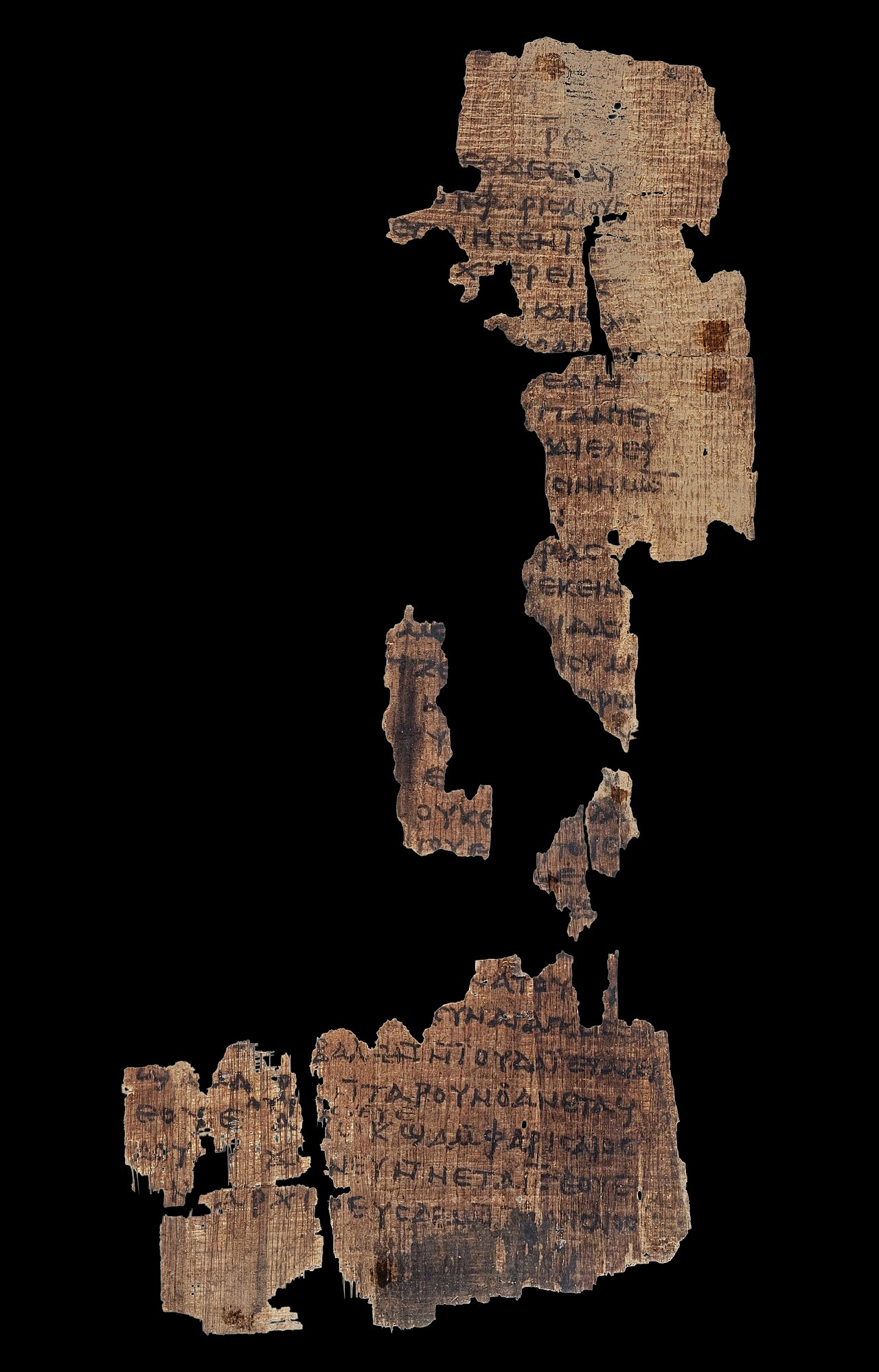


_-_Foto_G._Dall'Orto.jpg)
_verso_John_11%2C_46%E2%80%9352.jpg)

Who Clement of Alexandria was
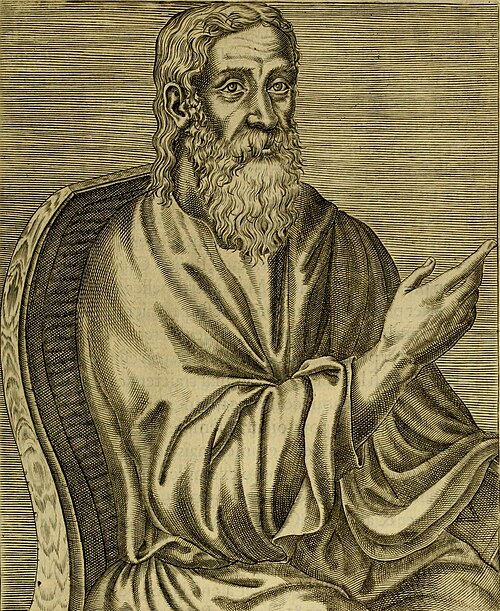
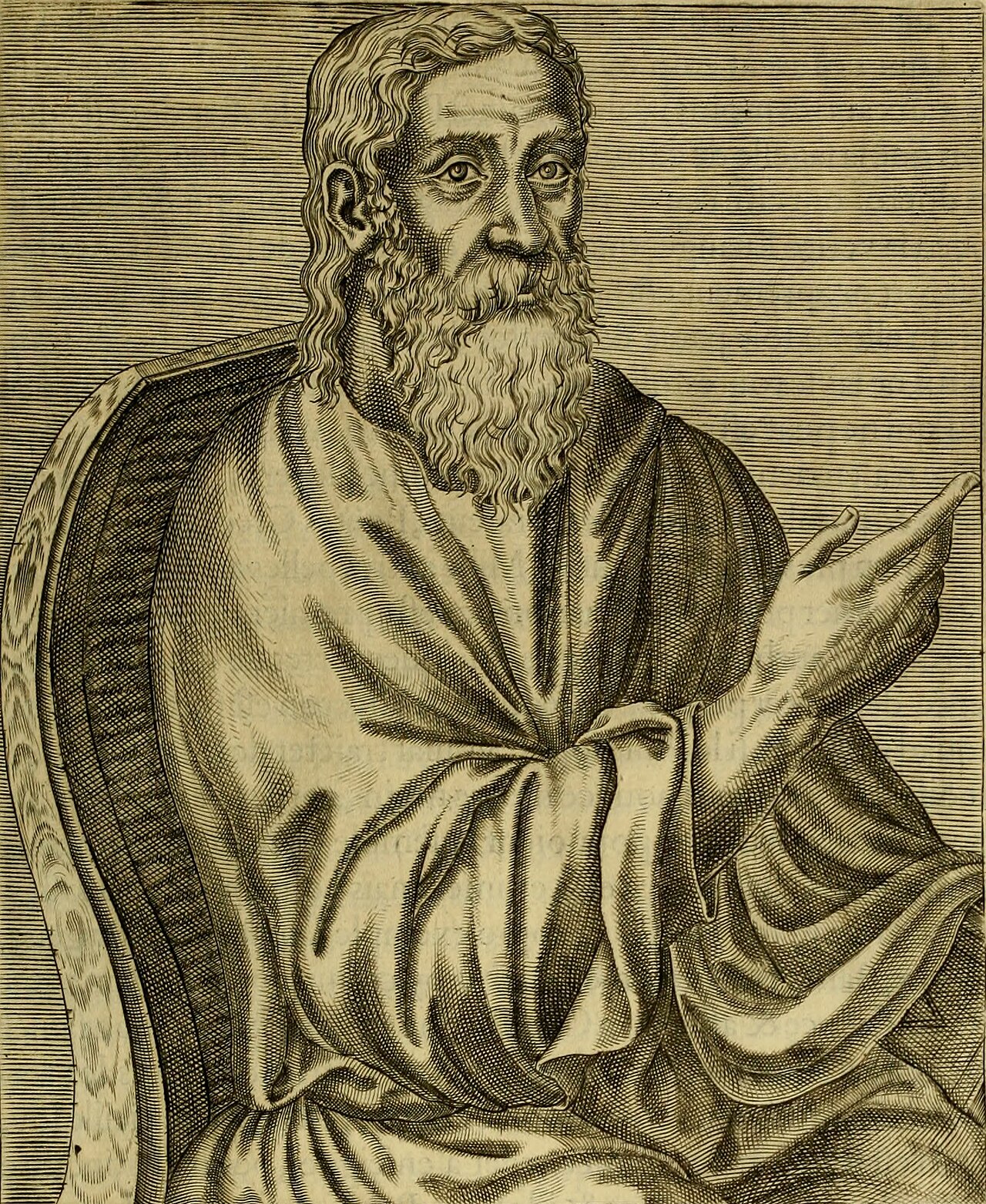
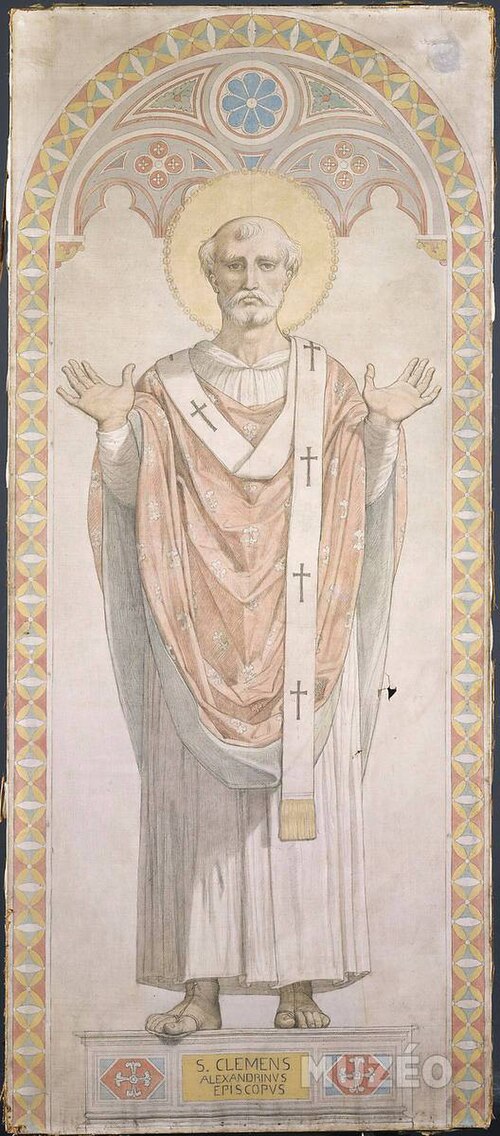
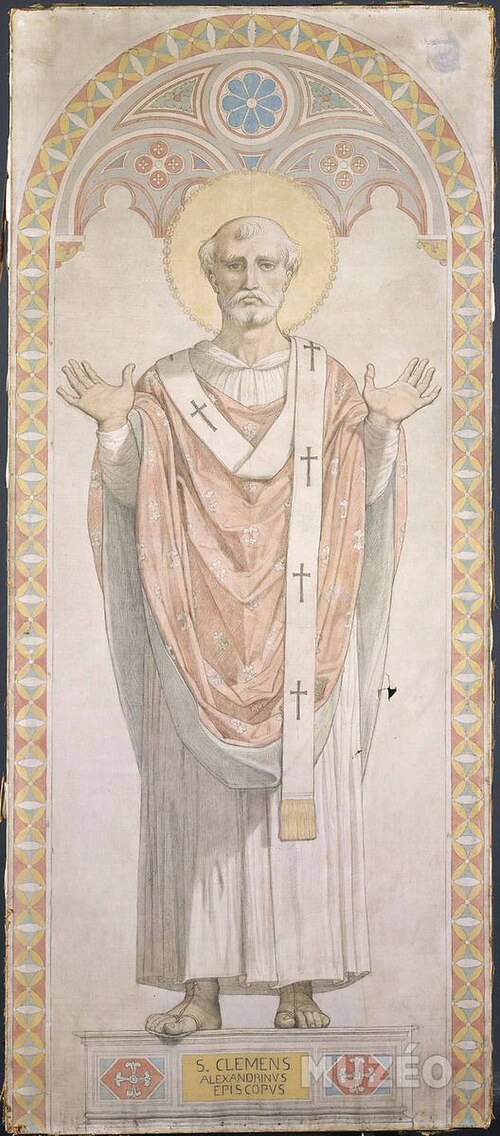
Titus Flavius Clemens, an Athenian convert who toured the Mediterranean sampling Christian teachers, found his master in Pantaenus of Alexandria — “the Sicilian bee” — and succeeded him at the world’s first great school of Christian learning. His trilogy maps a whole curriculum: the Protrepticus woos the pagan reader from the mysteries to the Logos; the Paedagogus trains the convert’s manners down to table conduct and laughter; the miscellaneous Stromateis (“Carpets”) sketch the mature Christian “gnostic” who knows God. Fluent in the poets and philosophers he quotes by the hundred, Clement argued that Greek philosophy was the Greeks’ own schoolmaster leading to Christ. He fled the persecution of 202 and died in Asia Minor.
Common questions
When did Clement live?
Clement of Alexandria is dated c. 150 – c. 215 in the archive, which places Clement in the Ante-Nicene Church (AD 180–313). The dating is traditional and approximate; the archive marks it as uncertain rather than fixing a year the sources do not give.
What did Clement write?
Clement of Alexandria has 2 catalogued writings in the archive: Protrepticus (Exhortation to the Greeks) and Stromateis (Miscellanies).
Which early sources mention Clement?
Clement of Alexandria is named in 3 primary-source passages catalogued here, drawn from Alexander of Jerusalem, Eusebius of Caesarea and Jerome. Every passage is quoted from a named public-domain translation, earliest first.
Where was Clement from?
The archive associates Clement of Alexandria with Athens, Alexandria. The sources record more than one location, so the places are listed in the order the record moves through them.
Writings (2)
Protrepticus (Exhortation to the Greeks)
c. 195The Word of God became man, that thou mayest learn from man how man may become God.Read the interlinear source text →
Stromateis (Miscellanies)
c. 198–203Philosophy was given to the Greeks… a schoolmaster to bring the Hellenic mind, as the law the Hebrews, to Christ. Philosophy, therefore, was a preparation, paving the way for him who is perfected in Christ.Read the interlinear source text →
Primary-source mentions (3)
Every passage below is quoted from a named public-domain translation, earliest first.
Alexander of Jerusalem, via Ecclesiastical History VI.14 ('the blessed Clement, my master')
c. AD 215For we acknowledge as fathers those blessed saints who are gone before us, and to whom we shall go after a little time; the truly blest Pantaenus, I mean, and the holy Clemens, my teacher, who was to me so greatly useful and helpful.Alexander of Jerusalem · Ecclesiastical History VI.14 · source text
Ecclesiastical History VI.6 (his headship of the school)
c. AD 325Clement, succeeding Pantaenus, had charge at that time of the catechetical instruction in Alexandria.Eusebius of Caesarea · Ecclesiastical History VI.6 · source text
On Illustrious Men 38
c. AD 393Clemens, presbyter of the Alexandrian church, and a pupil of the Pantaenus mentioned above, led the theological school at Alexandria after the death of his master and was teacher of the Catechetes.Jerome · 38 · source text
Connected in the archive
Pupil of Pantaenus; by tradition the teacher of Origen; appended the earliest Christian hymn to the Paedagogus
People
- Origen of Alexandria
- Carpocrates of Alexandria
- Basilides of Alexandria
- Epiphanes, son of Carpocrates
- Isidore, son of Basilides
- Pantaenus of Alexandria
- Demetrius of Alexandria
- Alexander of Jerusalem
Events in this lifetime
- AD 156 · The New Prophecy erupts, AD 156
- AD 177 · Persecution at Lyon and Vienne, AD 177
- AD 180 · The Scillitan martyrs, AD 180
- AD 190 · The Quartodeciman controversy, AD 190
- AD 202 · Perpetua and Felicity martyred, AD 202
Place
Places served
The 2 places the sources put Clement, in the order the record moves through them. This is what the sources attest, not a reconstructed route.