The Ante-Nicene Church · AD 180–313 · External witness
Emperor Galerius
d. AD 311 · Roman Emperor (305–311) · Persecutor, then author of toleration · the Balkans → Nicomedia
External witness
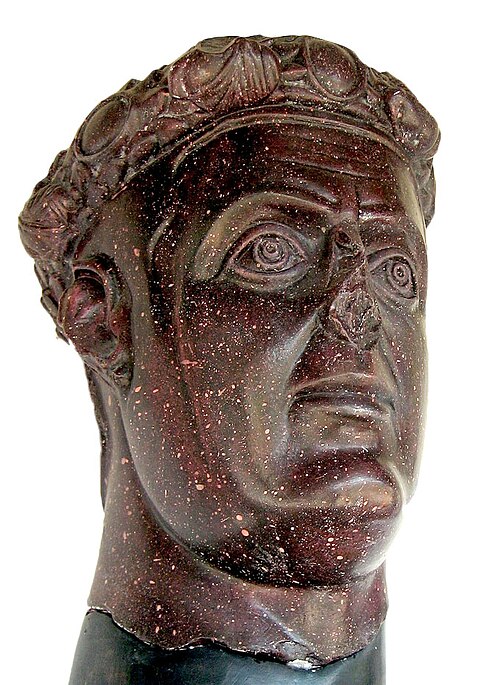
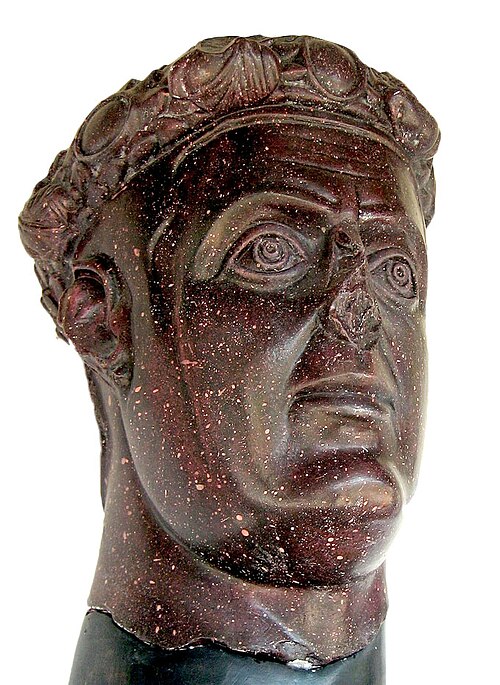

Who Emperor Galerius was
The Caesar and then Augustus whom the Christian sources blame as the true instigator of the Great Persecution, driving the reluctant Diocletian to the edicts of 303 and pressing them with special ferocity in his own eastern domains. Yet his end reversed his beginning: struck in 311 by a horrifying, putrefying disease that Lactantius and Eusebius describe with grim relish as divine judgment, he issued from his deathbed the Edict of Serdica — the first imperial decree of toleration, grudgingly permitting Christians to exist and even asking their prayers for his recovery. The arch-persecutor who signed the church’s first legal reprieve, days before he died.
Also listed in non-christian witnesses and roman emperors.
Common questions
When did Emperor Galerius die?
Emperor Galerius is dated d. AD 311 in the archive, which places Emperor Galerius in the Ante-Nicene Church (AD 180–313).
What did Emperor Galerius write?
Emperor Galerius has 1 catalogued writing in the archive: The Edict of Toleration (Serdica, 311).
Which early sources mention Emperor Galerius?
Emperor Galerius is named in 3 primary-source passages catalogued here, drawn from Lactantius and Eusebius of Caesarea. Every passage is quoted from a named public-domain translation, earliest first.
Where was Emperor Galerius from?
The archive associates Emperor Galerius with the Balkans, Nicomedia. The sources record more than one location, so the places are listed in the order the record moves through them.
Writings (1)
The Edict of Toleration (Serdica, 311)
30 April AD 311Wherefore, for this our indulgence, they ought to pray to their God for our safety, for that of the republic, and for their own.Read the interlinear source text →
Primary-source mentions (3)
Every passage below is quoted from a named public-domain translation, earliest first.
On the Deaths of the Persecutors 33–34
c. AD 315Wherefore, for this our indulgence, they ought to pray to their God for our safety… He put forth this edict; but not many days after, consumed by the malady, he died.Lactantius · source text
Ecclesiastical History VIII.16–17 (the disease, and the palinode quoted in full)
c. AD 325Wherefore, for this our indulgence, they ought to pray to their God for our safety, for that of the state, and for their own.Eusebius of Caesarea · Ecclesiastical History VIII.16 · source text
Life of Constantine I.57 (the author of the persecution confesses at his end)
c. AD 339Connected in the archive
People
- Emperor Diocletian
- Emperor Maximinus Daza
- Constantine the Great
- Romanus of Caesarea
- Constantius I Chlorus
- Severus II
- Maximian Herculius
Events in this lifetime
- AD 250 · The Decian persecution, AD 250
- AD 251 · The Novatianist schism, AD 251
- AD 257 · The Valerian persecution, AD 257
- AD 260 · Gallienus’ edict of toleration, AD 260
- AD 268 · Antioch deposes Paul of Samosata, AD 268
- AD 272 · Aurelian awards the Antioch church, AD 272
- AD 301 · Hripsime and her company, AD 301
- AD 303 · The Great Persecution begins, AD 303
- AD 303 · The search of the church at Cirta, AD 303
- AD 306 · The Council of Elvira, AD 306
- AD 311 · Galerius’ edict of Serdica, AD 311
Place
Places served
The 2 places the sources put Emperor Galerius, in the order the record moves through them. This is what the sources attest, not a reconstructed route.
- 1the Balkansprovince only
- 2Nicomedia