The Apostolic Fathers · AD 70–130 · External witness
Flavius Josephus
Also known as Yosef ben Matityahu
c. AD 37 – c. 100 · Jewish historian · Witness to James, John the Baptist & Jesus · Jerusalem → Rome
External witness
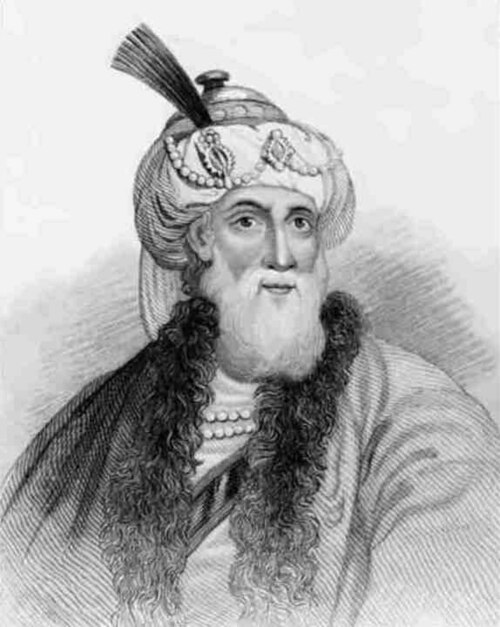
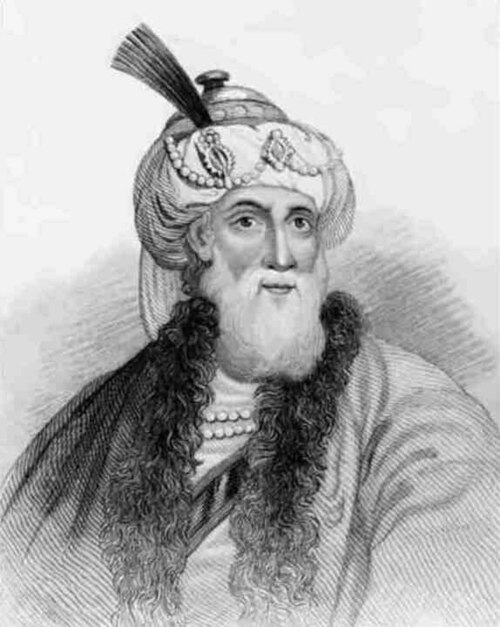

Who Flavius Josephus was
Priest, general, turncoat, and historian of the Jewish War, whose Antiquities preserves the stoning of James 'the brother of Jesus who was called Christ' — the notice Origen and Eusebius both cite — and the disputed Testimonium Flavianum.
Also listed in non-christian witnesses.
Common questions
When did Flavius Josephus live?
Flavius Josephus is dated c. AD 37 – c. 100 in the archive, which places Flavius Josephus in the Apostolic Fathers (AD 70–130). The dating is traditional and approximate; the archive marks it as uncertain rather than fixing a year the sources do not give.
What did Flavius Josephus write?
Flavius Josephus has 2 catalogued writings in the archive: Antiquities of the Jews and The Jewish War.
Which early sources mention Flavius Josephus?
Flavius Josephus is named in 3 primary-source passages catalogued here, drawn from Origen, Eusebius of Caesarea and Jerome of Stridon. Every passage is quoted from a named public-domain translation, earliest first.
Where was Flavius Josephus from?
The archive associates Flavius Josephus with Jerusalem, Rome. The sources record more than one location, so the places are listed in the order the record moves through them.
Writings (2)
Antiquities of the Jews
c. AD 93…he assembled the sanhedrim of judges, and brought before them the brother of Jesus, who was called Christ, whose name was James.Read the full text ↗
The Jewish War
c. AD 75The Romans… burnt all those houses whither the Jews were fled, and every soul in them.Read the full text ↗
Primary-source mentions (3)
Every passage below is quoted from a named public-domain translation, earliest first.
Against Celsus I.47
c. AD 240Josephus, though not believing in Jesus as the Christ, in seeking after the cause of the fall of Jerusalem… says that these disasters happened to the Jews as a punishment for the death of James the Just, who was a brother of Jesus who was called Christ.Origen · I.47 · source text
Ecclesiastical History I.11
c. AD 325Josephus, a Hebrew of the Hebrews, and the most famous historian among his countrymen.Eusebius of Caesarea · I.11 · source text
On Illustrious Men 13
c. AD 392In the eighteenth book of his Antiquities he most openly acknowledges that Christ was slain by the Pharisees on account of the greatness of his miracles.Jerome of Stridon · On Illustrious Men 13 · source text
Connected in the archive
People
- James the Just
- John the Baptist
- Ananus II (the Younger)
- Emperor Vespasian
- Justus of Tiberias
- Herod the Great
- Quirinius (Cyrenius)
- Herodias
Events in this lifetime
- AD 30 · Crucifixion, Resurrection and Pentecost, AD 30–33
- AD 44 · Persecution under Herod Agrippa I, AD 44
- AD 49 · The Council of Jerusalem, AD 49
- AD 57 · Paul writes Romans, AD 57
- AD 62 · James the Just stoned, AD 62
- AD 64 · The Great Fire and Nero’s persecution, AD 64
- AD 70 · The fall of Jerusalem, AD 70
- AD 95 · Domitian’s reprisals, AD 95
- AD 96 · Rome writes to Corinth: 1 Clement, AD 96
Place
Places served
The 2 places the sources put Flavius Josephus, in the order the record moves through them. This is what the sources attest, not a reconstructed route.