The Apostolic Fathers · AD 70–130 · External witness
Pliny the Younger
c. 61 – c. 113 · Governor of Bithynia · Correspondent of Trajan on the Christians · Bithynia-Pontus
External witness
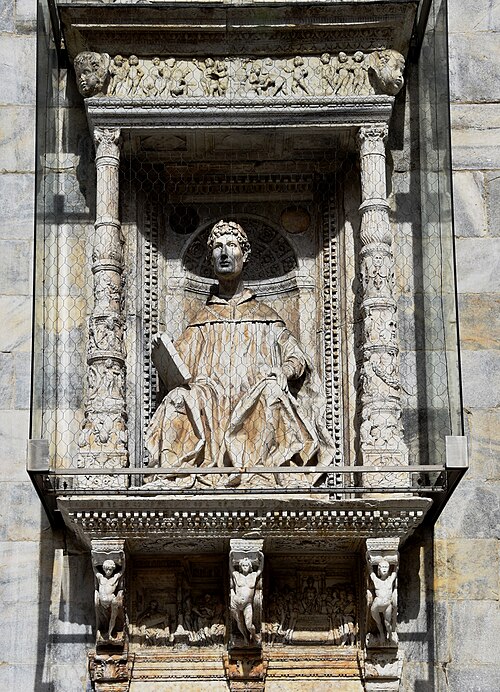
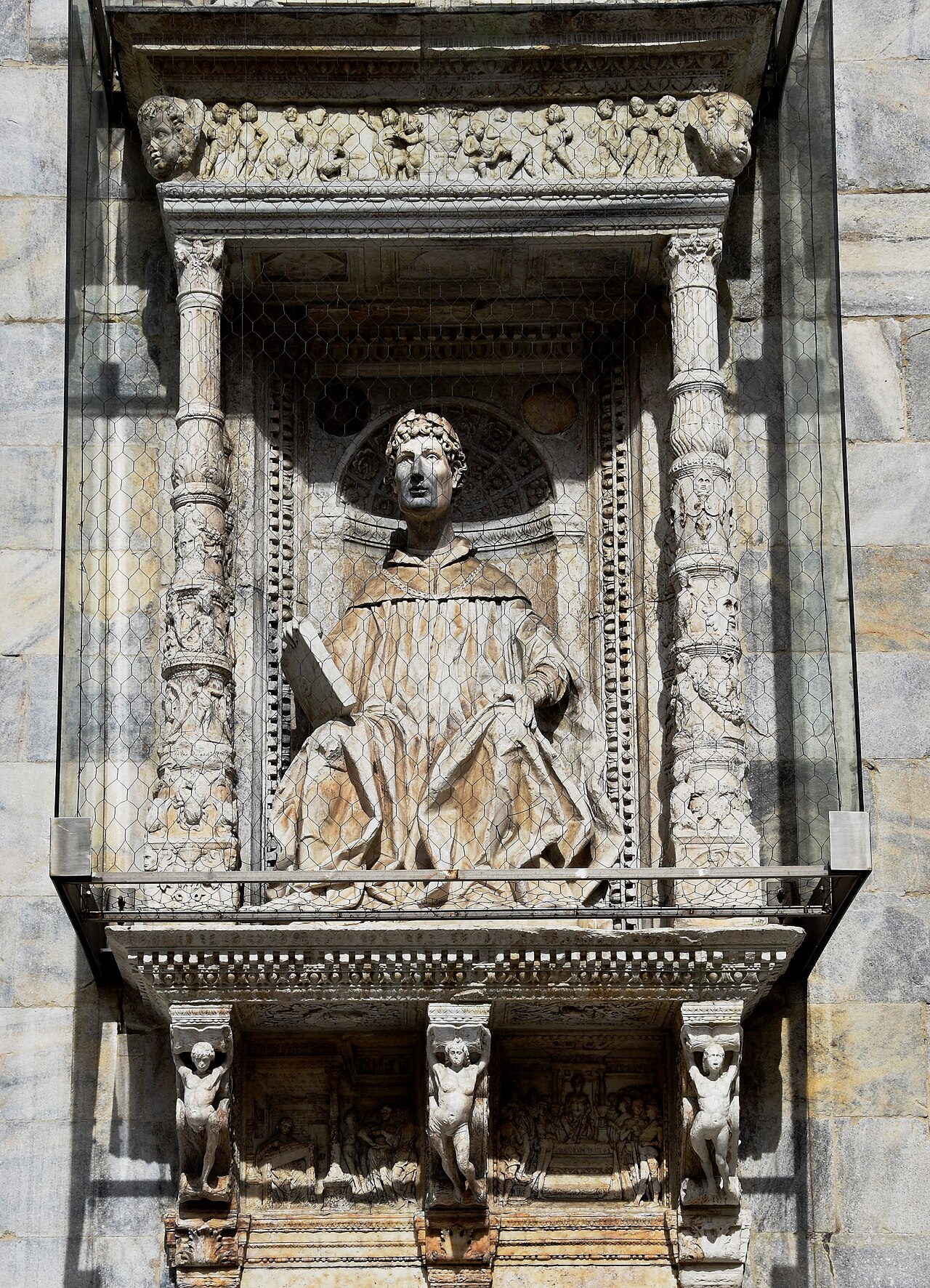

Who Pliny the Younger was
Imperial legate of Bithynia-Pontus, whose letter to Trajan around 112 is the earliest surviving pagan administrative account of dealing with Christians. Uncertain how to proceed, he described his procedure — executing the obstinate, releasing those who cursed Christ and worshipped the emperor’s image — and reported what he had learned under torture from two deaconesses: that the Christians met before dawn “to sing a hymn to Christ as to a god,” and bound themselves by oath not to theft, adultery, or breach of faith. Tertullian and later Eusebius seized on the exchange; it remains the state’s first written notice of the church as a problem of governance rather than a rumour.
Also listed in non-christian witnesses.
Common questions
When did Pliny live?
Pliny the Younger is dated c. 61 – c. 113 in the archive, which places Pliny in the Apostolic Fathers (AD 70–130). The dating is traditional and approximate; the archive marks it as uncertain rather than fixing a year the sources do not give.
What did Pliny write?
Pliny the Younger has 1 catalogued writing in the archive: Letter X.96 — the file on the Christians.
Which early sources mention Pliny?
Pliny the Younger is named in 2 primary-source passages catalogued here, drawn from Pliny the Younger and Tertullian of Carthage. Every passage is quoted from a named public-domain translation, earliest first.
Where was Pliny from?
The archive associates Pliny the Younger with Bithynia-Pontus.
Writings (1)
Letter X.96 — the file on the Christians
c. AD 112They affirmed the whole of their guilt was that they met on a stated day before it was light, and sang responsively a hymn to Christ as to a god… I therefore postponed the trials and hastened to consult you.Read the interlinear source text →
Primary-source mentions (2)
Every passage below is quoted from a named public-domain translation, earliest first.
Letters X.96 (to Trajan)
c. AD 112They were accustomed to meet on a fixed day before dawn and sing responsively a hymn to Christ as to a god, and to bind themselves by an oath, not for any crime, but to commit no theft, robbery, or adultery.Pliny the Younger · X.96 · source text
Apology 2 (his letter turned against the persecutors)
c. AD 197Plinius Secundus, when governing his province, having condemned certain Christians and driven some from their post, was still annoyed by their great numbers, and at last consulted Trajan the emperor what he was to do.Tertullian of Carthage · Apology 2 · source text
Connected in the archive
People
Events in this lifetime
- AD 44 · Persecution under Herod Agrippa I, AD 44
- AD 49 · The Council of Jerusalem, AD 49
- AD 57 · Paul writes Romans, AD 57
- AD 62 · James the Just stoned, AD 62
- AD 64 · The Great Fire and Nero’s persecution, AD 64
- AD 70 · The fall of Jerusalem, AD 70
- AD 95 · Domitian’s reprisals, AD 95
- AD 96 · Rome writes to Corinth: 1 Clement, AD 96
- AD 112 · Pliny writes Trajan, AD 112