The Apostolic Fathers · AD 70–130 · External witness
Emperor Trajan
d. AD 117 · Roman Emperor (98–117) · Rome
External witness
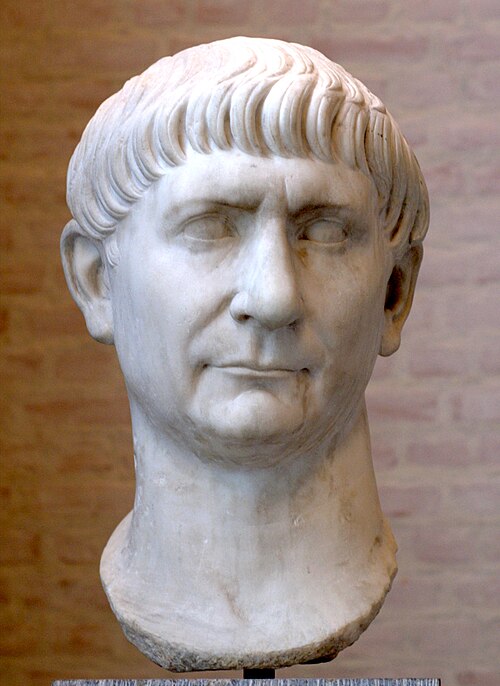
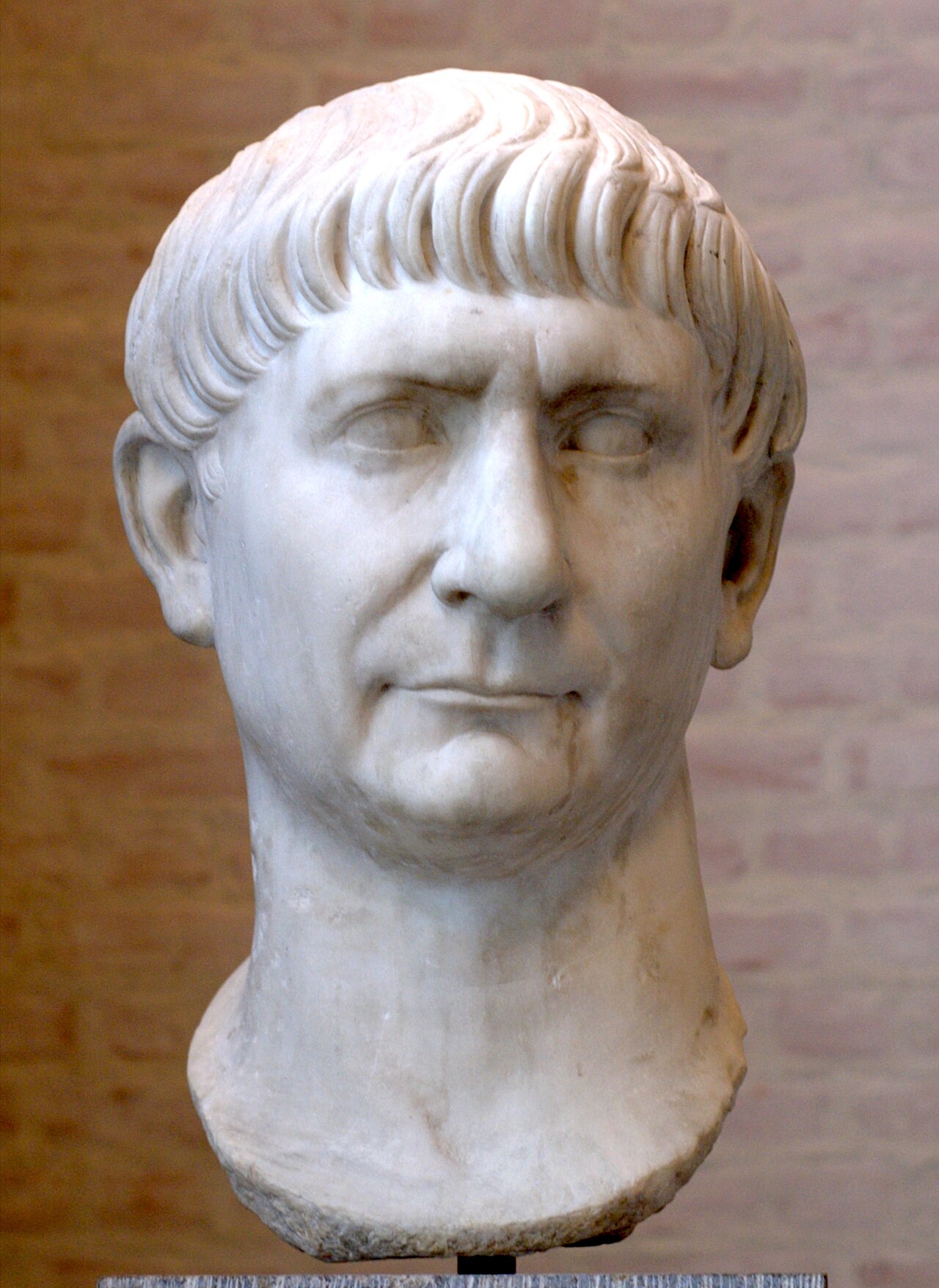

Who Emperor Trajan was
The soldier-emperor under whom Ignatius of Antioch and Symeon of Jerusalem were martyred, and whose rescript to Pliny set imperial policy toward Christians for a century: they were not to be sought out, anonymous accusations were to be ignored, but those duly convicted and obstinate were to be punished. Tertullian mocked the incoherence of the ruling — “what a decision, how inevitably entangled! He says they must not be sought out, as though innocent; and orders them to be punished, as though guilty.” Trajan’s policy of don’t-ask, punish-if-forced governed the church’s legal peril down to Decius.
Also listed in non-christian witnesses and roman emperors.
Common questions
When did Emperor Trajan die?
Emperor Trajan is dated d. AD 117 in the archive, which places Emperor Trajan in the Apostolic Fathers (AD 70–130).
What did Emperor Trajan write?
Emperor Trajan has 1 catalogued writing in the archive: Rescript to Pliny on the Christians.
Which early sources mention Emperor Trajan?
Emperor Trajan is named in 3 primary-source passages catalogued here, drawn from Emperor Trajan, Tertullian and Eusebius of Caesarea. Every passage is quoted from a named public-domain translation, earliest first.
Where was Emperor Trajan from?
The archive associates Emperor Trajan with Rome.
Writings (1)
Rescript to Pliny on the Christians
c. AD 112They are not to be hunted out; if they are denounced and convicted, they must be punished… anonymous informations ought not to be received in any prosecution: it is a very bad precedent, and unworthy of our age.Read the interlinear source text →
Primary-source mentions (3)
Every passage below is quoted from a named public-domain translation, earliest first.
Letters X.97 (his rescript: not to be hunted out)
c. AD 112They are not to be sought out; if they are denounced and proved guilty, they are to be punished.Emperor Trajan · Letters X.97 · source text
Apology 2
c. AD 200Trajan wrote back that this class of persons was not to be sought out, but if brought before him, was to be punished. O confused sentence! He says they must not be sought out, as being innocent; and yet commands them to be punished, as if guilty.Tertullian · 2 · source text
Ecclesiastical History III.33 (the rescript and its effect)
c. AD 325That the race of Christians should not be sought after, but when found should be punished.Eusebius of Caesarea · Ecclesiastical History III.33 · source text
Connected in the archive
People
Events in this lifetime
- AD 49 · The Council of Jerusalem, AD 49
- AD 57 · Paul writes Romans, AD 57
- AD 62 · James the Just stoned, AD 62
- AD 64 · The Great Fire and Nero’s persecution, AD 64
- AD 70 · The fall of Jerusalem, AD 70
- AD 95 · Domitian’s reprisals, AD 95
- AD 96 · Rome writes to Corinth: 1 Clement, AD 96
- AD 112 · Pliny writes Trajan, AD 112
- AD 117 · Symeon and Ignatius martyred, AD 117
Place
Places served
The one place the sources put Emperor Trajan.
- 1Rome