The Apostolic Fathers · AD 70–130
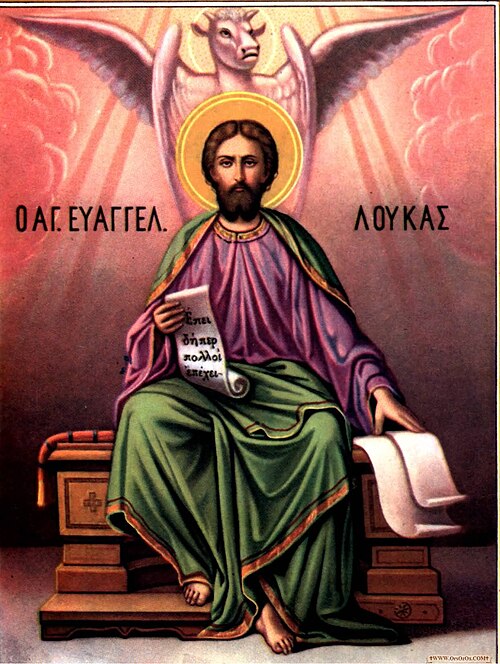
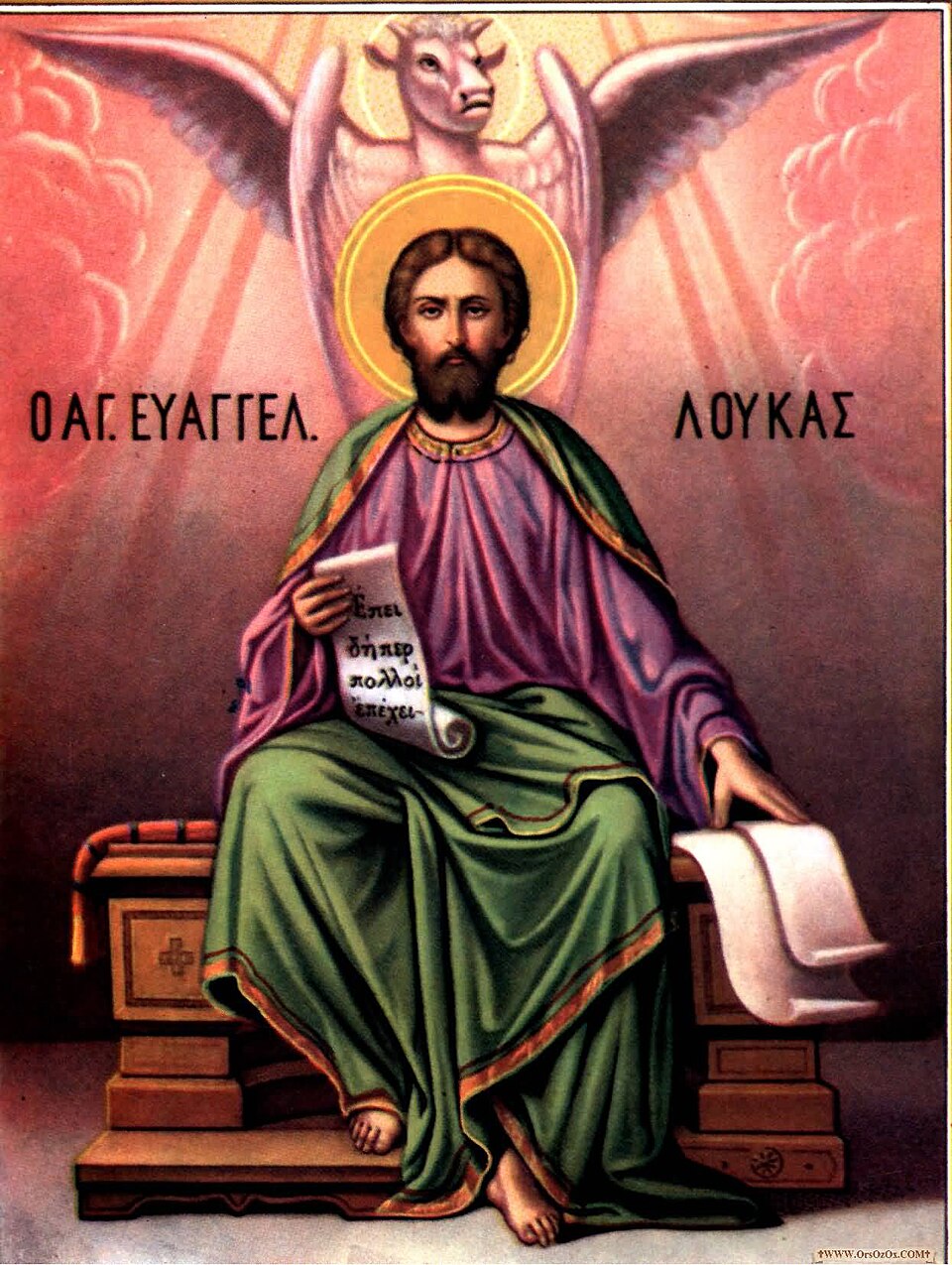
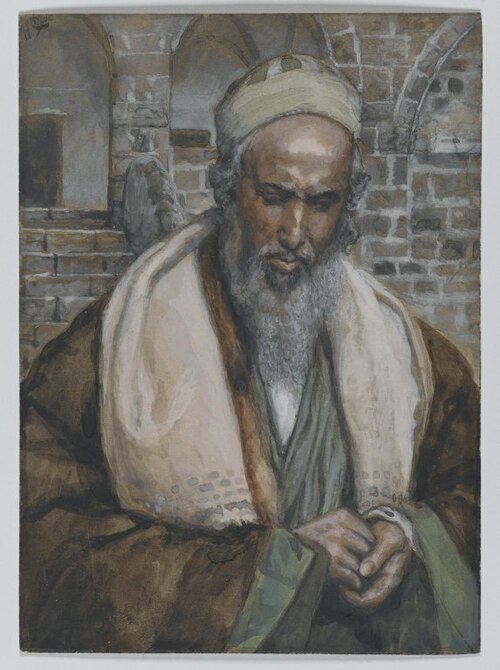
Luke the Evangelist
Also known as the Beloved Physician
c. 10 – c. 84 · Physician · Historian of the church · Antioch → Greece
The Apostolic Fathers

_-_James_Tissot.jpg)


.jpg)
Who Luke the Evangelist was
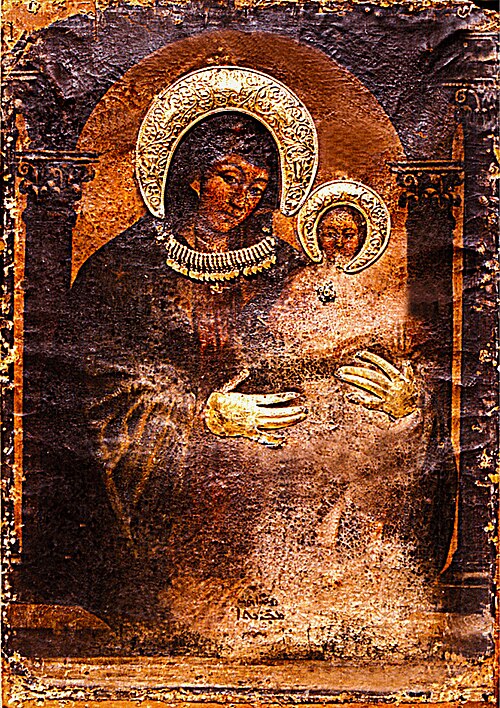
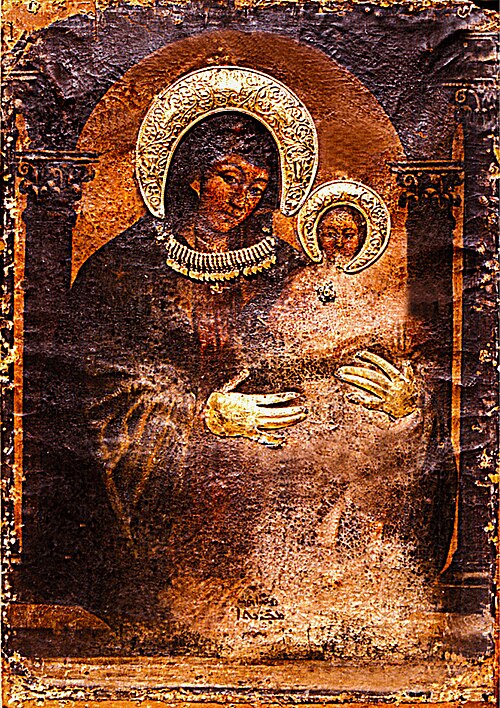
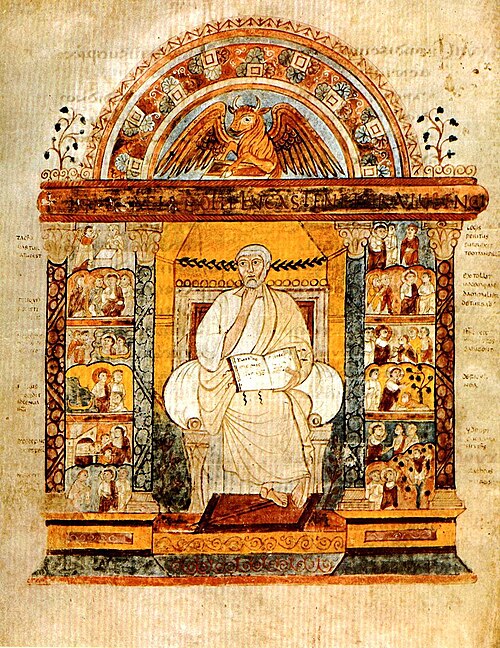
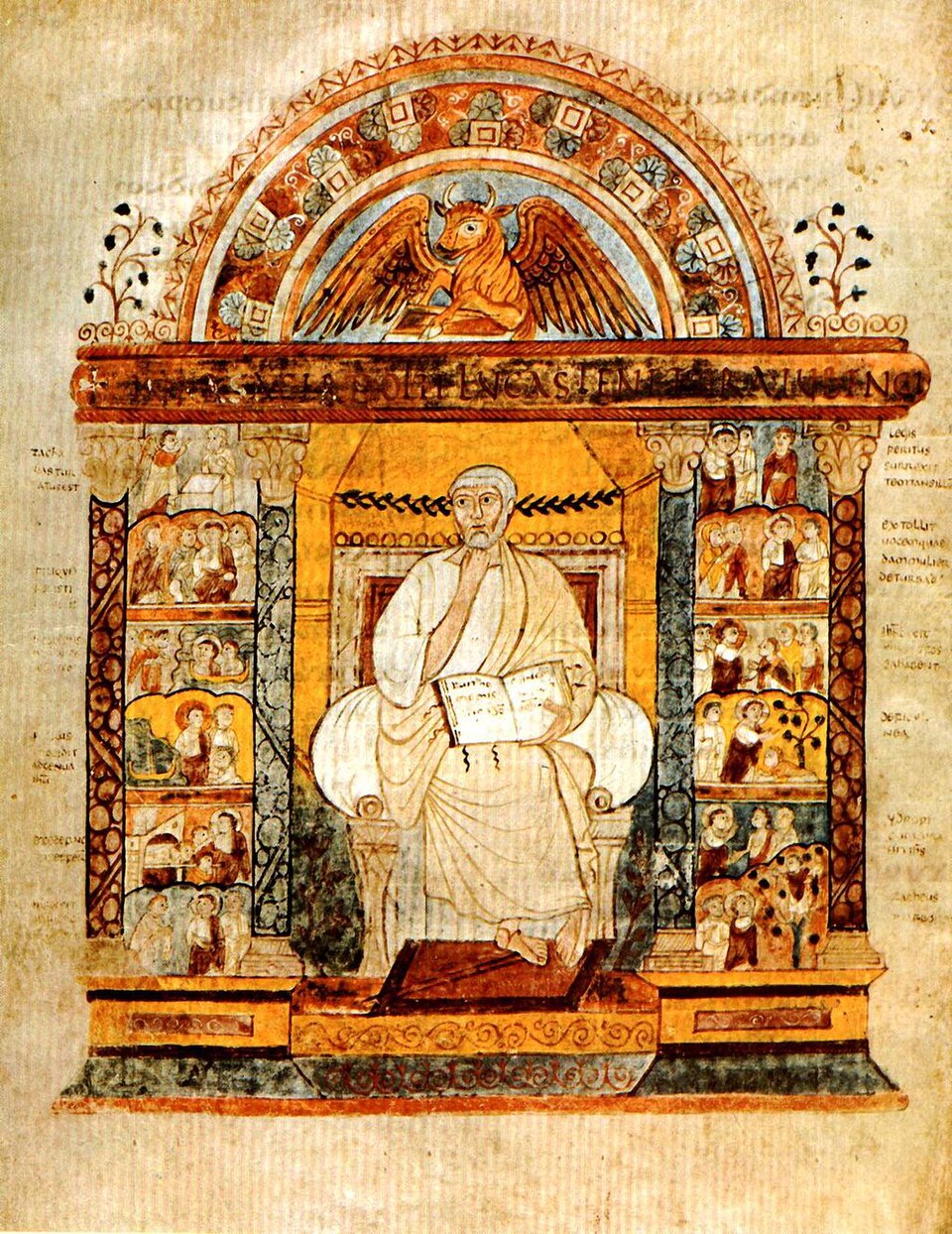
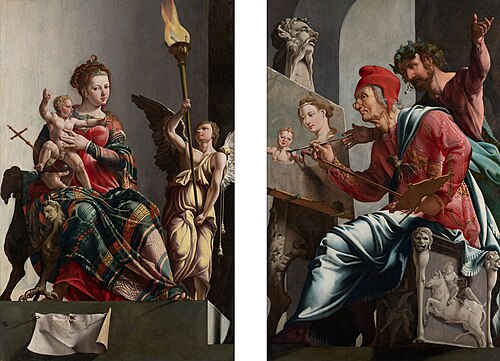
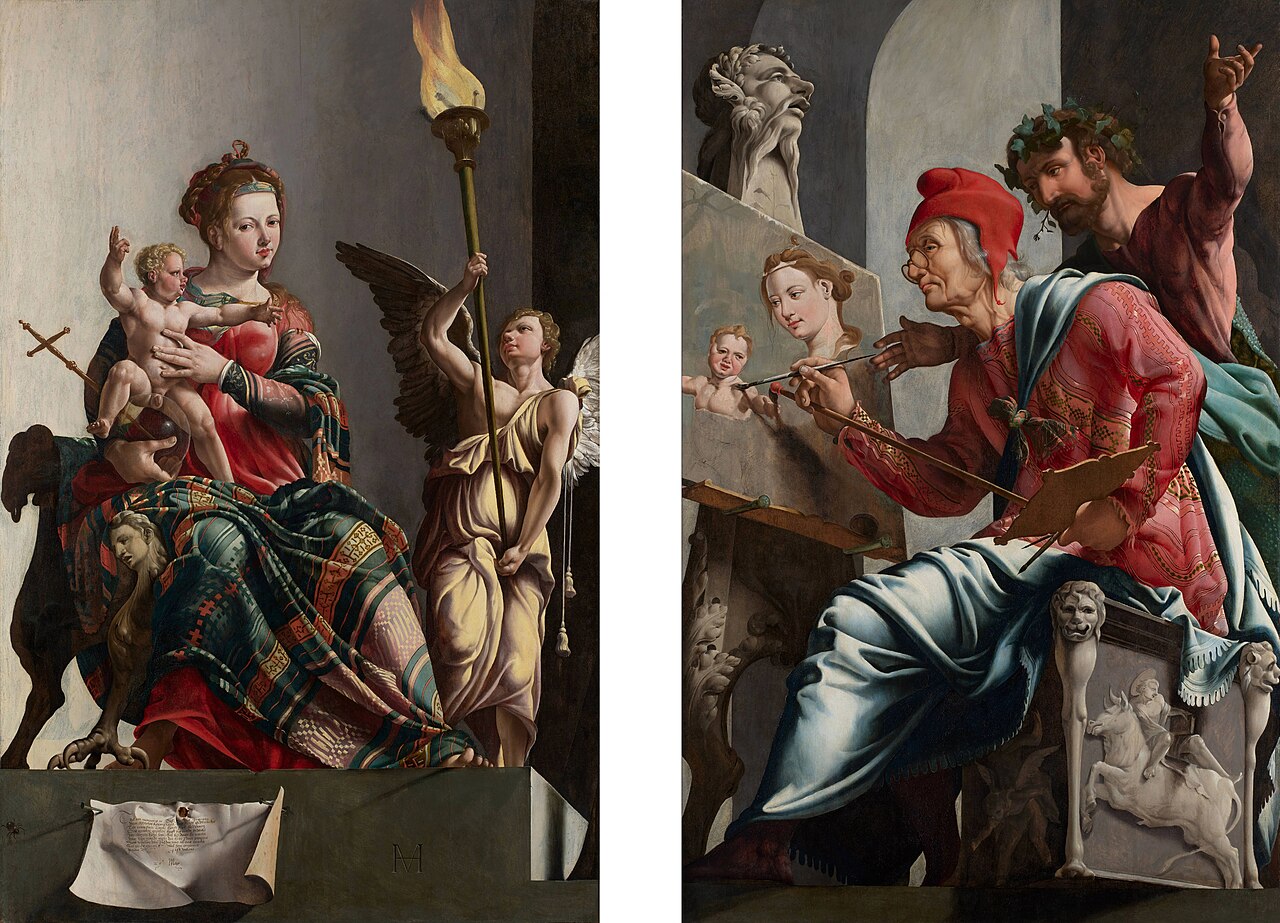
“Luke, the beloved physician” (Col 4:14) was by strong early tradition a Gentile of Antioch, the only non-Jewish author in the New Testament. He joined Paul at Troas — the point where Acts quietly shifts to “we” — sailed with him through shipwreck to Rome, and stayed when others left: “only Luke is with me,” Paul writes at the end. His two-volume work, the Gospel and Acts, is the largest single contribution to the New Testament and the church’s first written history, researched, as his elegant Greek preface declares, from eyewitnesses. Tradition says he died in Boeotia at a great age; a later legend made him also a painter of the Virgin’s portrait.
Common questions
When did Luke live?
Luke the Evangelist is dated c. 10 – c. 84 in the archive, which places Luke in the Apostolic Fathers (AD 70–130). The dating is traditional and approximate; the archive marks it as uncertain rather than fixing a year the sources do not give.
What did Luke write?
Luke the Evangelist has 2 catalogued writings in the archive: The Gospel according to Luke and The Acts of the Apostles.
Which early sources mention Luke?
Luke the Evangelist is named in 4 primary-source passages catalogued here, drawn from Paul, The Muratorian canonist and Irenaeus of Lyon. Every passage is quoted from a named public-domain translation, earliest first.
Where was Luke from?
The archive associates Luke the Evangelist with Antioch, Greece. The sources record more than one location, so the places are listed in the order the record moves through them.
Writings (2)
The Gospel according to Luke
c. 60–62 (trad. dating)For the Son of man is come to seek and to save that which was lost.Read the full text ↗
The Acts of the Apostles
c. 62 (trad.: ends with Paul alive at Rome)But ye shall receive power, after that the Holy Ghost is come upon you: and ye shall be witnesses unto me… unto the uttermost part of the earth.Read the full text ↗
Primary-source mentions (4)
Every passage below is quoted from a named public-domain translation, earliest first.
Muratorian Fragment
c. AD 170Luke, the well-known physician, after the ascension of Christ, when Paul had taken him with him as one zealous for the law, composed it in his own name, according to the general belief.The Muratorian canonist · Muratorian Fragment · source text
Against Heresies III.1.1
c. AD 180Luke also, the companion of Paul, recorded in a book the Gospel preached by him.Irenaeus of Lyon · Against Heresies III.1.1 · source text
Connected in the archive
Companion and chronicler of Paul; preserved the deeds of Peter, Stephen, James, and Barnabas
People
- Paul of Tarsus
- Simon Peter
- Stephen the Protomartyr
- Barnabas of Cyprus
- Aristarchus of Thessalonica
- Demas
- Eutychus of Troas
- Mnason of Cyprus
- Philip the Evangelist
Events in this lifetime
- AD 30 · Crucifixion, Resurrection and Pentecost, AD 30–33
- AD 44 · Persecution under Herod Agrippa I, AD 44
- AD 49 · The Council of Jerusalem, AD 49
- AD 57 · Paul writes Romans, AD 57
- AD 62 · James the Just stoned, AD 62
- AD 64 · The Great Fire and Nero’s persecution, AD 64
- AD 70 · The fall of Jerusalem, AD 70
Place
Places served
The 10 places the sources put Luke, in the order the record moves through them. This is what the sources attest, not a reconstructed route.
- 1AntiochOf Antioch, by the tradition Eusebius reportsEusebius, History III.4
- 2TroasWhere the account turns to “we”Acts 16:8–10
- 3PhilippiStayed on when Paul went southActs 16:12–40
- 4MiletusWith the party that met the Ephesian eldersActs 20:15–17
- 5JerusalemWent up with Paul and the collectionActs 21:17
- 6Caesarea MaritimaThrough the two years of Paul’s custodyActs 24:27; 27:1
- 7MaltaShipwrecked with him on the islandActs 28:1
- 8PuteoliLanded in ItalyActs 28:13
- 9RomeWith Paul in his own hired houseActs 28:16; Colossians 4:14
- 10GreeceNamed in the record’s own place fieldTraditional; see the profile